A dental emergency happens without warning; a cracked tooth may cause sharp pain, and a knocked-out tooth may bleed heavily. Since regular offices keep set hours, you may need help on a weekend or at night. This is how to locate reliable emergency dental care and manage injuries until you reach a dentist:
Contact Specialized Clinics
Some offices treat only scheduled patients, but others reserve time for emergency dental care. When you search online, use terms like “emergency dentist” or “same-day dental care” with your city name. Look for clinics with extended evening and weekend hours. Clinics that offer emergency services typically say so on their homepage.
If you already have a dentist, call their office first. Many practices list an after-hours phone number on their voicemail. Keep a pen nearby to write down the number. The message may direct you to an on-call dentist, or it may name a partner clinic nearby.
Check each clinic’s reviews and credentials before your visit. State dental boards list licensed dentists online, and you can verify a license in a few minutes. Patients who describe wait times and pain management in reviews give you useful details. Note the address and parking information before you leave home.
Ask About Emergency Visits
Before you drive anywhere, call the clinic and describe your symptoms. Staff members use this information to decide how soon to see you. Some clinics accept walk-ins, but most prefer a phone call first. Ask these questions during the call:
- Does the clinic offer same-day emergency appointments?
- Which insurance plans does the office accept for urgent visits?
- What is the estimated cost of an exam and X-ray?
- How long is the current wait time?
- Do you need to bring records or a list of medications?
Control Bleeding
If your mouth bleeds after an injury, rinse gently with cool water. Fold a piece of clean gauze and press it firmly on the area for 15 minutes. A damp black tea bag works as a substitute; the tannins in tea help blood to form a clot.
Avoid spitting, rinsing hard, or drinking through a straw. These actions may loosen a clot that has started to form. A cold compress on the cheek reduces swelling, and it may ease pain. If bleeding continues after 15 to 20 minutes of pressure, go to a hospital emergency room.
Try to Preserve Teeth
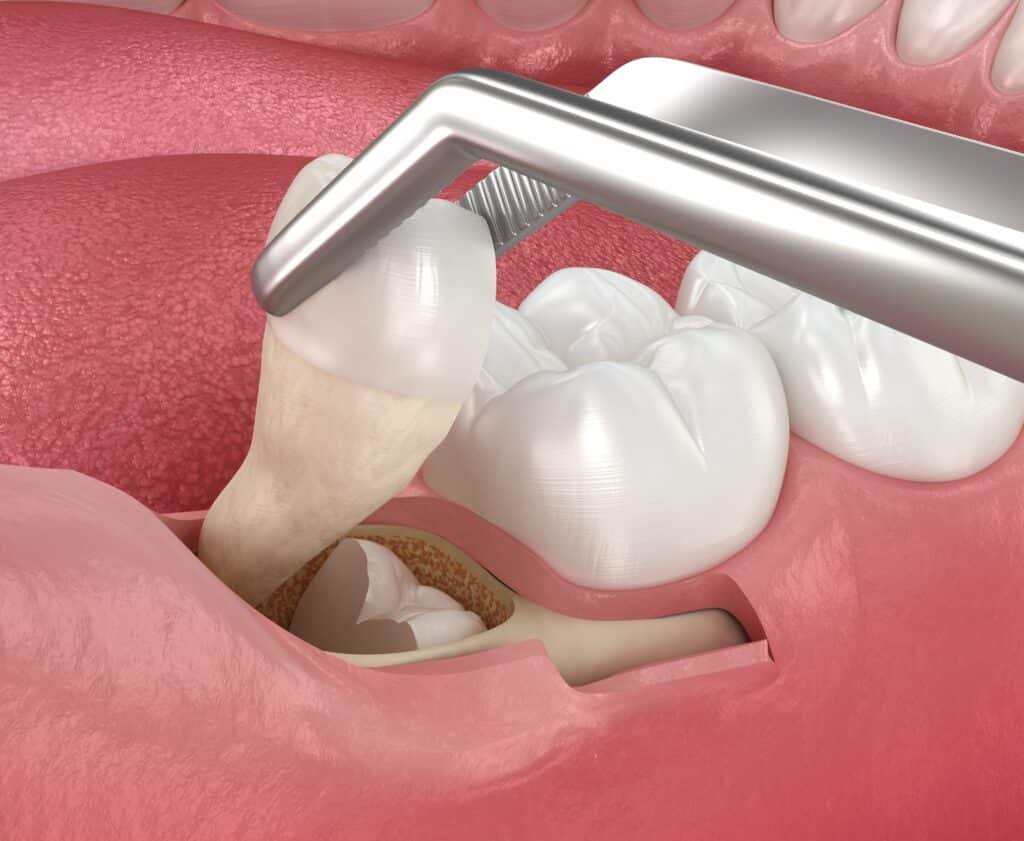
A knocked-out adult tooth has an ideal chance of reattachment within one hour, so act quickly. Pick up the tooth by the crown, the white top part, not the root. If the tooth is dirty, rinse it briefly with milk or water. Do not scrub the tooth or remove any attached tissue, and take these steps:
- Place an adult tooth back in its socket, and bite gently on gauze.
- Store the tooth in a small cup of milk if it won’t stay in place.
- Hold it between your cheek and gums if no milk is available.
- Use a tooth preservation kit from a pharmacy if you have one.
- Do not put a baby tooth back in the socket.
Young children may swallow a tooth held in the mouth, so use milk for them instead. Bring the tooth with you to the clinic. When you arrive, tell the staff how long the tooth has been out of the mouth.
Find Emergency Dental Care
Before an emergency happens, save the number of a nearby emergency clinic in your phone. Keep a small dental first aid kit at home. Include gauze, a cold pack, a small lidded container, and an over-the-counter pain reliever. Your dentist may share an after-hours plan, so ask about it at your next checkup.