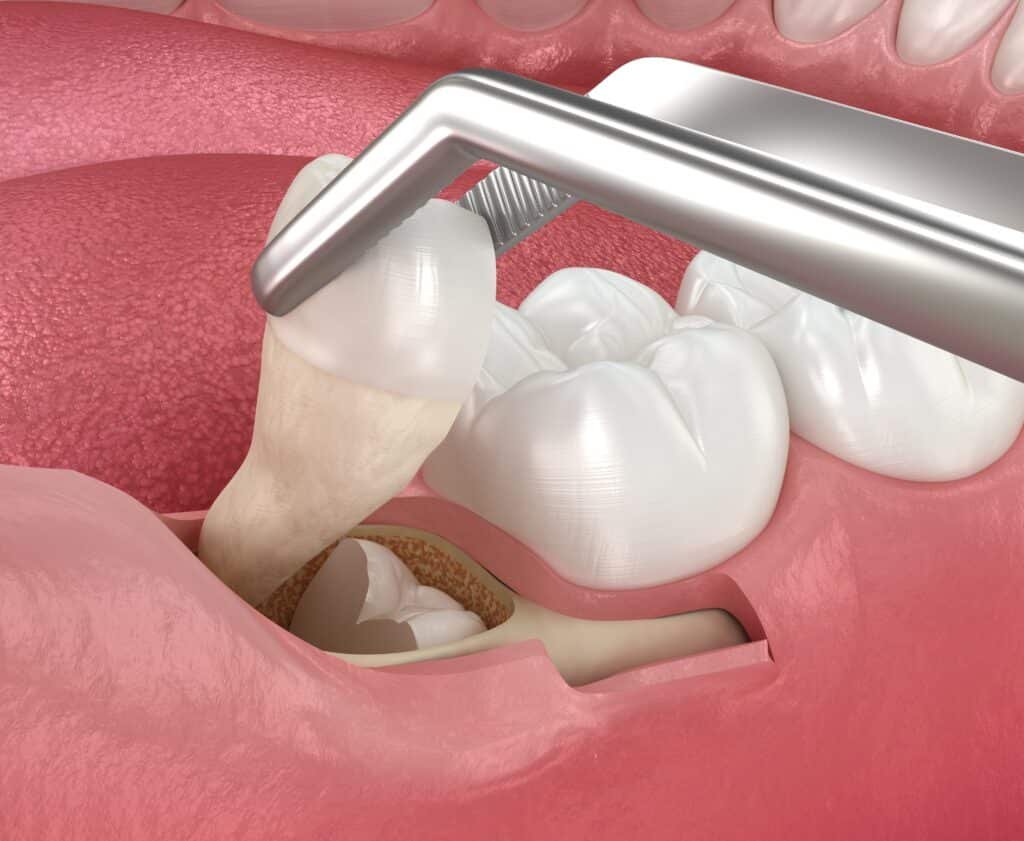
Wisdom teeth are the last molars to grow in, and they typically appear between in early adulthood. When your jaw lacks room for them, these teeth sometimes come in at odd angles. Some people never notice a problem, but others feel discomfort or spot changes early. Here are some of the warning signs to help you decide when to talk with your dentist:
Persistent Pain
Pain near the back of your mouth is an early sign of wisdom teeth issues. A dull ache may come and go, or it might settle in and stay for days. When the tooth pushes against nearby teeth, the pressure often spreads along your jaw.
Some patients feel throbbing that reaches the ear or temple, and this pain can flare when you chew. A wisdom tooth that stays trapped under the gum, known as an impacted tooth, tends to hurt more over time. Track how often the ache returns so you have clear details for your dentist.
Crowded Teeth
Wisdom teeth push forward as they grow, and this pressure crowds your other teeth. When this happens, you might see teeth shifting or overlapping that once sat straight. Front teeth sometimes feel tight, especially if you wore braces in the past. Here are changes that may point to crowding:
- Teeth that suddenly feel snug against each other
- Gaps or overlaps in your smile
- Difficulty flossing between back teeth
Crowding doesn’t fix itself, so early attention matters. Your dentist can take X-rays to see how the wisdom teeth sit below the surface. Those images guide the decision about whether removal makes sense.
Swollen Gums
Swelling around a wisdom tooth is worth watching. The gum tissue may look red or puffy, and it might feel tender when you brush. When a tooth breaks through only partway, food and bacteria collect under the gum flap.
That trapped debris often leads to irritation, and the area can bleed during flossing. If you notice swelling that lasts more than a few days, book a check-up. A quick exam shows whether the tooth is erupting cleanly or causing trouble.
Swollen gums near a wisdom tooth can also make it difficult to chew or bite down comfortably, which may interfere with your daily meals or snacks. This discomfort is often temporary but should not be ignored. If the swelling continues or you experience sharp pain, it could indicate an infection requiring prompt attention from your dentist.
Bad Breath
Persistent bad breath sometimes points to a wisdom tooth problem. Bacteria gather in tight spaces around a partly erupted tooth, and they release an unpleasant odor. You might also notice a sour taste that lingers after brushing. Watch for these related signs alongside bad breath:
- Taste that is unusual
- Gums that feel sore when touched
- Trouble cleaning the area with a toothbrush
Get Your Wisdom Teeth Removed
Pain, swelling, bad breath, and crowding are the main signs to watch. One symptom alone may not mean much, but several together point toward a closer look. A dentist reviews your X-rays and explains what each finding means in plain terms. Bring your notes to the appointment so the conversation stays focused. Book your visit today, and let your dentist check whether your wisdom teeth need removal.