
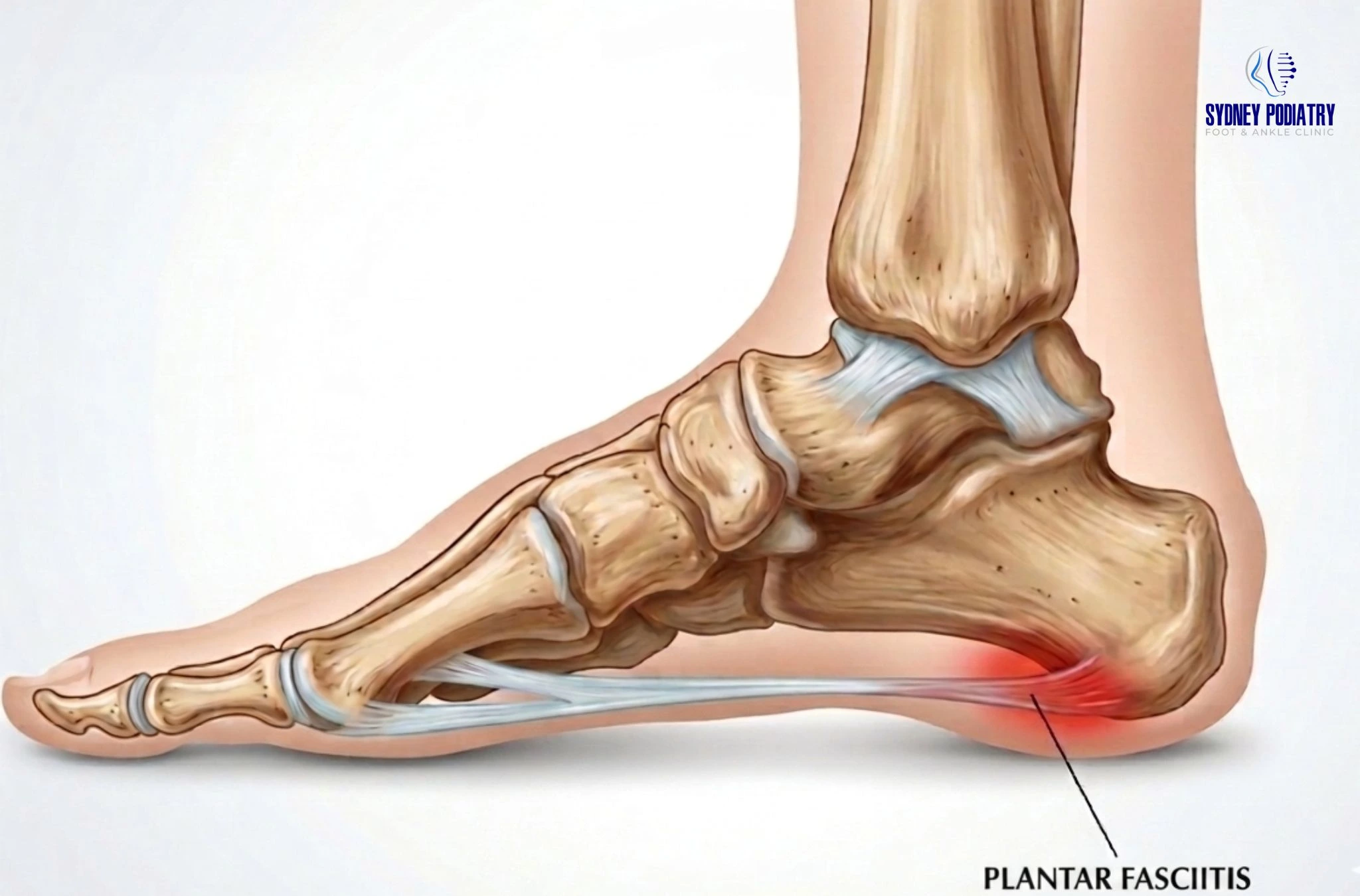
Heel pain is a common foot complaint in adults, and plantar fasciitis is often identified as its source. It may develop in runners and athletes, as well as in individuals who spend long hours on their feet at work. Understanding how plantar fasciitis develops and which symptoms are commonly associated with it can help individuals make informed decisions about their foot health.
What Is Plantar Fasciitis?
The plantar fascia is a strong band of connective tissue that runs along the sole of the foot, connecting the heel bone to the base of the toes. This tissue supports the arch, and it helps absorb the forces placed on the foot during movement. Plantar fasciitis refers to irritation and inflammation of this tissue.
The condition typically develops when the plantar fascia is subjected to repeated strain over time, and this can cause small tears and irritation in the tissue. Occupations that involve prolonged standing are common contributors. Several other factors increase the likelihood of developing it, including:
- Repetitive high-impact activities
- Flat feet, high arches, or an atypical walking pattern
- Structural deformities like heel spurs
Excess body weight, which adds pressure to the feet, and footwear with thin soles or minimal arch support may also contribute to this condition’s development.
What Are the Symptoms?
The most commonly reported symptom is pain in the bottom of the heel. Some individuals describe the sensation as sharp or stabbing; others can experience a dull, persistent ache that extends along the arch. The timing of the pain is a distinctive feature of the condition. Discomfort is often most noticeable with the first steps after waking or after a long period of sitting. It may ease as the foot loosens with movement, then return after a period of inactivity.
Other signs can include stiffness along the bottom of the foot, as well as mild swelling near the heel. A professional evaluation may help identify the true source of your discomfort. A provider will typically review your medical history and examine areas of tenderness. They can recommend imaging to rule out other causes, and this helps make sure you receive the right care.
How Is It Treated?
Treatment generally begins with conservative, nonsurgical approaches. The appropriate plan depends on the severity of symptoms, along with a patient’s activity level and overall health. Common options vary, and they may include:
- Rest and Activity Modification: Reducing high-impact activities can give the tissue an opportunity to recover.
- Footwear and Orthotics: Cushioned shoes with arch support, along with orthotic inserts, may help distribute pressure more evenly.
- Night Splints: These devices hold the foot in a gently stretched position during sleep, which can lessen morning stiffness.
- Exercise Guidance: A physical therapist may provide a structured program to strengthen and stretch the foot and lower leg.
- Medications: A provider can recommend over-the-counter anti-inflammatory medications to help manage discomfort.
If symptoms persist despite conservative care, a provider may discuss other options, such as corticosteroid injections, extracorporeal shock wave therapy, or surgery. Results vary from person to person.
Seek Care From a Specialist
Heel pain that limits daily activities, or if it does not improve with time, may warrant a professional evaluation. Podiatrists will assess the structure and mechanics of the foot, and they can develop a treatment plan suited to individual needs. An earlier evaluation may allow symptoms to be addressed before they begin to restrict mobility.
- Understanding the Causes and Symptoms of Plantar Fasciitis
- Why International Buyers Are Turning to a Buyer’s Brokerage in Panama
- How EMDR Therapy Facilitates Healing From Past Experiences
- Exploring the Benefits of IV Therapy for Enhanced Hydration and Wellness
- How To Get a Medical Marijuana Card and What To Expect During the Process