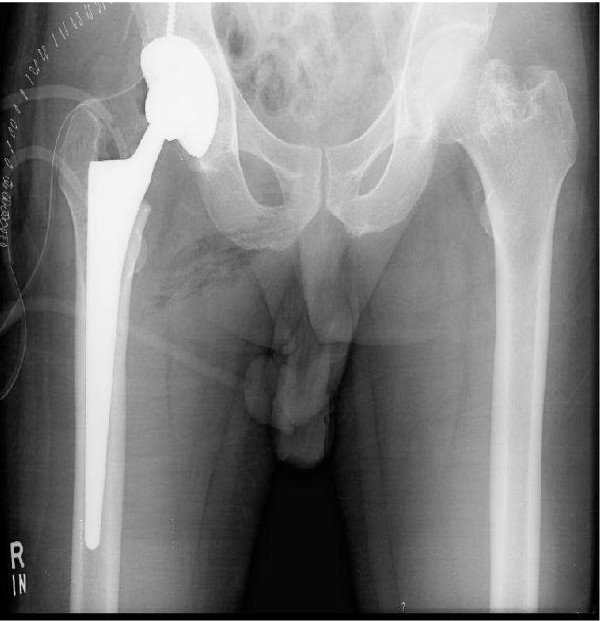
Hip injections deliver medication into or around the hip joint to help manage pain and inflammation associated with certain conditions. Treatment options may include corticosteroids or other injectable therapies, depending on the diagnosis and individual health needs. Because hip pain has several possible causes, providers sometimes use diagnostic injections to determine whether discomfort originates within the joint. Here are a few benefits of hip injections for arthritis managment:
Reducing Pain and Inflammation
Hip injections may help manage joint pain and inflammation associated with arthritis and other hip conditions. Some injections combine a local anesthetic for temporary pain relief with a corticosteroid to reduce inflammation over time. These medications target specific areas affected by swelling and discomfort. Because treatment responses vary, patients sometimes experience temporary soreness before noticing changes in discomfort.
Osteoarthritis involves gradual cartilage deterioration, which may cause joint pain, stiffness, and reduced mobility. Rheumatoid arthritis develops through an autoimmune response that causes inflammation within the joint lining. Depending on the diagnosis, healthcare providers may recommend injections to manage symptoms alongside other treatment approaches.
Confirming the Pain Source
Hip injections sometimes serve a diagnostic purpose by helping providers determine whether discomfort originates within the hip joint. A local anesthetic temporarily numbs the area, allowing patients and providers to evaluate changes in pain. Because discomfort may also originate from the spine or surrounding tissues, injection responses provide additional information during diagnosis.
Image guidance helps providers position the injection accurately, sometimes using contrast dye to confirm placement. Patients may be asked to monitor symptoms following the procedure and report changes during follow-up appointments. Common steps in diagnostic evaluation include:
- Identifying the injection site
- Administering a local anesthetic
- Monitoring changes in pain
- Recording symptom patterns
- Reviewing treatment responses
Promoting Long-Term Mobility
Hip injections help reduce inflammation and discomfort associated with certain joint conditions. Corticosteroid injections target inflammation, although the duration of symptom relief varies between patients. Changes in pain levels sometimes affect the ability to perform everyday activities.
Physical therapy may complement injection treatments by addressing muscle strength, joint flexibility, and movement patterns. Providers recommend exercises based on the underlying condition, individual mobility limitations, and treatment responses. Because recovery needs differ, activity recommendations depend on medical evaluations and post-procedure guidance.
Other injectable treatments, including platelet-rich plasma and stem cell therapies, are sometimes discussed for certain hip conditions. However, evidence supporting these treatments remains limited, and their ability to repair damaged cartilage has not been established. Healthcare providers review potential benefits, risks, and available alternatives when discussing long-term hip pain management.
Ask About Hip Injections Today
Hip injections provide a targeted approach to managing pain and inflammation associated with arthritis and other hip conditions. These procedures may also help healthcare providers determine whether discomfort originates within the hip joint. Depending on the diagnosis, treatment options include corticosteroid injections, physical therapy, and other pain management approaches. Because treatment responses vary, providers evaluate medical history, symptoms, and joint function before recommending appropriate procedures. Schedule a hip injection consultation today to discuss persistent discomfort and explore available treatment options.
- Understanding When To Consult a Back Pain Doctor for Your Symptoms
- How to Choose the Right Primary Care Provider for Your Needs
- Exploring Effective Snoring Treatments for Better Sleep Quality
- Benefits of Hip Injections for Arthritis Management
- Understanding the Benefits of Comprehensive Pediatric Care