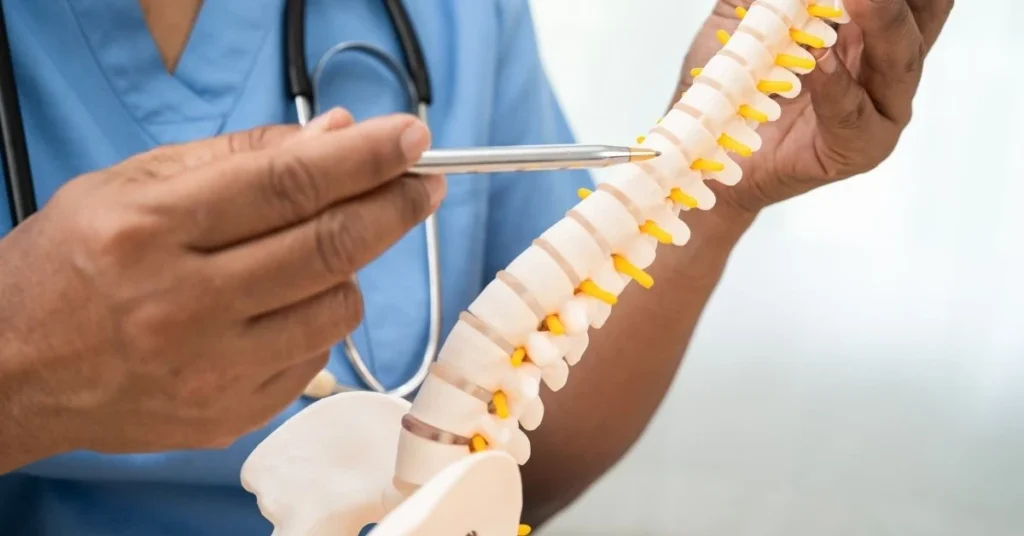

A herniated disc may cause pain, numbness, weakness, and limited mobility, affecting a person’s ability to complete everyday activities. Managing the condition involves physical therapy, medication, or other treatments based on the severity of symptoms. Here is what to know about navigating life with a herniated disc:
Which Symptoms May Occur?
A herniated disc can produce a range of symptoms, and knowing them helps you describe your condition to a specialist. The following signs commonly appear, though they vary from person to person:
- Localized pain: You may experience a dull ache or sharp pain near the affected disc, and the discomfort often intensifies with specific movements.
- Radiating pain: Pain travels along a nerve path, so you notice it moving from your lower back into a leg or from your neck into an arm.
- Numbness or tingling: A pinched nerve can create a pins-and-needles sensation.
- Muscle weakness: Affected nerves may weaken nearby muscles, which sometimes makes lifting, gripping, or walking harder.
How Can Activities Continue?
Daily routines can become harder with a herniated disc, but adjustments often make movement more manageable. Good posture reduces strain on the spine, so sitting with support and standing tall throughout the day can help. When you lift objects, bend at the knees and keep the load close to your body; this technique lowers pressure on the affected disc. Frequent breaks matter too. If you sit for long stretches, stand and move every few minutes to keep the area from stiffening.
Sleep quality also affects how you feel during the day. A supportive mattress and a pillow that keeps your spine aligned may ease nighttime discomfort, though the right setup depends on your preferred sleeping position. Gentle stretching before bed sometimes loosens tight muscles.
Which Treatments Are Available?
Physical therapy strengthens the muscles that support your spine, and a therapist can design exercises tailored to your condition. Over-the-counter or prescribed medications may reduce pain and inflammation, though a provider guides the right choice for you. Targeted injections, such as epidural steroid injections, deliver medication near the affected nerve, and they offer temporary relief.
Minimally invasive procedures are another approach when conservative care falls short. These techniques use small incisions and specialized tools, so recovery times are often shorter than with traditional surgery. A specialist evaluates your imaging, symptoms, and history before recommending a specific approach, and this personalized review helps match the treatment to your needs.
How Does One Support Recovery?
Recovery from a herniated disc extends beyond initial treatment, and consistent habits help you maintain progress. The following practices can support long-term spine health:
- Regular movement: Gentle and ongoing exercise keeps muscles strong and joints flexible.
- Core strengthening: A stable core supports your spine, so exercises that target these muscles can reduce future strain.
- Weight management: Extra weight adds pressure to the spine, and maintaining a healthy range eases that load.
- Ergonomic adjustments: Well-designed workstations and proper chair height reduce daily stress on your back.
- Follow-up care: Scheduled check-ins let your provider track progress, and they allow timely changes to your plan.
Make sure you communicate any new or returning symptoms to your provider because early attention supports better outcomes.
Schedule Your Herniated Disc Appointment
A herniated disc can affect how you move, work, and rest. Managing the condition requires a comprehensive approach that prioritizes accurate diagnosis, targeted treatments, and consistent follow-up care. Key strategies include adhering to prescribed physical therapy exercises and making ergonomic adjustments to reduce strain. Contact a qualified pain management specialist near you to schedule your appointment for a herniated disc today.