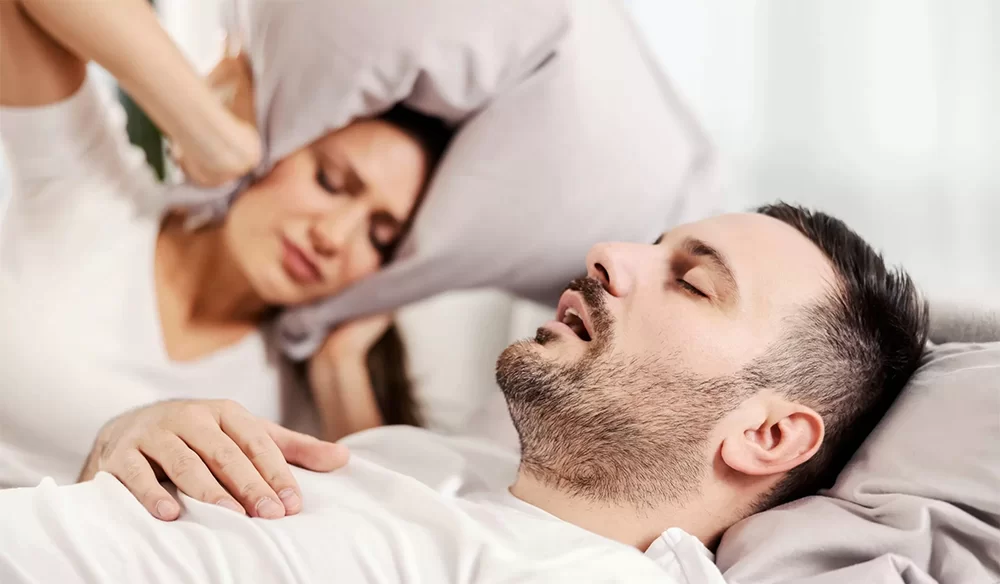
Snoring affects many adults and their bed partners; some people snore lightly, but others snore loudly every night. When soft tissue in the throat relaxes during sleep, it narrows the airway and vibrates. Here is more information on snoring treatment methods and the steps involved in each one:
Surgical Tonsillectomy
If your tonsils are enlarged, they may block airflow while you sleep. A tonsillectomy removes this tissue. A surgeon performs this snoring treatment under general anesthesia, and most patients go home the same day.
Recovery typically takes a few weeks, and throat pain is normal during that time. Since surgery carries risks such as bleeding, your doctor will review your health history first. This surgery and adenoidectomy are typically used on children who snore. Ask your provider about pain control and diet changes before the procedure.
Customized Oral Appliance
Since a dentist builds it from scans of your teeth, this appliance matches your bite. It looks and fits much like a mouth guard. You wear it only during sleep, and you remove it each morning. The fitting process usually follows these steps:
- An exam of your teeth, jaw, and gums
- A digital scan or mold of your bite
- A fitting visit to check comfort and position
- A follow-up visit for small adjustments
The device shifts your lower jaw slightly forward, and this shift opens space behind the tongue. Some people notice jaw soreness when they first start wearing it. Regular dental checkups track any changes in your bite. Bring the appliance to each visit so your dentist can check the fit.
Continuous Positive Airway Pressure
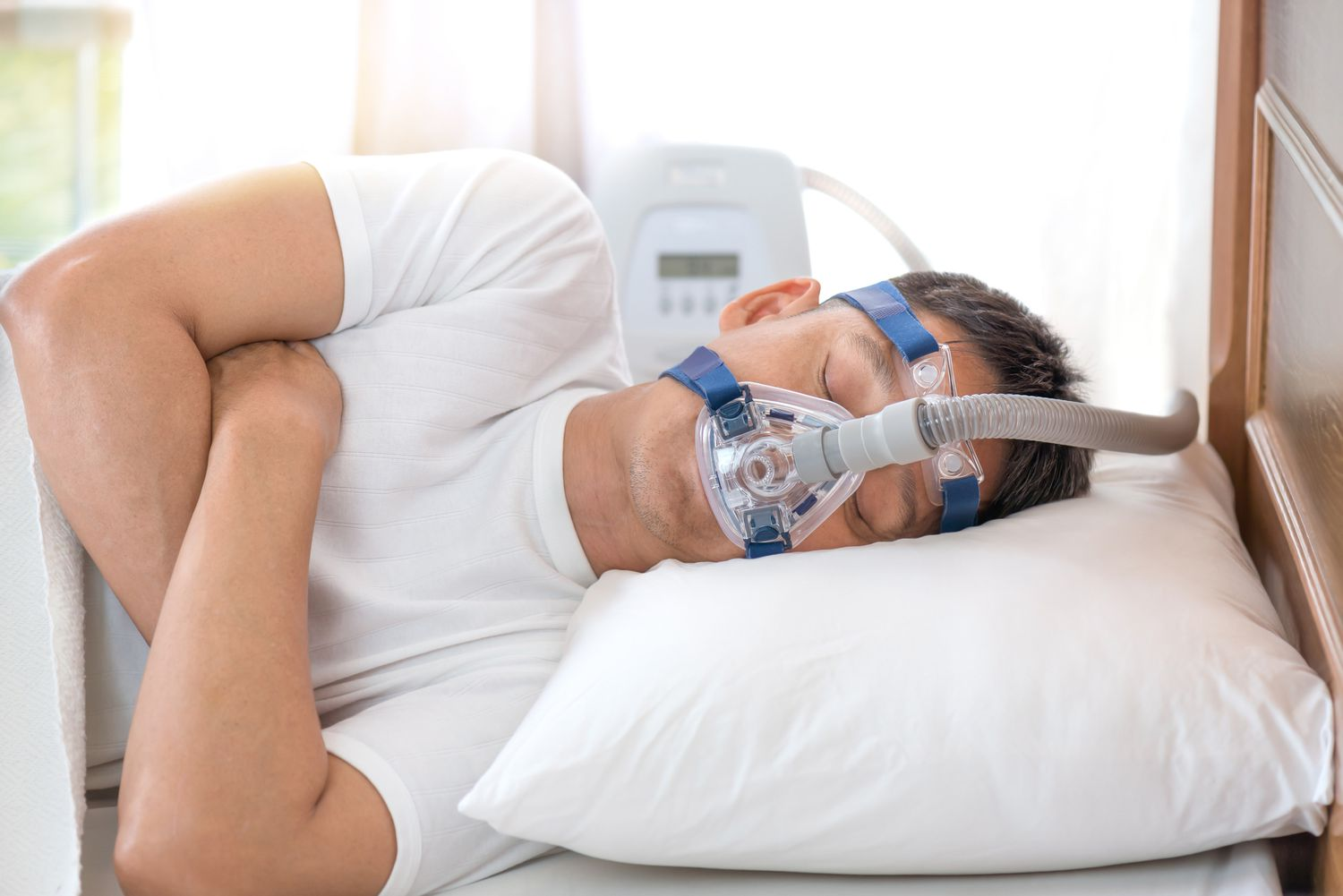
A continuous positive airway pressure (CPAP) machine delivers steady air pressure through a mask. For relief, this pressure holds your airway open while you sleep. Doctors may prescribe CPAP for obstructive sleep apnea, but it also treats some cases of heavy snoring.
You wear the mask over your nose or mouth, and a hose links it to the machine. Masks come in several sizes and styles. Since it measures your breathing patterns overnight, a sleep study typically comes first.
While some users adjust within days, others need several weeks to feel comfortable. Dry mouth and nasal congestion may occur, but a humidifier attachment may help. Regular cleaning keeps the equipment hygienic. Replace filters and mask cushions on the manufacturer’s schedule.
Soft Palate Radiofrequency Ablation
Radiofrequency ablation applies controlled heat to the soft palate. As the treated tissue heals, it stiffens and vibrates less during sleep. The treatment targets snoring from the soft palate only. A provider numbs the area first, and the procedure is typically quick. Keep these details in mind before your appointment:
- Mild throat soreness often lasts a few days.
- Some patients need more than one session.
- Soft foods and cool drinks may ease early healing.
Book a Snoring Treatment Consultation
When you book a consultation, a provider reviews your symptoms, sleep habits, and health history. Bring a list of your medications, and ask your partner to describe your snoring. Each plan reflects your anatomy and personal preferences. We offer flexible scheduling so you can fit the appointment into a busy week.
- Understanding When To Consult a Back Pain Doctor for Your Symptoms
- How to Choose the Right Primary Care Provider for Your Needs
- Exploring Effective Snoring Treatments for Better Sleep Quality
- Benefits of Hip Injections for Arthritis Management
- Understanding the Benefits of Comprehensive Pediatric Care