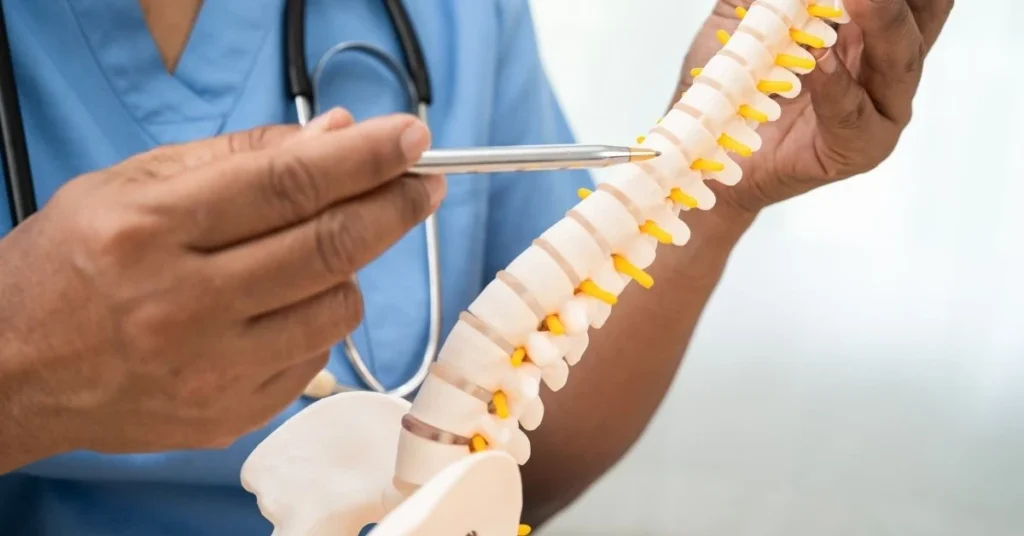

Orthopedic surgeons treat injuries and conditions that affect bones, joints, muscles, and connective tissue. They complete years of medical school and residency, and many pursue fellowships in a subspecialty. Since medicine changes quickly, these doctors keep studying long after their formal training ends. Here is more information about the role of continuing education in this field:
Refining Minimally Invasive Techniques
Minimally invasive surgery uses small incisions instead of large open cuts. An orthopedic surgeon can practice these methods through workshops, and they review recorded procedures with peers. When a technique evolves, doctors update their approach to match current standards.
Arthroscopy is one common example of a minimally invasive procedure. Since these methods require steady precision, ongoing training helps surgeons keep their movements sharp. Surgeons guide a small camera into a joint, and they operate using narrow instruments.
Continuing education courses may break up these skills into focused units, and a single session might cover:
- Instrument handling and positioning
- Camera navigation inside the joint
- Suture and closure methods
Maintaining Board Certification
Board certification signals that a surgeon meets defined professional standards. The American Board of Orthopaedic Surgery sets these standards, and it requires periodic recertification. When certification expires, surgeons complete continuing medical education credits to stay current. A surgeon might attend a conference, and they might also finish an online module. When a doctor logs enough approved hours, they satisfy the reporting requirements for their cycle.
Learning New Technologies
Technology in orthopedic surgery shifts often. Robotic-assisted systems now guide certain joint replacements, and 3D imaging helps surgeons plan complex cases. Since these tools demand specific skills, surgeons train before they use them in the operating room.
Surgeons study the software first, and then they practice on simulators. When they reach a comfort level, they move toward supervised clinical use. Manufacturers and universities offer structured programs for new equipment.
Some technologies surgeons study through continuing education include:
- Robotic-assisted surgical platforms
- Patient-specific 3D-printed implants
- Advanced imaging and navigation systems
In general, each system carries its own learning curve. Surgeons review updates as software versions change, and they attend refresher sessions. This steady practice keeps their technical knowledge aligned with the tools they use.
Getting Hands-on Practice
Reading about a procedure differs from performing it. Cadaver labs give surgeons a realistic setting, and simulators recreate specific scenarios. Since hands-on repetition builds muscle memory, these labs remain a core part of ongoing training.
Instructors observe each participant closely during lab sessions. When mistakes happen in a lab, no patient faces risk. A surgeon performs a step, and the instructor points out adjustments.
Practice sessions cover a wide range of procedures. Surgeons rehearse fracture fixation, and they work through joint reconstruction drills. Since complex cases appear without warning, regular practice keeps their responses ready.
Visit an Orthopedic Surgeon
Continuing education runs throughout an orthopedic surgeon’s career, and these doctors refine techniques, meet certification rules, and study new tools. Since their field changes steadily, they keep learning to match current practice. When you face a bone or joint concern, ask about a surgeon’s training and certification. Schedule a consultation with a local orthopedic surgeon to discuss your options and next steps.