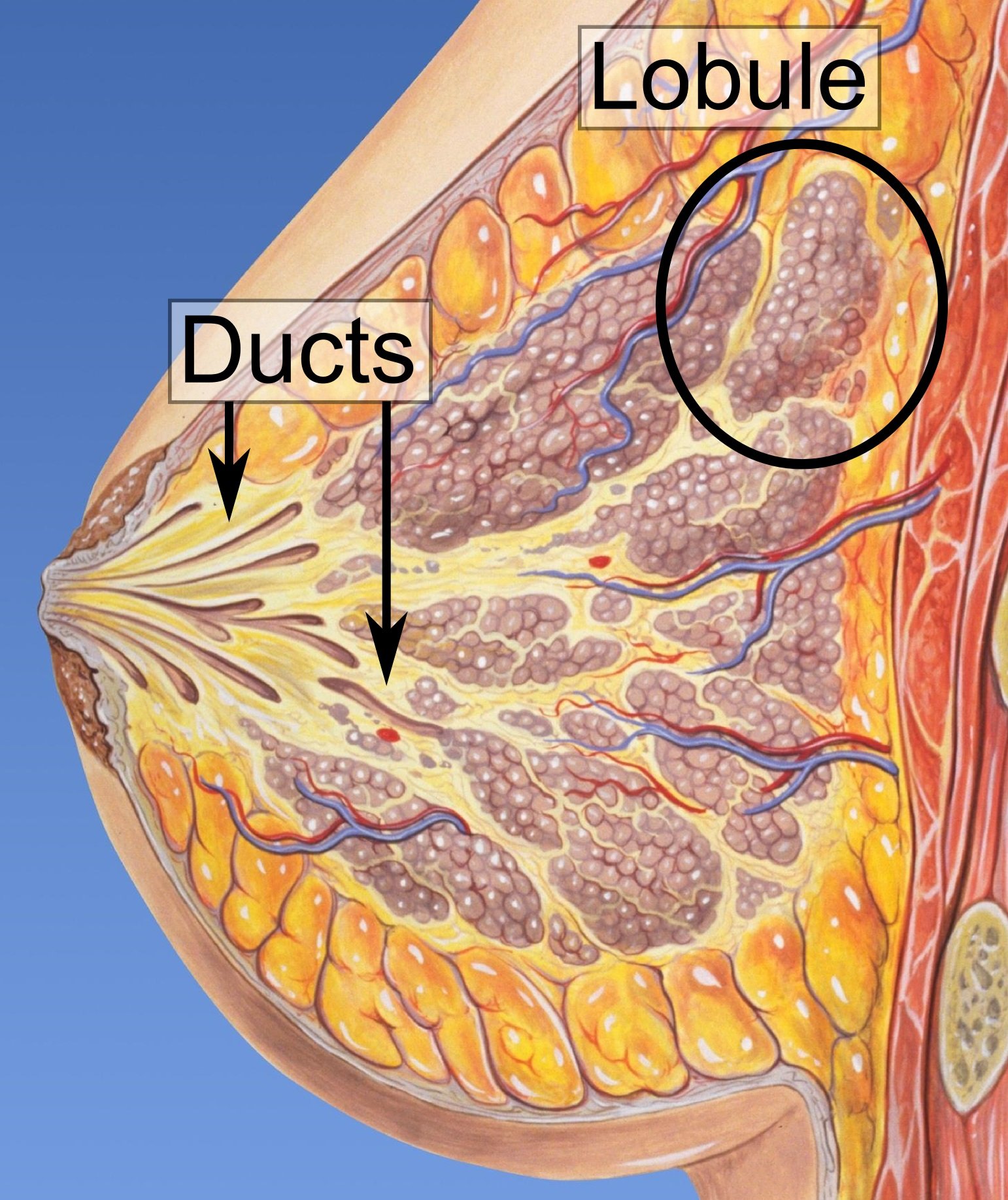
Breast tumors are classified as benign or malignant based on their cellular characteristics and potential to spread. Benign tumors, such as fibroadenomas, are noncancerous, while malignant tumors involve abnormal cell growth that may spread to surrounding tissues. When imaging identifies a suspicious breast mass, physicians may perform a biopsy to determine its characteristics and guide treatment recommendations. Here is more information about the different types of breast tumors:
Benign Tumor Types
A benign breast tumor is a noncancerous growths that develop within breast tissue. Fibroadenomas commonly appear as smooth, movable lumps, and they frequently occur in younger women. Although these growths do not spread to other tissues, physicians may recommend imaging or additional testing to confirm their characteristics.
Breast cysts are fluid-filled sacs that sometimes change in size throughout the menstrual cycle. Intraductal papillomas develop within milk ducts, and they are able to cause nipple discharge or produce a noticeable lump. Because symptoms and imaging findings vary, physicians evaluate these growths to determine whether monitoring, biopsy, or removal is appropriate.
Other benign breast conditions include fat necrosis and certain phyllodes tumors. Fat necrosis may develop after breast injuries or surgery, while phyllodes tumors originate in connective tissue and sometimes grow rapidly. Although most phyllodes tumors are benign, surgical removal is generally recommended because some exhibit borderline or malignant characteristics. Physicians use physical examinations, imaging, and biopsies to distinguish these growths from breast cancer.
Malignant Tumor Types
Malignant breast tumors contain cancerous cells that may invade surrounding tissues or spread to other areas of the body. Invasive ductal carcinoma begins in the milk ducts, while invasive lobular carcinoma develops in the milk-producing glands. Because these cancers have different growth patterns, physicians use imaging and biopsies to evaluate their characteristics. Inflammatory breast cancer is able to cause redness, swelling, and warmth without producing a distinct breast lump.
Triple-negative breast cancer lacks estrogen receptors, progesterone receptors, and elevated HER2 expression, which affects available treatment options. Ductal carcinoma in situ remains confined to the milk ducts and is classified as noninvasive breast cancer. Although breast cancer types differ, physicians evaluate tumor grade, stage, and receptor status to guide treatment recommendations. These findings help determine whether surgery, radiation therapy, medication, or a combination of approaches is appropriate.
Tumor Risk Factors
Several factors influence the likelihood of developing breast tumors, although individual risk varies. Age, family history, and inherited genetic mutations may increase breast cancer risk, while hormonal exposure also influences breast tissue. Because risk factors differ between individuals, physicians review medical history and recommend appropriate screening methods. Factors associated with increased breast cancer risk include:
- Having a family history of breast cancer
- Inheriting BRCA1 or BRCA2 gene mutations
- Experiencing early menstruation or late menopause
- Using certain hormone replacement therapies
- Engaging in limited physical activity
- Having dense breast tissue
Breast Tumor Treatment Options
Breast tumor treatment depends on whether the growth is benign or malignant, along with its size and location. Benign tumors may require monitoring, while certain growths need surgical removal based on their characteristics. Malignant tumors often involve surgery, including lumpectomy or mastectomy, and additional therapies are able to address remaining cancer cells. Because breast cancer characteristics vary, physicians use tumor stage, receptor status, and medical history to guide treatment recommendations. Options may include radiation therapy, chemotherapy, hormone therapy, or targeted medications.
Schedule a Breast Evaluation Today
Breast tumors vary in their characteristics, ranging from benign growths to malignant conditions requiring specialized care. Changes such as new lumps, swelling, or unusual breast tissue changes may require further medical evaluation. Because tumor types differ, physicians use physical examinations, imaging, and biopsies to determine appropriate diagnostic and treatment approaches. Schedule a breast evaluation with a qualified breast surgeon today to discuss symptoms and available care options.