
Family dentistry professionals provide dental care for patients of various ages, from young children to older adults. One practice can serve the whole household; this makes it easy to coordinate appointments and build a relationship with a team that knows each person’s history. It also keeps dental records in one place for enhanced organization. Here are several reasons to visit a family dentist:
Scheduling Routine Checkups
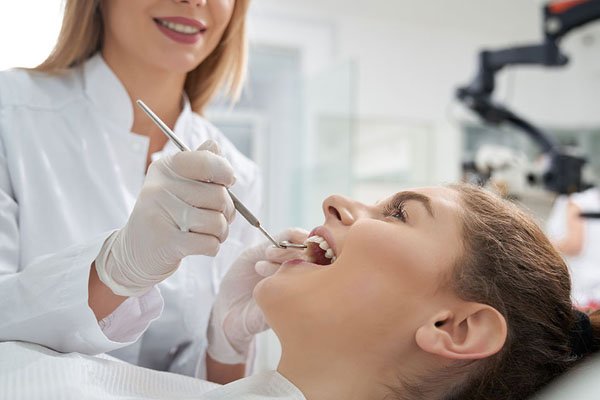
Routine checkups are a key part of preventive dental care. Many dentists recommend a visit every six months, although your dentist may suggest a different schedule based on your dental history. A typical checkup includes a professional cleaning and an exam of the teeth, gums, and mouth. The dentist or hygienist may also take X-rays when appropriate, and they document any changes since your last visit. Booking your next checkup before you leave the office helps you stay on schedule. If you have dental insurance, review your plan to confirm how many cleanings it covers each year, since this detail can affect how you schedule future visits.
Noticing Tooth or Gum Changes
Some changes in your mouth warrant an appointment before your next scheduled checkup. Contact your family dentistry clinic promptly if you notice any of the following:
- Tooth pain or sensitivity to hot, cold, or sweet foods
- Gums that bleed during brushing or flossing
- Swelling, sores, or spots in the mouth that do not go away on their own
- A broken, chipped, or cracked tooth
- A lost or damaged filling, crown, or other dental restoration
- Changes in how your teeth fit together when you bite
- Persistent bad breath or an unusual taste
When you call the office, describe what you observe and when it started; this information helps staff schedule the right type of appointment. Until your visit, follow any instructions the team provides. Keeping a brief note of new symptoms, including their start date, gives your dentist a clearer picture. Because some changes progress quickly, acting promptly is key to protecting your oral health.
Planning Care at Every Age
Many dental organizations recommend a child’s first dental visit by age one or within six months of the first tooth appearing. Early appointments let the dentist check development, and they give parents practical guidance on cleaning small teeth. As children grow, the dentist tracks new teeth. They may also discuss sealants, fluoride, or a referral to an orthodontist; each recommendation builds on the previous visit’s findings.
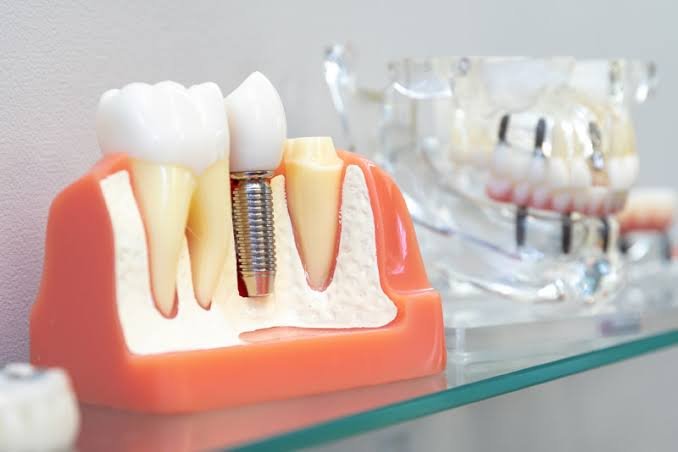
Older adults bring different needs to every appointment. Dentures, bridges, and implants require regular checks, and the dentist confirms that each one fits properly. Since some medications affect oral health, bring an updated medication list to your visit; this single step helps the dentist tailor care to your current situation. If mobility makes travel difficult, ask whether the practice offers accessible facilities or flexible scheduling so that routine care stays within reach.
Seeking Urgent Dental Care
Certain situations require same-day care, including:
- A knocked-out tooth
- A severe toothache
- Significant swelling in the face or jaw
Bleeding that does not stop
Call your family dentist promptly for these concerns. If the office is closed, listen for after-hours instructions or an on-call number, and follow the guidance you receive. For a knocked-out tooth, hold it by the crown, not the root, and keep it moist in milk or saliva on the way to the office. If swelling affects breathing or swallowing, or if you have a head or face injury, go to an emergency room or call 911. Saving your dentist’s number in your contacts now means it’s ready when every second counts.
Find a Family Dentistry Clinic
Family dental care helps prevent cavities and gum disease; it also treats tooth pain or cracks. By scheduling regular cleanings, watching for changes, and seeking emergency care when needed, you can stay proactive about your oral health. This approach helps protect your smile at every stage of life. Contact a family dentist in your area to schedule your next appointment.