Botox is a cosmetic injection, and it is used to reduce dynamic wrinkles on the face and for other purposes. It uses a purified protein to relax specific facial muscles, and the effects last several months. When you understand how it works, you may feel more prepared for your first appointment. This is how each step works and what it can do:
Deriving Ingredients From a Protein
Botox starts with a protein that the bacterium Clostridium botulinum produces naturally. In large amounts, this protein causes a serious illness called botulism. Providers use one specific type, botulinum toxin type A, and they purify it in a controlled lab setting.
The purified protein arrives as a dry powder, and providers mix it with sterile saline before use. Since the final solution is highly diluted, each dose contains only a tiny fraction of the original toxin. Providers measure Botox in units for precise dosing. A typical forehead treatment uses a small, carefully measured number of units.
Injecting Into Facial Muscles
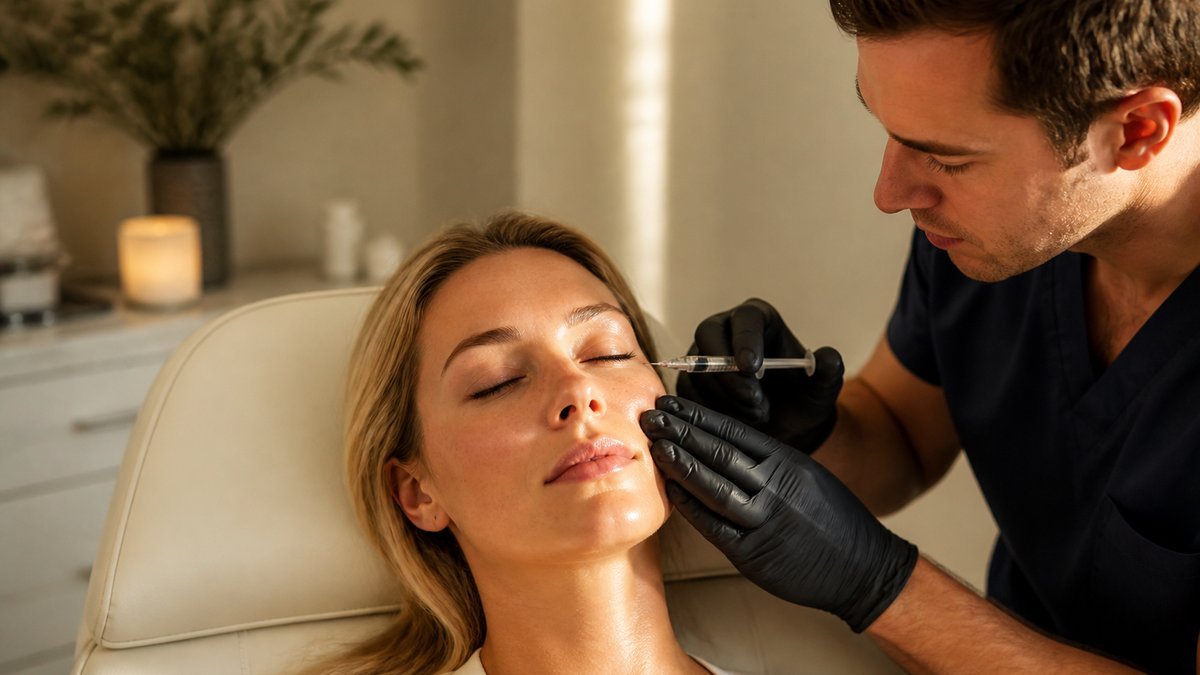
Your provider first studies your facial expressions, and then they mark specific injection points. A very fine needle delivers small amounts of Botox into each targeted muscle. While plans differ by person, most treatments focus on these areas:
- Frown lines between the eyebrows
- Horizontal forehead lines
- Crow’s feet at the outer corners of the eyes
- Vertical bands on the neck
Since the needle is very fine, many people compare the sensation to a quick pinch. Most sessions are quick, and you may return to normal activities the same day. Some guests notice minor redness or bruising at the injection sites.
Blocking Nerve Signals
Every facial expression starts with a signal from your nerves. When a nerve fires, it releases a chemical messenger called acetylcholine. Acetylcholine attaches to the muscle, and the muscle contracts in response.
Botox enters the nerve endings near each injection site, and it blocks the release of acetylcholine. Without this signal, the treated muscle stays relaxed. Since the effect stays mostly local, untreated muscles nearby keep working as usual. Your face still moves.
This precise mechanism makes Botox also effective for treating medical conditions like chronic migraines and excessive sweating. It’s a simple yet specialized treatment that works through carefully targeted injections. While the process appears straightforward, it requires trained professionals to promote accuracy and deliver the desired results safely.
Relaxing Wrinkles
Botox targets dynamic wrinkles, which form when you squint, frown, or raise your brows. Static wrinkles remain visible on a resting face. Botox may soften static lines over time, but deep creases may respond better to fillers or resurfacing. Over several months, nerves form new connections, and muscle movement slowly returns. While timelines vary by person, a typical course looks like this:
- First days: Early softening may appear.
- Weeks after: The full effect typically becomes visible.
- Months later: Movement returns, and many guests book a follow-up visit.
Schedule Botox Injections Today
If you are curious about Botox, a consultation gives you time to ask questions. Your provider will review your medical history, and together you will set realistic goals. After treatment, stay upright for four hours and avoid rubbing the area. Contact a medical spa to book an appointment at a time that fits your schedule.