 A hair transplant is often thought of as a single event: one procedure, then a wait for results. A more complete view treats the transplant as one part of a longer plan for the whole scalp. For anyone weighing their options, it helps to see how an FUE hair transplant Ontario patients choose today fits into that longer plan. Understanding how the procedure and ongoing hair care work together sets realistic expectations and supports a natural-looking result that holds up over time.
What FUE Does
Follicular Unit Extraction, or FUE, relocates individual hair follicles from areas of stronger growth to areas where coverage is declining. The donor hair usually comes from the back or sides of the scalp, where hair tends to be more resistant to the hormone-related thinning that affects the top of the head. Each follicular unit is removed with a specialized micro-punch tool, so no strip of skin is taken and no stitches are required. This approach leaves no linear scarring, which allows many people to wear their hair short once the donor area has fully healed. The grafts are then placed into small recipient sites, each one angled to match the natural direction and density pattern of the surrounding hair.
Standards for Hair Transplants in Ontario
In Ontario, hair transplants must be performed at approved out-of-hospital premises. This requirement provides an important layer of oversight for patients, covering the environment in which the procedure takes place. At the Hair Transplant Centre Toronto, every FUE hair transplant Ontario patients book is performed in this approved setting, with each stage of the procedure and follow-up care organized under physician oversight.
Who Tends to Be a Good Candidate
FUE is generally suited to men and women with defined areas of thinning, a receding hairline, or pattern hair loss. The best candidates are in good overall health and have enough healthy donor hair to cover the areas they want to restore. Women with female pattern hair loss, traction-related loss, and some forms of scarring hair loss may also be candidates. Candidacy is confirmed through a detailed scalp and donor analysis during the consultation. Donor hair can be examined under a microscope to confirm that the follicles are intact, and the physician reviews both the donor and treatment areas along with the proposed hairline design. The consultation also covers medical history, current medications, and any conditions that could affect healing, bleeding, or graft survival.
How the Donor Supply Is Planned
The number of grafts depends on the size of the area being restored, the quality of the donor hair, and each person’s long-term goals. For that reason, it is set individually during the consultation rather than taken from a standard figure. Quality matters more than quantity. Taking too many hairs from the donor area can affect the hair that remains, so the plan has to balance the result someone hopes for today with the donor supply they may need in the future.
What Happens on Procedure Day
On the day of the procedure, the design of the new hairline or treated area is drawn first, so the patient can see the plan before anything begins. The donor and recipient areas are then prepared, and a local anesthetic is used to keep the patient comfortable. Most people feel pressure rather than pain during the procedure. Once the area is numb, follicular units are extracted one at a time and carefully prepared, with graft preservation solutions used to protect them until placement. Small recipient sites are created in the thinning areas, and each graft is placed to follow the natural angle and direction of the existing hair. This attention to detail helps the new hair blend in rather than stand out, and it is one of the most important steps in any FUE hair transplant Ontario patients undergo. Before the procedure, patients receive clear pre-op instructions. Following them closely helps the day run smoothly and supports a good recovery.
Planning for the Whole Scalp
A transplant restores coverage in specific areas, but the best long-term results come from a plan that considers the entire scalp. The existing hair around the transplanted area is part of the overall picture, and keeping it strong helps the result look balanced for years to come. Transplanted hair is considered permanent for most patients, so long-term care focuses on the hair around it. This is where supporting treatments become valuable. FUE is often combined with PRP hair treatment, which uses the patient’s own platelet-rich plasma, and with exosome hair restoration treatment. The clinic also offers Hydrafacial Keravive, Aquagold hair microneedling, and Viviscal hair supplements as part of a wider scalp care routine. These options are designed to support the health of existing hair, which complements the transplanted grafts. When these options are discussed together during the consultation, the transplant stops being a stand-alone treatment and becomes one part of a broader plan for every FUE hair transplant Ontario patients receive.
What Recovery Looks Like
After the procedure, mild redness, swelling, and tenderness are common during the first few days. Many people return to desk-based work within two to three days and return gradually to exercise and full activity as the scalp heals, often after about two weeks. During this period, the scalp should be kept clean and moisturized as directed, and the treated areas should not be rubbed, scratched, or put under pressure. Follow-up appointments are scheduled to monitor recovery. These visits also provide a natural opportunity to review how supporting treatments are fitting into the plan.
How Results Develop over the Year
Results from FUE develop gradually. Some transplanted hairs may shed between weeks two and four, which is a normal part of the process. New growth typically begins around the third month, visible improvement builds by month six, and the final result is usually assessed at around twelve months. In the first year, new hairs may start slightly finer before gaining strength. Understanding this timeline helps patients set the right expectations for the early months. It also explains why supporting treatments and follow-up visits continue to matter long after procedure day. 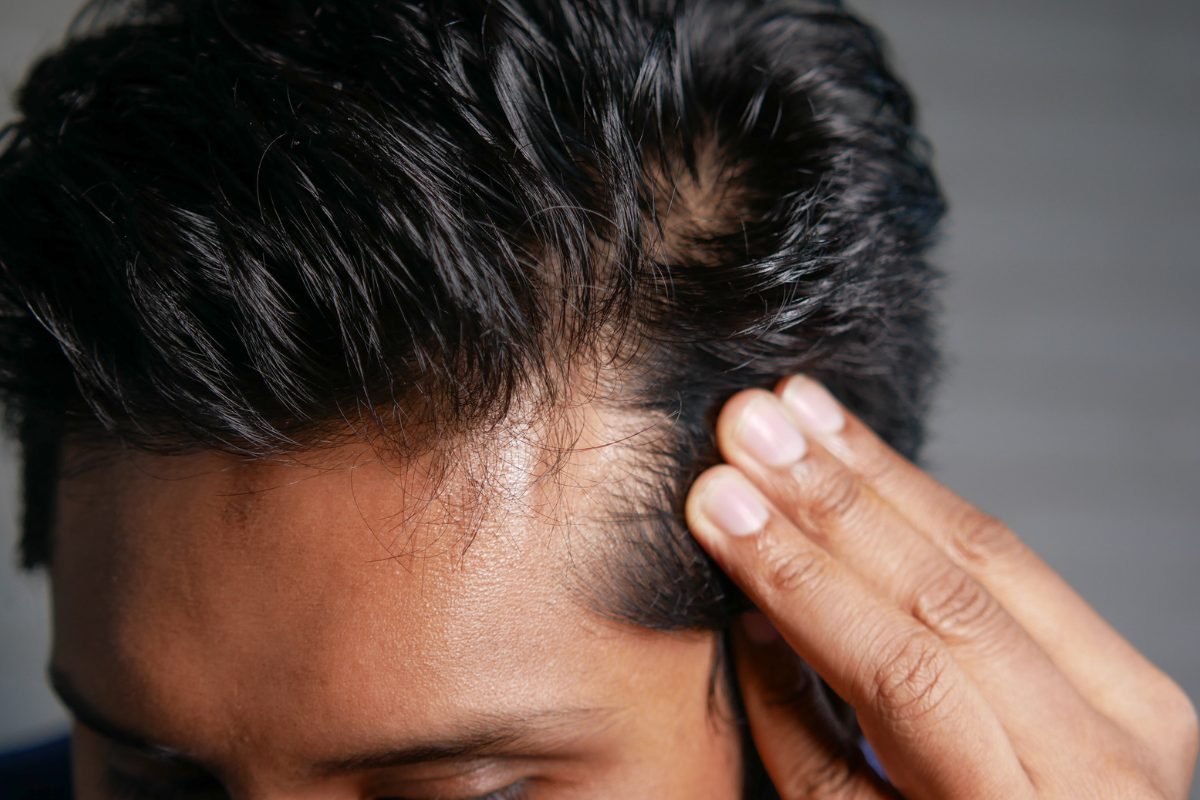
Bringing the Procedure and Hair Care Together
At the Hair Transplant Centre Toronto, located downtown on King Street West, FUE procedures are planned alongside supporting treatments such as PRP, so that both can be considered as one approach to the whole scalp. Consultations are free. The process begins with a phone consultation, which provides an estimate of projected costs and procedure timeframes, followed by an in-person visit that includes a detailed scalp and donor analysis. Hair transplants are not covered by OHIP or most private insurance plans, so this early estimate helps with planning. Searching for “FUE hair transplant Ontario” brings up plenty of information about the procedure itself, but the most useful conversations look beyond procedure day. A thoughtful FUE hair transplant Ontario plan considers how the donor hair will be used, how the existing hair will be supported, and how results will be monitored over time. With that wider view, the transplant becomes the centrepiece of a long-term approach to healthy, natural-looking hair.