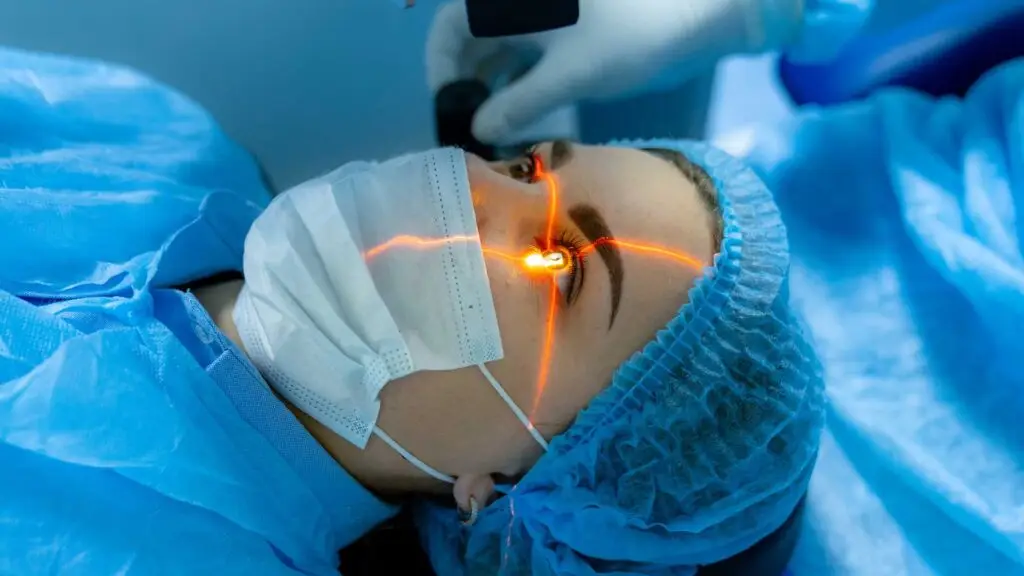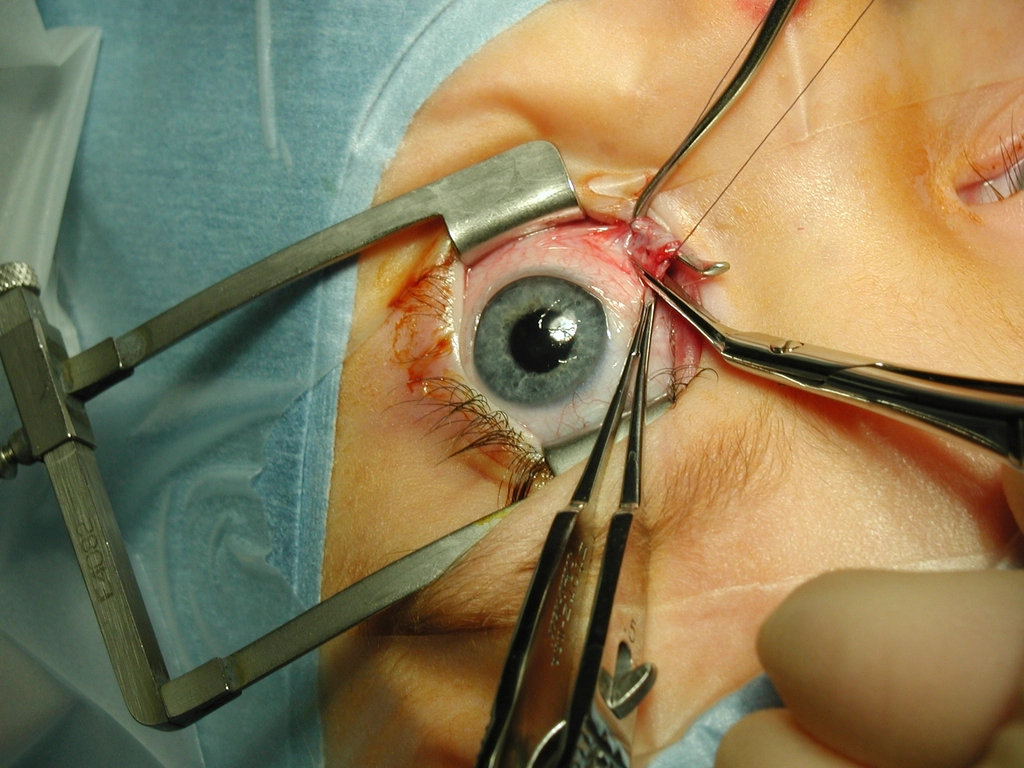
Cataract surgery remains one of the most frequently performed procedures worldwide, yet many patients approach their consultation with limited understanding of the lens choices available to them. The decision between standard monofocal lenses and premium intraocular lens technology can significantly affect visual outcomes and quality of life after surgery. While all FDA-approved lenses restore functional vision by replacing the clouded natural lens, premium options address multiple vision zones or correct astigmatism, potentially reducing dependence on glasses.
The Fundamentals of Intraocular Lens Technology
During cataract surgery, the surgeon removes the clouded natural lens and replaces it with an artificial intraocular lens. Standard monofocal lenses provide clear vision at one distance, typically optimized for either near or far vision. Most patients who receive monofocal lenses set for distance vision will need reading glasses for close work. This represents a perfectly acceptable outcome for many individuals, particularly those who have worn glasses throughout their adult lives and find them no burden.
Premium lens options include multifocal lenses, which create multiple focal points to address near, intermediate, and distance vision; extended depth of focus lenses, which provide a continuous range of vision with reduced visual disturbances; and toric lenses, which correct pre-existing astigmatism. Each technology involves specific optical designs with corresponding trade-offs that patients must understand before making an informed choice.
Evaluating Your Visual Demands and Lifestyle
The appropriateness of premium lens technology depends heavily on individual visual demands. Patients who spend significant time reading, using digital devices, or engaging in hobbies requiring intermediate vision may benefit more from multifocal or extended depth of focus lenses than those whose activities primarily involve distance vision. A retired professional who enjoys reading, woodworking, and travel faces different visual demands than someone whose primary activities involve driving and watching television.
Professional drivers, pilots, and individuals who work extensively at night should carefully consider potential visual phenomena associated with certain premium lenses. Multifocal designs can produce halos or glare around lights in low-light conditions, which typically diminish over several months as the brain adapts but may persist in some patients. Extended depth of focus lenses generally produce less noticeable visual phenomena while still reducing glasses dependence.
Medical Factors That Influence Lens Selection
Not every eye qualifies as a good candidate for premium lens technology. Pre-existing ocular conditions such as macular degeneration, glaucoma with significant visual field loss, irregular corneal astigmatism, or previous retinal surgery may compromise the visual benefits of premium lenses or increase the likelihood of dissatisfaction. The corneal surface must have sufficient regularity to support the optical design of multifocal lenses, which explains why a thorough preoperative evaluation includes detailed corneal mapping.
Patients with significant dry eye disease may experience reduced visual quality with any lens type, but premium lenses can be particularly sensitive to ocular surface irregularities. Addressing dry eye before cataract surgery often improves outcomes and patient satisfaction. Similarly, patients with unrealistic expectations about eliminating all glasses in all conditions may experience disappointment even with technically successful premium lens implantation.
Finding Experienced Surgical Guidance
Selecting the right surgeon involves more than credentials and experience numbers. The quality of preoperative counseling often predicts postoperative satisfaction, particularly when premium lenses are under consideration. Surgeons who take time to explain realistic outcomes, discuss potential visual trade-offs, and assess whether a patient’s expectations align with what the technology can deliver provide a foundation for informed decision-making. Educational resources from experienced ophthalmologists like Gary Wörtz can help patients understand the nuances of lens options and what questions to ask during consultations. Comprehensive patient education before surgery reduces misunderstandings and helps individuals make choices consistent with their visual priorities and lifestyle requirements.
The surgeon’s experience with specific lens platforms matters because each design requires particular surgical techniques and postoperative management approaches. A surgeon who implants a wide variety of premium lenses regularly develops familiarity with which patients benefit most from each technology and can guide selection based on individual eye anatomy and visual needs rather than recommending a single solution for everyone.
Cost Considerations and Insurance Coverage
Standard cataract surgery with monofocal lenses is covered by Medicare and most insurance plans as medically necessary treatment. Premium lens options involve additional out-of-pocket costs because they address refractive errors beyond basic cataract removal. These costs typically include the lens technology itself, additional preoperative testing required for precise lens calculations, and sometimes enhanced surgical techniques. Patients should request detailed cost breakdowns and understand exactly what services are included before committing to premium lens surgery.
Some practices offer financing options for premium lens upgrades. While cost should not be the sole deciding factor, patients must honestly assess whether the potential reduction in glasses dependence justifies the financial investment for their particular situation. A patient who strongly dislikes wearing glasses and can comfortably afford the upgrade may value the investment differently than someone on a fixed income who finds glasses no inconvenience.
Questions to Ask During Your Consultation
Arriving at your cataract consultation prepared with specific questions ensures you gather the information needed for an informed decision. Ask what percentage of the surgeon’s patients receive premium lenses and what percentage of those patients achieve glasses independence for most activities. Inquire about the surgeon’s experience with the specific lens being recommended and whether alternative lens options might better suit your visual profile. Understanding the surgeon’s approach to managing patients who experience visual disturbances or dissatisfaction after premium lens implantation reveals their commitment to patient outcomes beyond the procedure itself.
Request to speak with previous patients who received the lens type under consideration, particularly those with similar visual demands or lifestyle patterns. Ask about the timeline for visual adaptation and what activities might be limited during the recovery period. Understanding that final visual results may take several weeks to months as the eye heals and the brain adapts to new visual input helps set realistic expectations. For guidance on evaluating surgeon qualifications and asking the right questions, resources like choosing the right ophthalmologist provide frameworks for assessment.
Special Considerations for Complex Cases
Patients with a history of retinal surgery, such as procedures for retinal detachment repair, face additional considerations when selecting intraocular lenses. Previous retinal procedures can affect the eye’s anatomy and optical characteristics in ways that influence lens calculations and visual outcomes. These patients often benefit from conservative lens selection, prioritizing visual quality and predictability over ambitious refractive targets.
Similarly, patients who have undergone previous refractive surgery like LASIK or PRK require specialized lens calculation formulas because their corneal shape differs from eyes without surgical history. Standard calculation methods may produce refractive surprises, making accurate measurements and experienced surgical judgment particularly important for achieving desired outcomes.
Making Your Decision With Confidence
The choice between standard and premium intraocular lenses represents a personal decision based on visual priorities, lifestyle requirements, medical suitability, and financial considerations. No single lens type suits everyone, and satisfaction depends on alignment between expectations and outcomes. Patients who thoroughly research their options, honestly assess their visual needs, and engage in detailed discussions with their surgeon typically experience greater satisfaction regardless of which lens technology they choose.
Remember that cataract surgery with any lens type successfully restores functional vision compromised by lens clouding. Premium lenses offer potential additional benefits but come with specific trade-offs and costs. Taking time to understand these factors before surgery allows you to make a choice consistent with your values and visual goals, leading to outcomes that enhance your quality of life for years to come.
Table of content
- The Fundamentals of Intraocular Lens Technology
- Evaluating Your Visual Demands and Lifestyle
- Medical Factors That Influence Lens Selection
- Finding Experienced Surgical Guidance
- Cost Considerations and Insurance Coverage
- Questions to Ask During Your Consultation
- Special Considerations for Complex Cases
- Making Your Decision With Confidence