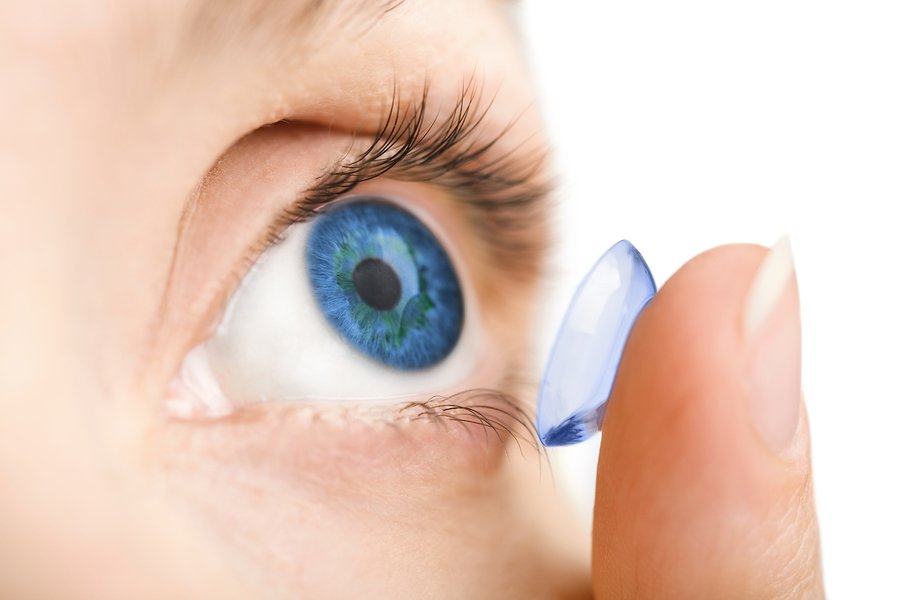
Contact lenses provide an alternative to eyeglasses by correcting vision directly on the surface of the eye. These thin, curved lenses help address common refractive errors, including nearsightedness, farsightedness, and astigmatism. Because individual vision needs vary, eye care providers evaluate eye health and measurements before recommending appropriate contact lens options. Here is more information about the benefits of contact lenses:
Correcting Common Vision Problems
Contact lenses correct refractive errors by adjusting how light enters the eye and focuses on the retina. Common conditions include nearsightedness, farsightedness, astigmatism, and presbyopia, which affects near vision with age. Eye care providers evaluate visual acuity, eye health, and prescription needs before recommending appropriate lenses.
Nearsightedness affects distance vision, while farsightedness may cause difficulty focusing on nearby objects. Astigmatism develops when the cornea or lens has an irregular shape, causing blurred or distorted vision. Specialized contact lenses, including toric designs, help correct these irregularities by adjusting how light focuses within the eye.
Presbyopia gradually affects the ability to focus on nearby objects as the eye’s natural lens becomes less flexible. Multifocal contact lenses provide different optical powers to address changing vision needs at various distances. Because prescriptions and eye health change over time, regular examinations help providers assess vision and update contact lens recommendations.
Choosing the Right Lens Type
Lenses come in different materials and designs to accommodate individual prescriptions, eye conditions, and daily routines. Soft lenses offer flexibility, while gas permeable lenses provide a more rigid design for certain vision correction needs. Because eye shape and visual requirements vary, eye care providers evaluate corneal health, lens fit, and comfort before recommending options. Common contact lens types include:
- Wearing soft lenses: Using flexible materials designed for daily or approved extended wear.
- Choosing gas permeable lenses: Using rigid, oxygen-permeable materials to correct certain refractive errors and corneal irregularities.
- Selecting Duette lenses: Combining a rigid center with a soft outer portion to address specific vision correction needs.
- Using scleral lenses: Fitting larger lenses over the cornea to address conditions such as keratoconus or corneal scarring.
Caring for Your Lenses
Proper contact lens care involves cleaning, handling, and replacing lenses according to recommended schedules. Washing hands before touching lenses helps reduce the transfer of bacteria and other contaminants to the eyes. Because improper lens hygiene increases infection risks, patients should use recommended cleaning solutions and avoid exposing lenses to water.
Contact lens care routines vary depending on lens materials, replacement schedules, and individual eye health needs. Eye care providers explain appropriate cleaning methods, storage practices, and replacement intervals during contact lens fittings. Regular eye examinations also allow providers to evaluate lens fit, monitor eye health, and address discomfort or vision changes.
Try Contact Lenses Today
Contact lenses correct common vision conditions, including nearsightedness, farsightedness, astigmatism, and presbyopia. Available options include soft, gas permeable, Duette, and scleral lenses, each designed for different vision and eye health needs. Because lens requirements vary, eye care providers evaluate prescriptions, corneal measurements, and overall eye health before recommending appropriate options. Schedule a contact lens exam today to discuss your vision needs and explore suitable lens types.