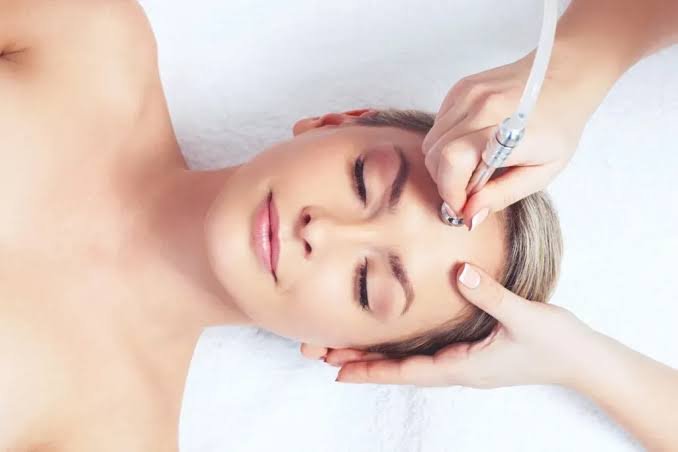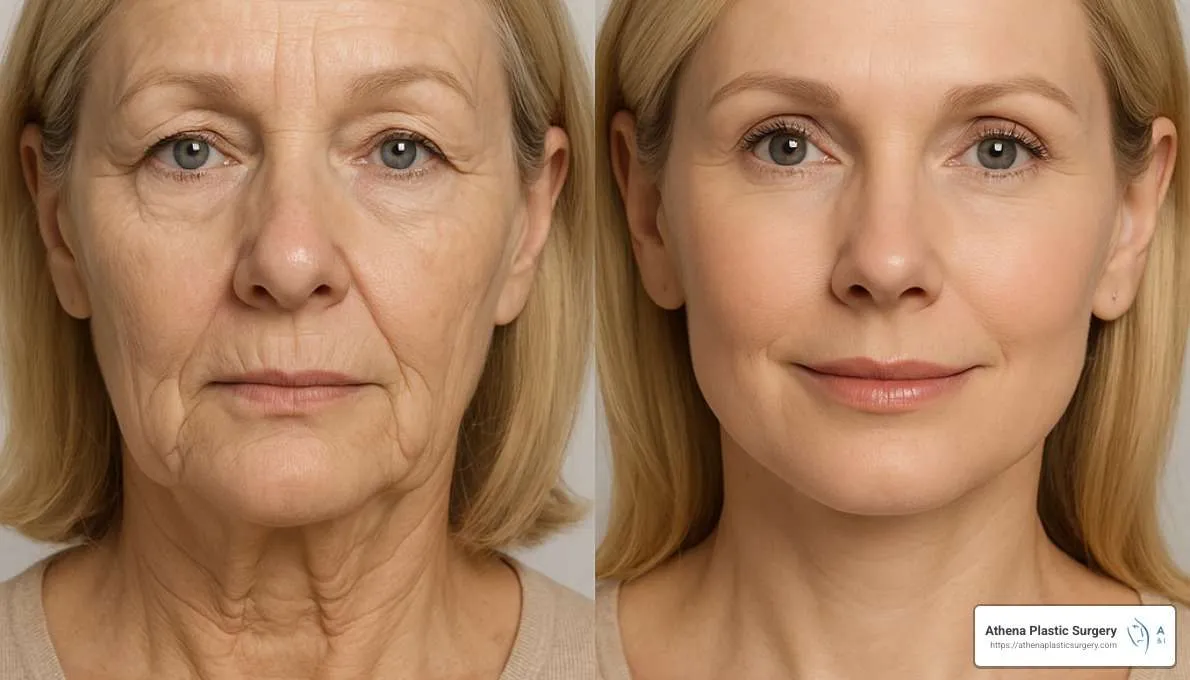
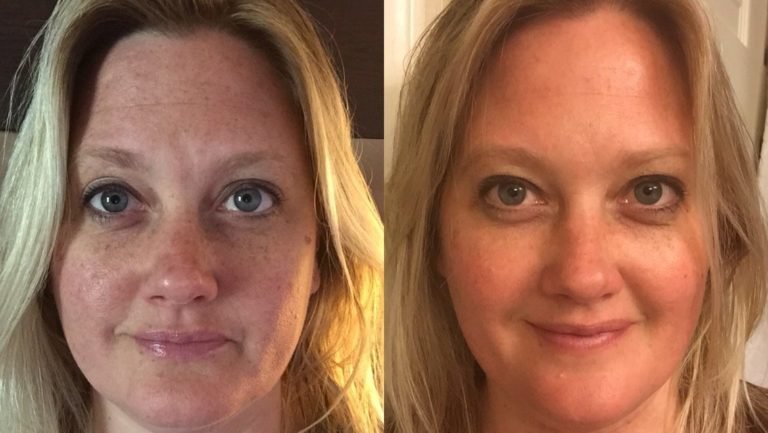
A chemical peel is an aesthetic treatment that applies a chemical solution to the skin, prompting the outer layers to exfoliate and eventually shed. As the surface skin renews, many people benefit from a smoother skin texture and a more even tone. Chemical peels often address common aesthetic concerns, including fine lines, sun damage, uneven pigmentation, and dullness. Because peels come in different strengths, they can be matched to a person’s skin type and goals, making them a versatile option for many individuals. Here’s information on the different types of chemical peels available and their uses:
Superficial Peels
Superficial peels use mild acids, such as alpha-hydroxy or beta-hydroxy acids, to gently exfoliate the skin’s outermost layer. Their gentle nature makes them suitable for a range of skin types and tones. People often choose superficial chemical peels for a subtle skin refresh with minimal downtime, and they can be repeated over a series of sessions to build gradual results.
Superficial peels tend to target early signs of aging, mild discoloration, and rough texture. Because they work on the surface, recovery is usually short, with mild flaking or redness that fades quickly. For those new to peels or with sensitive skin, a superficial option is often a practical, effective starting point. Some skin conditions that chemical peels aim to address include:
- Mild Scarring
- Certain Acne Types
- Rough-looking or Dry Skin
- Sun or Aging Spots
- Fine Lines
Medium and Deep Peels
Medium and deep peels reach further into the skin to address more noticeable skin concerns. Medium peels, which often use trichloroacetic acid, may be recommended for moderate wrinkles, sun damage, or uneven pigmentation. Deep peels penetrate the deepest layers and are reserved for more pronounced texture and tone concerns.
These stronger peel treatments require more recovery time than superficial peels, but their results can be more dramatic. Because of their intensity, qualified professionals need to first assess whether someone is an appropriate candidate. A consultation helps determine the right chemical peel depth based on a person’s skin type, goals, and tolerance for downtime. Deeper peels are often recommended when milder treatments haven’t delivered the desired outcome someone wants. They may be recommended for individuals seeking a more significant change in the appearance of aging or long-term sun exposure.
Croton Oil Peel
A croton oil peel, sometimes called a modified phenol peel, is one of the deepest peels available. It combines phenol with croton oil, and practitioners can adjust the concentration to control treatment depth. This flexibility allows practitioners to tailor the peel to the skin concern being addressed. Because of its depth, a croton oil peel is used for more advanced signs of aging, such as deeper wrinkles and significant sun damage. The treatment requires careful planning and a longer recovery period compared with lighter peels.
Benefit From Chemical Peels
Chemical peels offer a range of options for different skin concerns, from gentle surface refreshes to deeper, more intensive treatments. Choosing the appropriate peel depends on your skin type, your goals, and how much recovery time fits your schedule. If you are interested in a chemical peel facial, schedule a consultation at a reputable medical spa today. A provider can explain what to expect, how to prepare, and how to care for the skin afterward.
- Understanding the Role of Pediatric Orthopedic Specialists in Children’s Health
- Navigating the Process of STD Testing
- When Should You See an Orthopedic Specialist for Hand Pain?
- Understanding the Different Types of Chemical Peels and Their Uses
- The Science of Skin Elasticity: Unlocking Youthful Texture with Bioactive Peptide Complexes