Comprehensive eye care covers everything your eyes need over a lifetime, from a simple yearly exam to surgery for serious disease. Instead of visiting one office for glasses, another for a cataract consultation and a third for glaucoma treatment, patients get all of it under one roof. Intermountain Eye Centers in Idaho is a good example of this model: its team, including glaucoma-trained ophthalmologist dr fishburn, offers routine eye exams, medical and surgical treatment for cataracts, glaucoma, retinal and corneal disorders, refractive procedures like LASIK, PRK and ICL, optical services and specialized oculoplastic care.
This guide explains what comprehensive eye care includes, who needs which service, and how a full-service practice helps patients protect their vision and keep it clear for the long term.
What Are Comprehensive Eye Care Services?
Comprehensive eye care services are the full range of preventive, medical, surgical and optical care for the eyes, delivered by a coordinated team of ophthalmologists and optometrists. They start with routine exams and vision correction and extend to the diagnosis and treatment of eye diseases. The key benefit is continuity: the same practice that finds a problem can also treat it.
A full-service eye center usually covers these areas:
- Primary eye care: routine eye exams, vision testing and early disease screening.
- Medical eye care: diagnosis and management of conditions such as glaucoma, dry eye and retinal disease.
- Surgical care: cataract surgery, glaucoma procedures, corneal transplants and retinal treatment.
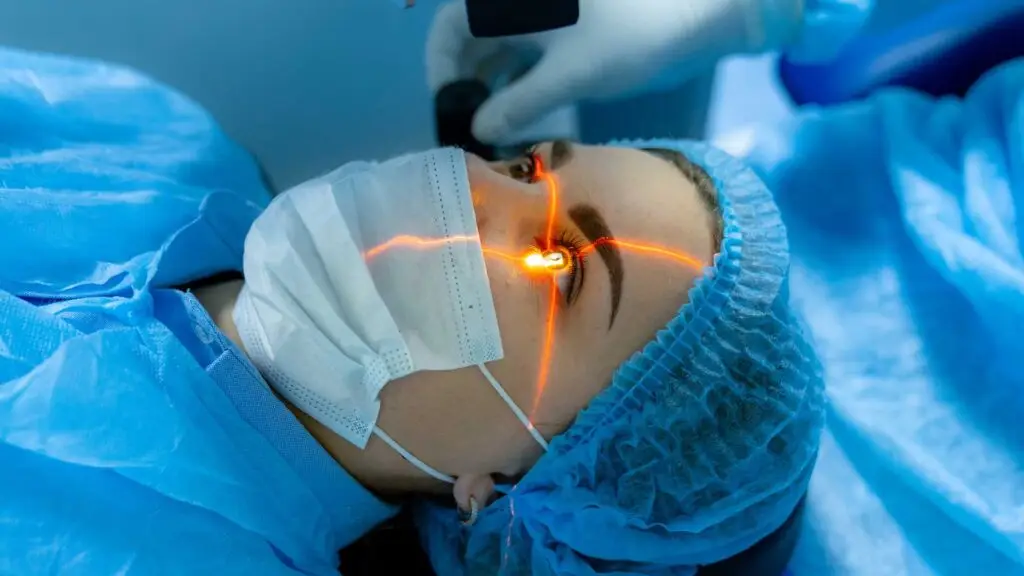
- Refractive surgery: LASIK, PRK and ICL to reduce dependence on glasses and contacts.
- Optical services: eyeglasses, contact lenses and fittings.
- Oculoplastic care: treatment of the eyelids, tear ducts and surrounding structures.
Why Are Routine Eye Exams So Important?
Routine eye exams catch problems before you notice them. Many serious eye diseases, including glaucoma and early diabetic eye disease, cause no pain and no obvious vision change in their early stages. By the time symptoms appear, some damage may already be permanent. A thorough exam checks far more than whether you need a new prescription.
A comprehensive eye exam typically includes:
- Visual acuity testing to measure how clearly you see at different distances.
- Refraction to determine the right prescription for glasses or contacts.
- Eye pressure measurement, an important screening step for glaucoma.
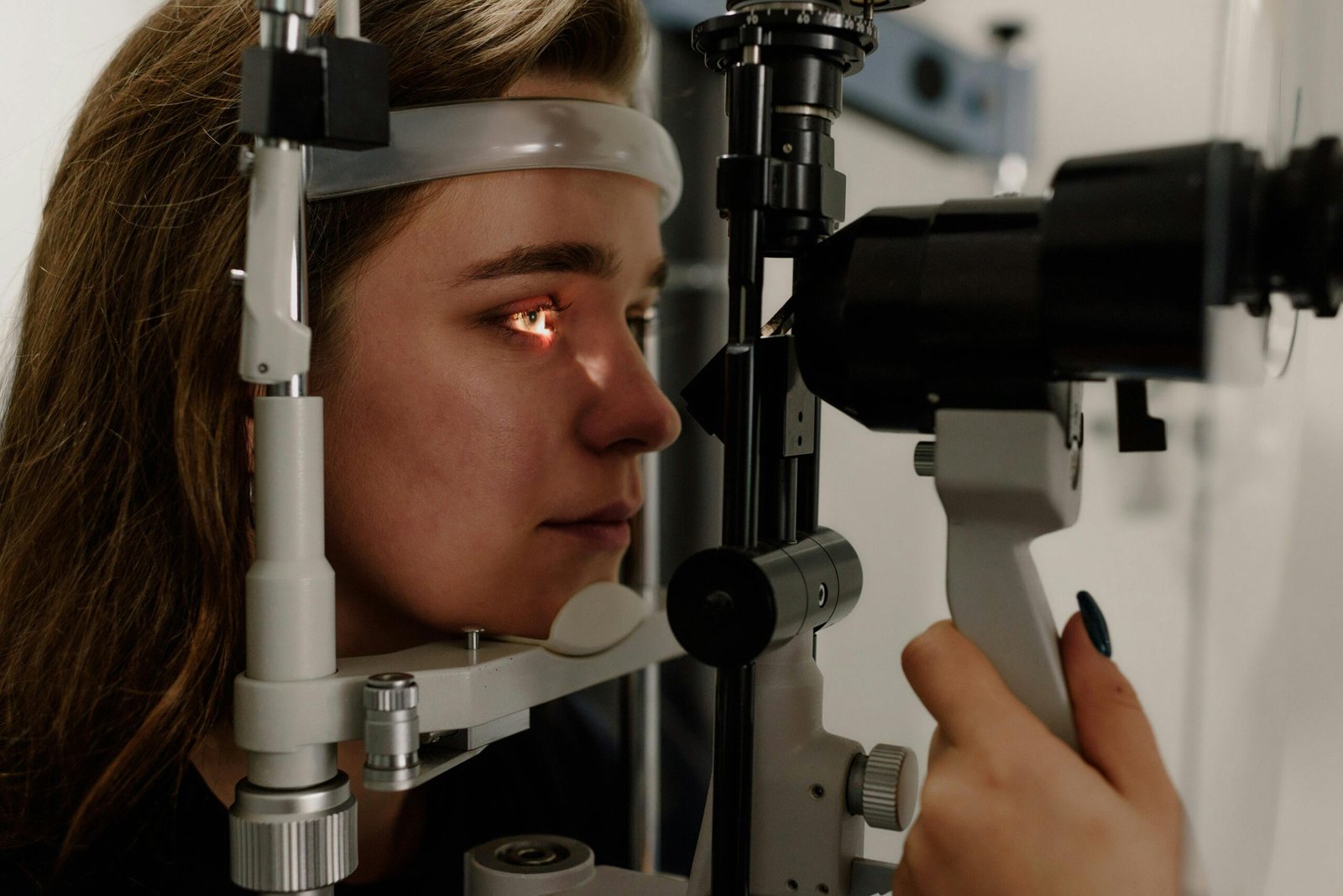
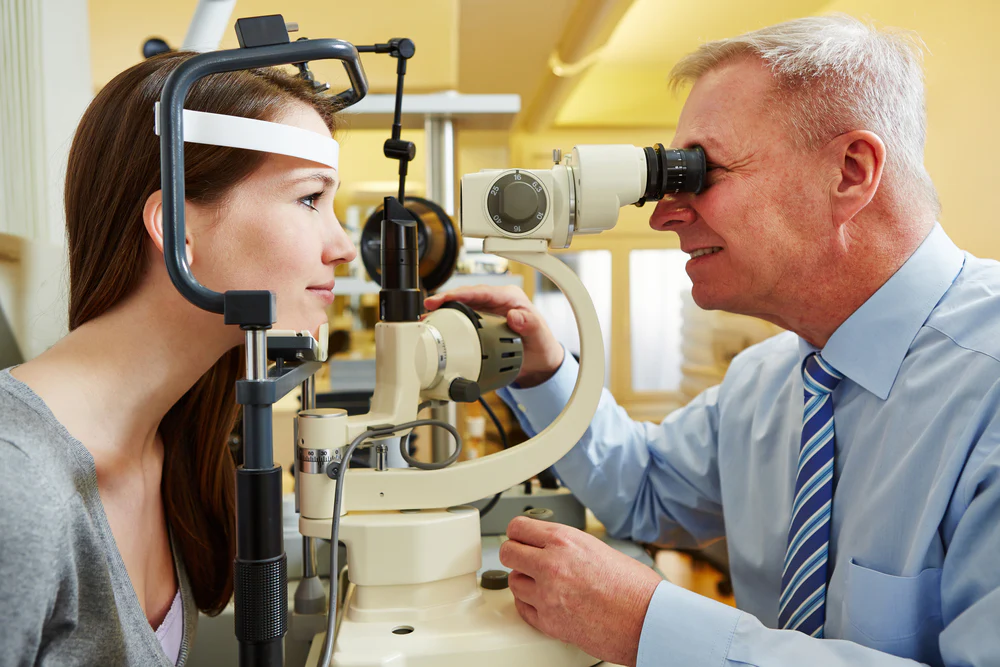
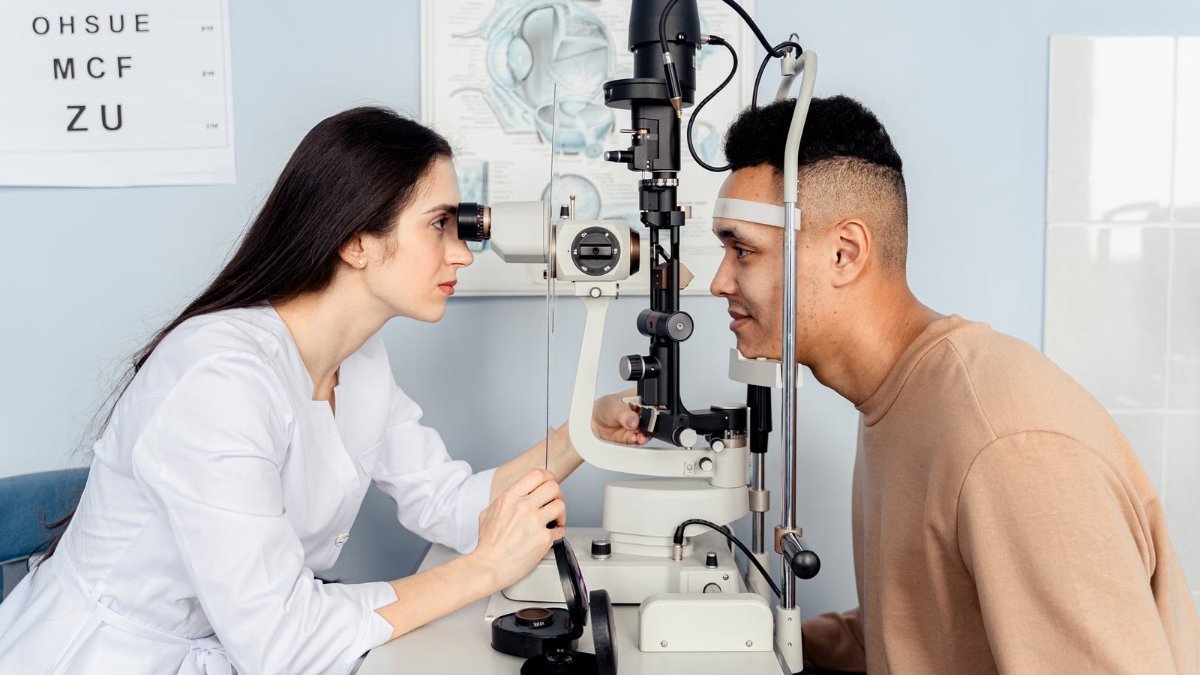
- Slit lamp examination of the cornea, iris and lens to look for cataracts or corneal problems.
- Dilated retinal exam to check the optic nerve, blood vessels and retina for disease.
The American Academy of Ophthalmology recommends that adults with no symptoms or risk factors get a baseline eye disease screening at age 40, when early signs of disease and vision changes are more likely to start. People with diabetes, high blood pressure or a family history of eye disease often need exams more often. You can read the AAO screening guidelines for more detail.
How Are Cataracts and Glaucoma Treated?
Cataracts are treated with surgery that replaces the cloudy natural lens with a clear artificial lens, while glaucoma is managed by lowering eye pressure with drops, laser treatment or surgery. Both conditions become more common with age, and both benefit from early diagnosis and an experienced surgical team.
Cataract Care
A cataract clouds the eye’s lens, causing blurry vision, glare and faded colors. Modern cataract surgery is one of the most commonly performed procedures in medicine. Patients can often choose between standard lenses and premium lens implants that also correct astigmatism or reduce the need for reading glasses.
Glaucoma Care
Glaucoma damages the optic nerve, often because of high pressure inside the eye. Vision lost to glaucoma cannot be restored, so the goal is to stop it from getting worse. Treatment ranges from prescription eye drops to laser procedures and surgery. This is where subspecialty training matters, since glaucoma management is a long-term relationship rather than a one-time fix.
What Treatments Exist for Retinal and Corneal Disorders?
Retinal disorders such as macular degeneration, diabetic retinopathy and retinal detachment are treated with injections, laser therapy or surgery, depending on the condition. Corneal disorders, including keratoconus, scarring and corneal dystrophies, may be managed with specialty lenses, corneal cross-linking or corneal transplantation.
Corneal and anterior segment disease is a specialized field. At Intermountain Eye Centers, fellowship-trained cornea surgeon brent betts treats corneal and anterior segment conditions and performs corneal transplantation, routine and complex cataract surgery, and refractive procedures. Having specialists like this in the same practice means patients with complex problems do not have to start over with a new provider.
LASIK vs PRK vs ICL: Which Refractive Procedure Is Right for You?
The right refractive procedure depends on your prescription, corneal thickness, lifestyle and eye health. LASIK suits most people with healthy, thick enough corneas. PRK is often better for thin corneas or contact sports. ICL works well for very high prescriptions or people who are not candidates for laser surgery.
| Procedure | How It Works | Often a Good Fit For |
|---|---|---|
| LASIK | A thin corneal flap is created, and a laser reshapes the cornea underneath. | People wanting fast recovery with suitable corneal thickness. |
| PRK | The surface layer of the cornea is removed and the laser reshapes the cornea directly; no flap. | Thinner corneas, active lifestyles or contact sports. |
| ICL | A lens is implanted inside the eye in front of the natural lens; no corneal tissue is removed. | High nearsightedness or people who are not laser candidates. |
A careful pre-surgery evaluation is the most important step. A reputable practice will tell you honestly if none of these procedures is right for you. The U.S. Food and Drug Administration offers a helpful overview of what to expect before and after LASIK.
What Do Optical Services and Oculoplastic Care Include?
Optical services cover eyeglasses, sunglasses and contact lenses, including fittings for specialty lenses. Oculoplastic care treats the structures around the eye, such as drooping eyelids, eyelid lesions, tear duct blockages and problems with the eye socket. Some oculoplastic procedures are cosmetic, but many are medically necessary because drooping lids can block vision.
Keeping optical services inside the same practice also helps accuracy. Your prescription goes straight from the exam room to the optical team, which reduces errors and makes adjustments easier.
How Does Patient-Focused Care Protect Long-Term Vision?
Patient-focused care protects vision by keeping every part of a person’s eye health connected. Your history, test results and treatment plans stay in one place, so changes are spotted early and specialists can work together. That continuity is what turns individual appointments into long-term visual clarity.
In practice, patient-focused eye care looks like this:
- Clear explanations of diagnoses and treatment options.
- Easy referral to subspecialists within the same practice.
- Advanced diagnostic imaging that tracks small changes over time.
- Follow-up schedules built around each patient’s risk factors.
- Multiple locations that make regular visits easier to keep.
How Do You Choose a Comprehensive Eye Care Provider?
Choose a provider whose doctors are board certified, whose team includes subspecialists for the conditions you are most likely to face, and who offers both medical and surgical care. Look at provider bios for fellowship training, check that the practice handles everything from exams to surgery, and pay attention to how clearly they explain your options.
- Confirm board certification and subspecialty training.
- Check the range of services, from routine exams to surgery.
- Ask about the technology used for diagnosis and treatment.
- Read patient reviews and ask about follow-up care.
- Consider location and scheduling for regular visits.
Frequently Asked Questions
How often should I get a comprehensive eye exam?
Most adults should have a baseline exam by age 40 and follow the schedule their eye doctor recommends after that. People with diabetes, glaucoma risk factors or a family history of eye disease usually need more frequent exams.
Is an eye exam the same as a vision screening?
No. A vision screening only checks how well you see. A comprehensive eye exam also checks eye pressure, the retina, the optic nerve and the front of the eye for disease.
Can cataracts come back after surgery?
A cataract cannot return because the natural lens is removed. Some patients develop clouding of the membrane behind the new lens, which is usually treated with a quick laser procedure.
Am I too old for LASIK?
There is no strict upper age limit, but age-related changes such as early cataracts may make lens-based options a better choice. A full evaluation will show which procedure fits your eyes.
Final Thoughts
Comprehensive eye care brings prevention, diagnosis, treatment and vision correction together in one place. Whether you need a routine exam, cataract surgery, glaucoma management or a refractive procedure, a full-service practice with experienced specialists gives you the best chance of protecting your eye health and enjoying clear vision for years to come.
- Comprehensive Eye Care Services: What They Include and Why They Matter
- Understanding the Benefits and Risks of Epidural Injections for Chronic Pain Relief
- Kratom in 2026: A Plain-Language Guide to Formats, Legal Status and Safety
- Plastic Surgery in South Korea: Facelift, Rhinoplasty and Facial Contouring
- How Leg Compression Massage Supports Post-Workout Relaxation
Table of content
- What Are Comprehensive Eye Care Services?
- Why Are Routine Eye Exams So Important?
- How Are Cataracts and Glaucoma Treated?
- What Treatments Exist for Retinal and Corneal Disorders?
- LASIK vs PRK vs ICL: Which Refractive Procedure Is Right for You?
- What Do Optical Services and Oculoplastic Care Include?
- How Does Patient-Focused Care Protect Long-Term Vision?
- How Do You Choose a Comprehensive Eye Care Provider?
- Frequently Asked Questions
- Final Thoughts