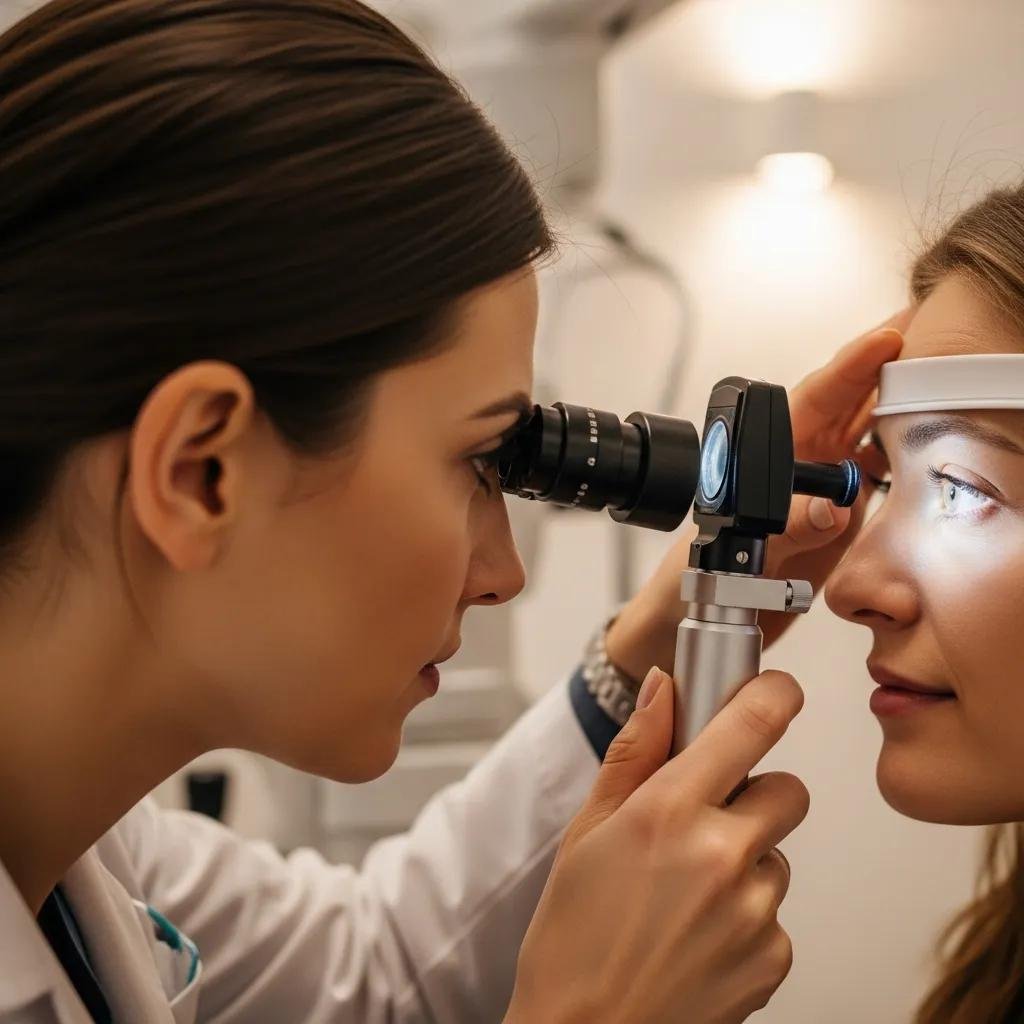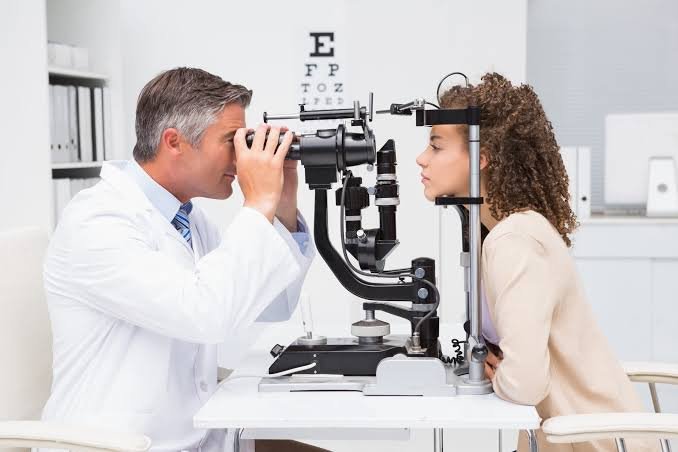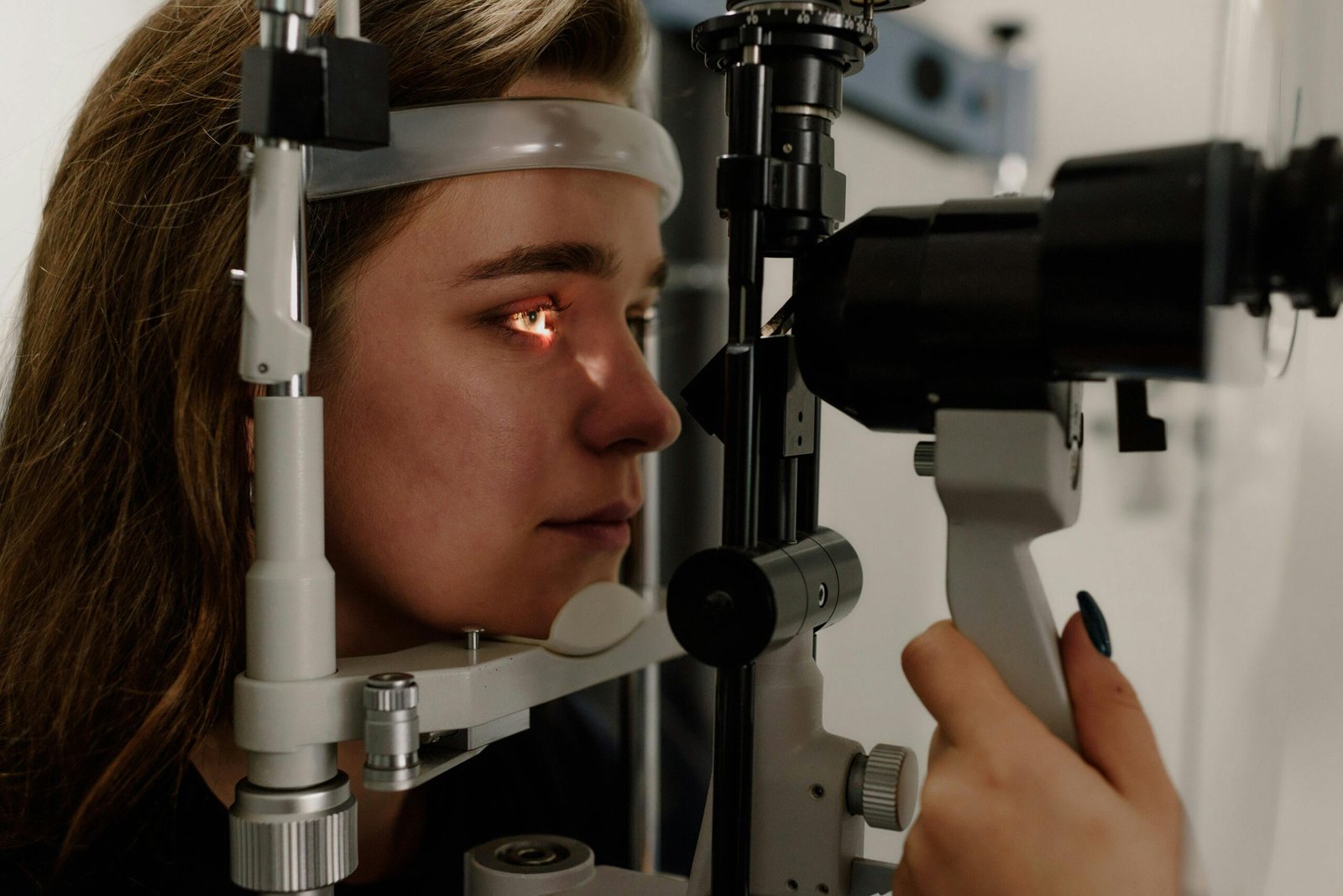
An ophthalmologist is a medical doctor who specializes in eye and vision care, and this training allows them to diagnose conditions and prescribe treatments, including surgery. They handle a wide range of concerns, from routine exams to complex procedures that address specific diseases. When you understand what you are looking for, you can match your situation to a provider with the appropriate expertise. Here is more information about ophthalmology services:
What Is Diabetic Eye Care?
Diabetic eye care focuses on the eye conditions that can develop in people who have diabetes. High blood sugar levels can affect the small blood vessels in the retina over time. An ophthalmologist monitors these changes, and they employ regular exams and imaging to do this.
Because diabetes can influence vision gradually, many people do not notice symptoms in the early stages. This is one reason routine checkups matter, and an ophthalmologist may recommend a schedule based on your individual situation. Tracking the health of your eyes over time gives your provider useful information about how your condition is progressing. Here are some symptoms to watch for if you have diabetes:
- Blurred or distorted vision
- Difficulty focusing
- Sudden loss of vision in one or both eyes
- Floaters or dark spots in your field of vision
- Fluctuating vision clarity
- Increased sensitivity to light
- Difficulty seeing at night or in low-light conditions
- Persistent eye pain or redness
What Is Glaucoma?
Glaucoma refers to a group of eye conditions related to the optic nerve. It is often associated with pressure inside the eye, though it can present in different ways. An ophthalmologist evaluates glaucoma using specialized tests that measure eye pressure and examine the optic nerve. Many types of glaucoma develop slowly and this is why regular monitoring is part of managing the condition. An ophthalmologist may use several tests during a single visit because each one provides a different piece of information. These measurements help your provider understand how your eyes are changing across appointments.
What Are Cataracts?
Cataracts occur when the natural lens of the eye becomes cloudy. This clouding can affect how clearly a person sees, and it tends to develop gradually with age. An ophthalmologist can identify cataracts during a standard eye exam.
Treatment for cataracts often involves a surgical procedure that replaces the affected lens, so many people look for a provider who performs this type of surgery. If you are looking into surgery, you may want to review a provider’s experience with the procedure and ask about what recovery involves. You can also ask about wait times for a specific type of surgery.
What Is Preventive Eye Care?
An ophthalmologist may suggest a checkup frequency based on the following factors:
- Your age
- Family history
- Existing health conditions
Keeping a consistent schedule gives your provider a clearer picture of your eye health over time. During these visits, you can also ask questions about your vision and any symptoms you have noticed.
Find an Ophthalmologist Today
Ophthalmologists offer many options for vision improvement and eye health. These physicians perform surgery and more advanced eye treatments, but they also offer vision correction with glasses and contacts. If you want to learn more about eye health and treatments, schedule an appointment with an ophthalmologist near you.
- Understanding the Causes and Symptoms of Plantar Fasciitis
- Why International Buyers Are Turning to a Buyer’s Brokerage in Panama
- How EMDR Therapy Facilitates Healing From Past Experiences
- Exploring the Benefits of IV Therapy for Enhanced Hydration and Wellness
- How To Get a Medical Marijuana Card and What To Expect During the Process