Kratom has gone from a little-known Southeast Asian plant to something sold in smoke shops, gas stations and online stores across the US. It is also the subject of heated debate. Some adults say they use it as part of their daily routine, while regulators warn about safety risks, and the legal picture has shifted noticeably during 2026.
This guide is not a recommendation to use kratom. It explains what the product is, how the main formats differ, where the law stands and how adults who choose to buy it can reduce avoidable risks.
What Is Kratom?
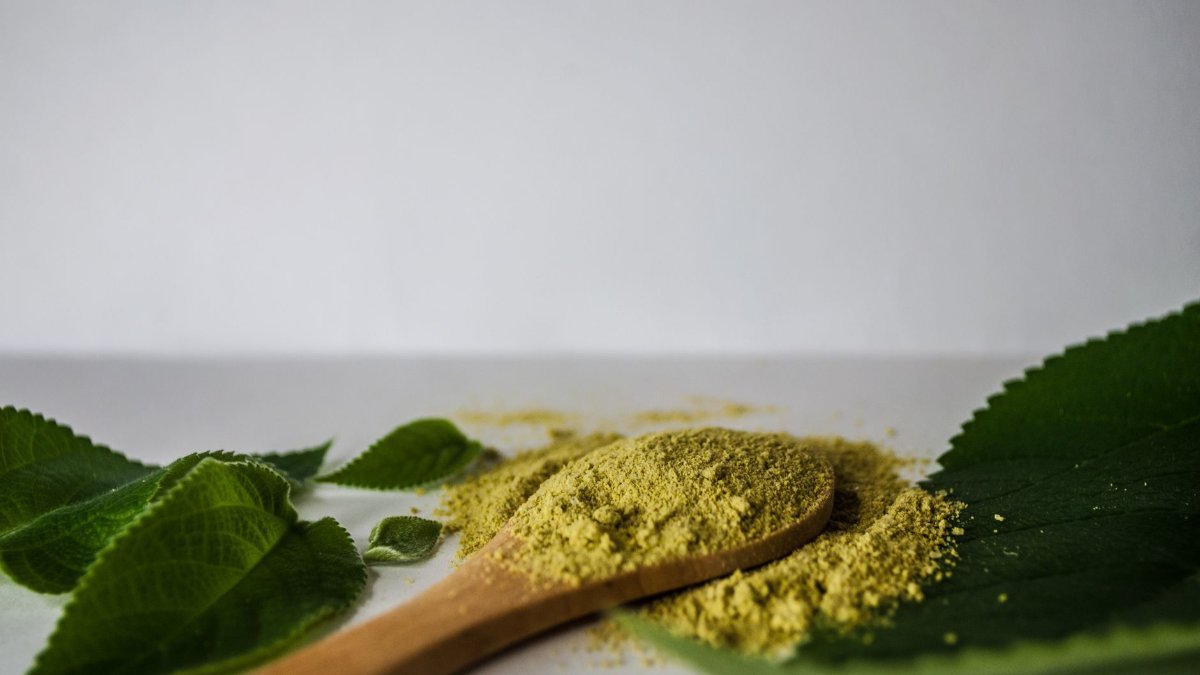
Kratom comes from the leaves of Mitragyna speciosa, a tropical tree in the coffee family native to Southeast Asia. The leaves contain alkaloids, the best known being mitragynine, along with small natural amounts of a related compound called 7-hydroxymitragynine, or 7-OH. Traditionally, the leaves were chewed or brewed. Today, most kratom sold in the US is dried, ground leaf sold in various forms.
The Main Product Formats
Kratom products differ mainly in how the leaf is prepared and packaged:
- Powder: finely ground dried leaf, the most common format
- Crushed leaf: coarser leaf, often used for tea
- Capsules: pre-measured powder in capsules
- Tablets: compressed powder in tablet form
- Liquids and extracts: concentrated products made by extracting alkaloids from the leaf
The first four are all forms of whole leaf. Extracts and concentrated liquids are different, because they can contain much higher levels of active compounds, which is exactly where regulators are focusing their attention.
Retailers that list their full range of Authentic Kratom products by format make it easier to see these differences, and to check whether a seller provides lab testing information for each product.
Where the Law Stands
At the federal level, the kratom leaf itself is not a controlled substance. However, the FDA does not consider kratom lawfully marketed as a dietary supplement, food or drug, and it has repeatedly warned consumers about its risks.
In 2026, federal attention shifted sharply toward concentrated and synthetic products. The Drug Enforcement Administration placed several kratom-related synthetic compounds in Schedule I and moved to schedule 7-OH above certain concentration thresholds, while leaving natural botanical kratom outside the proposal. The Congressional Research Service’s overview of temporary control of 7-OH and other kratom-related substances explains these notices and what temporary scheduling means legally.
State law adds another layer. Some states ban kratom entirely, others set minimum ages or require labeling and testing, and some cities and counties have their own rules. Always check the law where you live before buying.
Safety Considerations for Adults
Kratom is not risk-free. The FDA has warned about reports of serious adverse events, including liver problems, seizures and substance use disorder, and about contaminated products. Adults who choose to use kratom can reduce some avoidable risks by:
- Talking to a doctor first, especially if they take prescription medicines or have health conditions.
- Avoiding products marketed as “enhanced,” “extra strength” or containing added 7-OH.
- Buying only from sellers who publish independent lab results for contaminants and alkaloid content.
- Never combining kratom with alcohol, opioids, sedatives or other substances.
- Keeping all products away from children and pets.
- Seeking help if use starts to feel hard to control.
Pregnant or breastfeeding people and anyone under 21 should not use kratom.
What Good Sellers Do Differently
Responsible vendors make information easy to find. They list the origin of their kratom, publish certificates of analysis from independent labs, avoid health claims, follow state age restrictions and do not ship to places where kratom is banned. If a seller promises medical benefits or cures, that is a red flag.
Knowing Before You Buy
Kratom sits in a legal and scientific gray zone that is changing quickly. Whole-leaf products remain federally legal for now, while concentrated 7-OH products are under increasing federal control, and states continue to set their own rules. Adults who decide to buy kratom should understand the format they are choosing, check local law, insist on lab-tested products and talk to a healthcare professional about the risks.
This article is general information and is not medical or legal advice. Kratom is not approved by the FDA for any use. Last reviewed November 2026.
- Kratom in 2026: A Plain-Language Guide to Formats, Legal Status and Safety
- Plastic Surgery in South Korea: Facelift, Rhinoplasty and Facial Contouring
- How Leg Compression Massage Supports Post-Workout Relaxation
- International logistics for fertility programmes – ARK.CRYO
- The Growing Market for Nootropic Pouches: Ingredients, Innovation and Consumer Trends