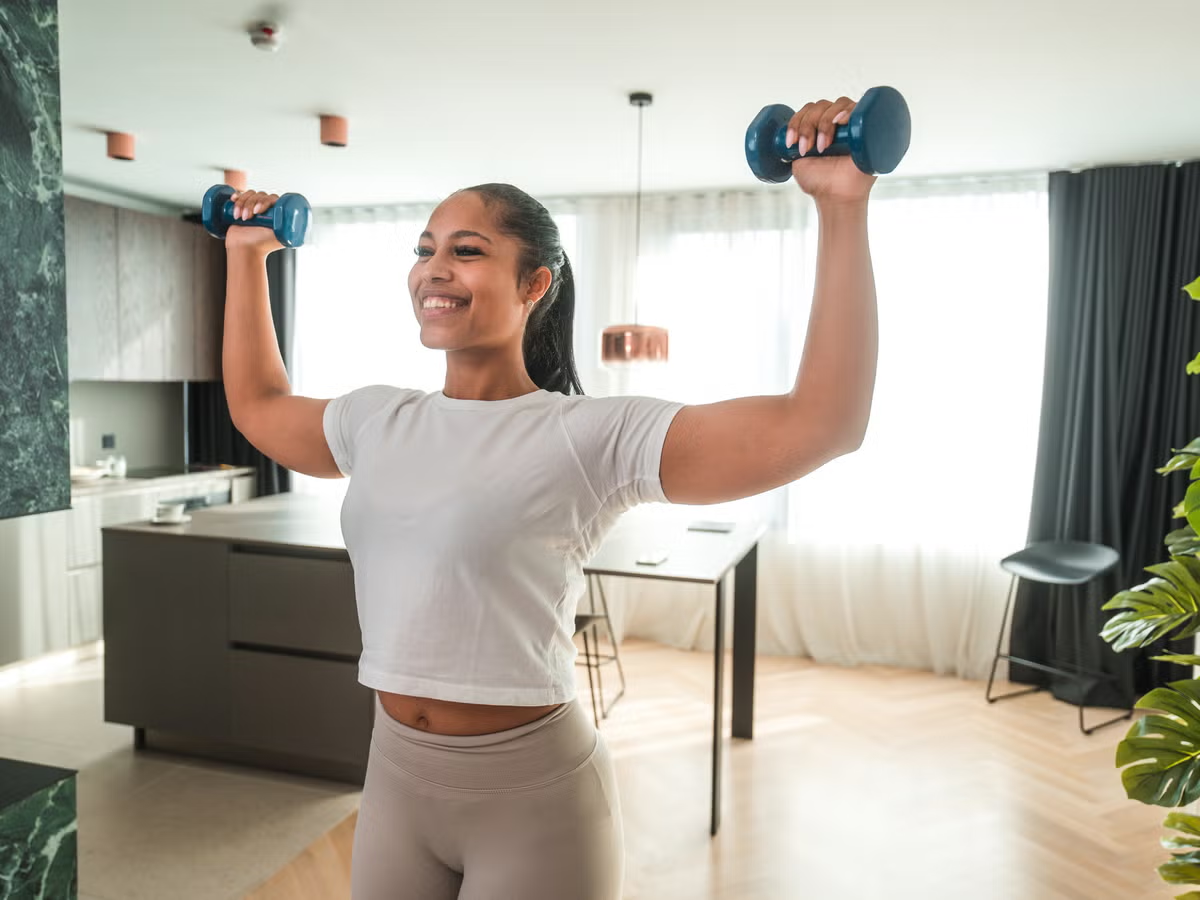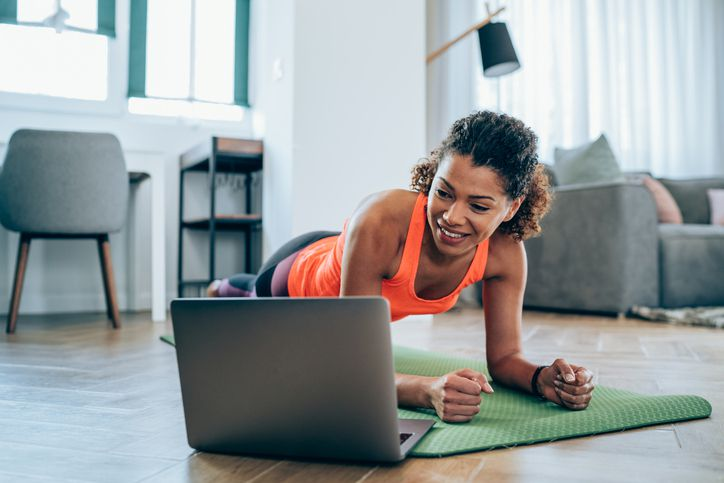
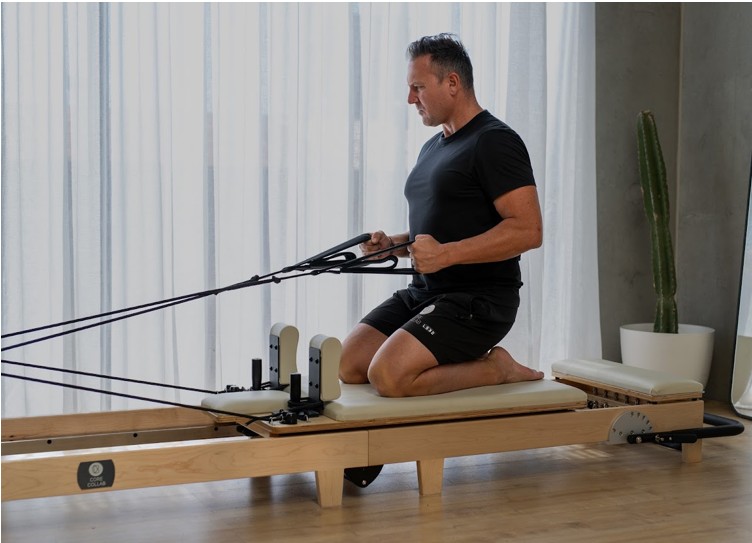
Home fitness used to be a lot simpler. A mat in the spare room felt like enough. Maybe there were a few dumbbells under the bed, or an exercise band stuffed in a drawer. That still works for some people, but expectations are different now. People want more from home workouts. They want structure. They want a session that feels worth the effort. Most of all, they want equipment that does not turn into an expensive reminder of good intentions.
That is one reason reformer training keeps moving into home spaces. It gives a workout shape. It adds resistance without needing a full gym setup. It can also make a session feel more focused from the start. Instead of piecing together random exercises, people can follow a clearer flow and get through a proper full-body workout in one place.
Start With The Workout, Not The Machine
A lot of people shop in reverse. They begin with the frame, the colour, or the overall look. They scroll through photos and picture the machine in a neat room with natural light and no clutter. That part is easy. It is also where bad decisions start.
The more useful question is how the session should feel. Some people want stronger legs and glutes. Some care most about core strength. Others want a workout that feels intense but does not involve jumping, pounding, or high-impact cardio. Those goals may overlap, but they are not identical. That matters because not every home setup is built for the same kind of training.
It usually helps to get specific early. Is the goal longer holds and slower tension? Is it a stronger burn through the lower body? Is it more control and balance? Once that becomes clear, the shopping process gets easier. The focus shifts from appearance to function, which is where it should be.
Low Impact Does Not Mean Easy
This is one of the biggest points people get wrong. “Low impact” sounds gentle. It sounds light. It sounds like something that might be good for a recovery day, but not for a serious workout. That idea misses the whole point.
A hard reformer session can be very demanding. Legs can shake. The core can light up quickly. Slower movements can feel tougher than they look. The difference is not a lack of effort. The difference is where the effort comes from. Instead of impact, the challenge comes from resistance, tempo, control, and time under tension.
This appeals to people who want a hard workout without putting extra stress on the knees, hips, or lower back, especially since the right mix of exercise can help ease stiffness, improve mobility, and build strength over time.
For people exploring a good reformer machine, that middle ground is often the main appeal. It offers more challenge than basic mat work, but it still feels more controlled than a lot of high-impact options.
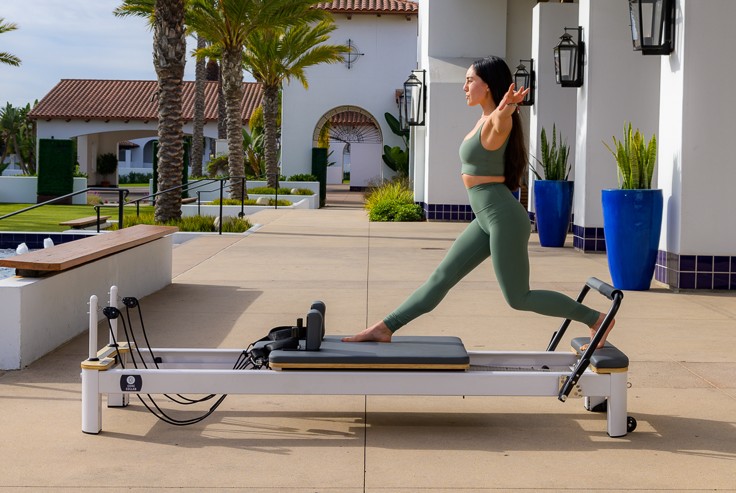
Be Honest About Space At Home
This is the part many buyers underestimate. On paper, the machine fits. In practice, the room suddenly feels cramped. Furniture gets in the way. The setup looks fine in the photo, but awkward in everyday life. That can turn a good purchase into something frustrating.
It helps to think beyond the product image. Measure the floor space properly. Think about how the room actually works on a normal day. Is there enough room to move around the machine? Will it stay out, or will it need to be moved each time? Will it be easy to get to when the day is busy, or will it become one more thing that feels like effort before the workout even begins?
Those details matter more than people like to admit. Convenience is not a flashy selling point, but it often decides whether equipment gets used. A machine that fits naturally into the home stands a much better chance of becoming part of a routine than one that constantly needs to be set up, shifted, or worked around.
Convenience sounds less exciting than performance, but it matters just as much, and current physical activity guidelines note that even small amounts of activity throughout the day can still have health benefits.
Match It To The Kind Of Training You Actually Enjoy
Not everyone enjoys the same pace or style of workout. Some people prefer slower sessions with more mobility work and control. Others want something that feels more athletic, more intense, and closer to strength training. Neither approach is wrong, but mixing up those goals is a common reason for buyer regret.
This matters even more when people are looking for a stronger setup at home. Some do not just want movement for the sake of movement. They want a real challenge. They want longer muscle engagement, a deeper burn, and a session that feels closer to a hard studio workout than a gentle stretch class.
That is where it helps to ignore noise and focus on training style. The better choice is usually not the machine with the biggest buzz. It is the one that supports the kind of workout a person will genuinely want to repeat. A setup can look impressive and still miss the mark if the training style feels wrong after the first few weeks.
Think About The Second Month, Not Just The First Week
Fitness equipment is often bought in a burst of motivation. That is normal. The more useful test is what happens later, when the excitement fades, and the routine becomes ordinary. That is when the machine has to prove itself.
The best home setup is rarely the one that looks most impressive at first glance. It is usually the one that feels realistic to use again and again. It suits the home, the person, and the kind of training that can actually happen on a regular week, not just an ideal one.
A stronger at-home Pilates setup can absolutely be a smart buy. It can make short sessions more effective. It can support strength, control, and consistency without relying on impact.
- Understanding the Role of Pediatric Orthopedic Specialists in Children’s Health
- Navigating the Process of STD Testing
- When Should You See an Orthopedic Specialist for Hand Pain?
- Understanding the Different Types of Chemical Peels and Their Uses
- The Science of Skin Elasticity: Unlocking Youthful Texture with Bioactive Peptide Complexes