
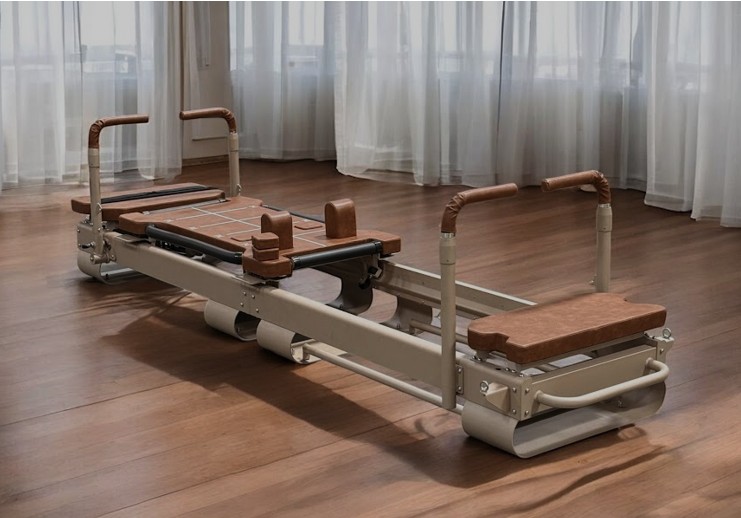
A home studio can be more than a yoga mat in the corner. With the right setup, it can support real strength gains, stronger core control, and conditioning that does not beat up joints. The difference is not how much equipment is owned. The difference is how well the space is designed for repeatable workouts.
The smartest home setups reduce friction. The space feels easy to step into, easy to clean, and easy to use even on busy days. That is what keeps training consistent.
This guide breaks down how to set up a home studio that feels like a plan, not a pile of gear. It focuses on layout, essentials, smart upgrades, and how to build sessions that train strength, core, and conditioning in one week.
Start With the Goal and Work Backwards
Most home gyms fail because the setup is random. A treadmill gets bought, then dumbbells, then a band set. None of it matches a clear plan, so workouts bounce around and motivation drops.
A better start is deciding what the space needs to deliver. For strength, the space needs progressive resistance, and ACSM guidance on progression explains why planned increases in load and training demand are key for strength gains. For the core, it needs control-based movements and stable positions. For conditioning, it needs repeatable circuits that raise heart rate without needing long sessions.
That combination points toward low-impact, high-tension training. It works well for busy schedules because sessions can be short and still effective. It also suits people who want intensity without constant jumping.
Layout That Makes Training Feel Effortless
A home studio does not need a huge room. It needs a clean training zone with clear movement space. If the space is cramped, workouts feel stressful. If setup takes five minutes, workouts get skipped.
A simple layout works best:
- A clear training rectangle with room to move arms and legs
- One wall kept open for quick posture checks
- Storage that keeps small items off the floor
- A small “reset spot” with wipes, a towel, and water
Lighting matters more than most people expect. Bright overhead lighting can feel harsh. Softer lighting can make the room feel calmer, which helps consistency. Ventilation matters too. Training feels harder in a hot, stale room, and recovery feels worse.
The Core Equipment Stack That Covers Everything
The goal is not owning more gear. The goal is owning the right mix. A smart setup covers three needs: load, control, and variety.
A practical base kit includes a mat, a resistance band, and one adjustable load option. That can be adjustable dumbbells or kettlebells. This covers many strength and core basics.
The next step is choosing one “main machine” that adds range and progression. For many people, a reformer-style machine fits that role because it supports full-body strength, controlled core work, and conditioning with smooth resistance. It also makes variety easy, which is key for long-term adherence.
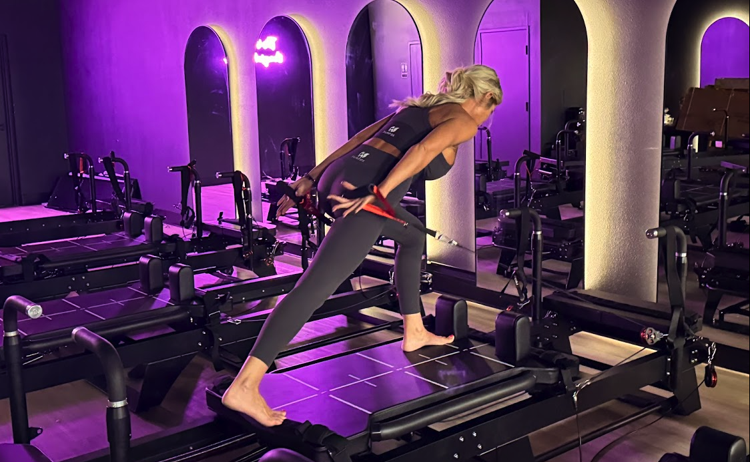
High-intensity reformer-style training has become popular, and many people search for studio-inspired formats when they want that stronger burn. Those formats often use trademarked machines and branded methods. A Sculptformer is a high-intensity reformer-style option built for strong resistance and structured programming while staying low-impact.
For anyone comparing options in that category, a useful reference is a premium megaformer for sale option that supports progressive resistance and home-friendly training.
Accessories That Make a Big Difference
A main machine is only part of the setup. The right accessories improve comfort and unlock more training variety. The wrong accessories create clutter.
The best add-ons are the ones that solve common problems. Wrist comfort, knee support, and grip choices can change how often the equipment gets used. A padded platform, stable handles, and quality straps can improve control and reduce irritation for shoulders and elbows.
Flooring is another overlooked upgrade. Slippery floors reduce confidence. Hard floors can feel harsh on knees and hands. A stable surface makes controlled training easier and safer.
Build a Weekly Plan That Trains Everything
A home studio should support a clear weekly rhythm. Without structure, sessions become random, and progress slows. A simple plan can train strength, core, and conditioning across four sessions, with room for rest.
Here is a practical weekly rhythm:
- Two strength-focused sessions
- One conditioning-focused session
- One core and mobility session
The Strength Session Template
Strength sessions should feel simple and measurable. Progress is easiest when the same patterns repeat each week.
A clean template includes:
- Lower-body push or hinge pattern
- Upper-body pull pattern
- Upper-body push pattern
- Core stability finisher
Conditioning Without Jumping
Conditioning does not require impact, and joint-friendly low-impact training is often recommended to stay active while reducing stress on knees, hips, and ankles. It requires sustained effort. The best home conditioning sessions use intervals with smooth transitions and exercises that keep the heart rate up without turning the workout into chaos.
A practical format is 30 seconds work, 30 seconds rest, for 12 to 16 rounds. Choose movements that keep the form stable. Controlled resistance training can work here because it raises heart rate while keeping the joints calmer.
This is where reformer-style equipment shines. Resistance stays on. The body works hard, but impact stays low. Over time, conditioning improves without the “wrecked” feeling that often follows high-impact circuits.
Core Training That Carries Over to Everything
Core work should not be endless crunching. The core’s main job is stability. It keeps the ribcage stacked over the pelvis, helps transfer force, and protects the lower back under load.
Better core work focuses on:
- Anti-extension control (avoiding rib flare)
- Anti-rotation control (resisting twisting)
- Hip stability (glutes supporting pelvis position)
These skills improve lifting, posture, and athletic movement. They also make conditioning feel easier because the body wastes less energy on poor mechanics.
Make the Studio Easy to Maintain
A home studio gets used more when it stays clean and ready. Maintenance does not need to be complicated. It needs to be fast.
A simple reset routine helps:
- Wipe contact points after sweaty sessions
- Put accessories back in one basket
- Keep a spare towel in the room
- Do a quick weekly check for loose parts and wear
The Smartest Upgrade Is Consistency
A perfect home studio does not exist. The best home studio is the one that makes training happen, even when motivation is low. That means easy access, simple layouts, and a clear weekly plan that feels realistic.
Strength improves when the load is progressive. Core control improves when movement stays clean. Conditioning improves when effort is repeated consistently. A smart setup supports all three without making training feel like a project.
Build the space to be used, not photographed. When the space feels easy to step into, results follow.
- Choosing a Heart Blockage Treatment Hospital: Emergency Care, Procedures and Long-Term Support
- Exploring the Benefits of Family Dentistry for All Ages
- The Role of TMS Therapy in Managing Anxiety Disorders
- The Role of Foot and Ankle Specialists in Sports Injury Recovery
- What To Expect During Your First Gynecologist Appointment
Table of content
- Start With the Goal and Work Backwards
- Layout That Makes Training Feel Effortless
- The Core Equipment Stack That Covers Everything
- Accessories That Make a Big Difference
- Build a Weekly Plan That Trains Everything
- The Strength Session Template
- Conditioning Without Jumping
- Core Training That Carries Over to Everything
- Make the Studio Easy to Maintain
- The Smartest Upgrade Is Consistency