Comparing hair-loss treatments can be overwhelming because the category includes medications, in-office procedures, home devices, and surgical options. The most useful question is not simply which treatment is “best,” but which approach fits the cause of the hair loss, the condition of the remaining follicles, and the person’s goals. For readers considering platelet-based treatment, this discussion of does PRF work explains why candidacy and realistic expectations matter. Hair loss is a symptom, not one diagnosis. Pattern hair loss, stress-related shedding, autoimmune conditions, traction alopecia, scarring alopecia, and hair-shaft breakage can look similar at first. A thoughtful plan starts by identifying what is happening before committing to a procedure, prescription, or treatment package.
Why Hair Loss Treatment Should Begin With The Cause
A provider may ask when the shedding began, whether it was gradual or sudden, whether close relatives have thinning hair, and whether there were recent illnesses, medication changes, weight changes, hormonal shifts, or major stressors. A scalp examination can also reveal inflammation, breakage, scaling, or changes in follicle density. The American Academy of Dermatology notes that effective treatment for hair loss begins with finding the cause, which is especially important when symptoms are new or changing quickly.
Step One: Identify The Pattern Of Hair Loss
The location and speed of hair loss can offer useful clues before a consultation. A widening part or diffuse thinning may differ from a receding hairline or crown loss. Sudden heavy shedding may follow a physical or emotional stressor, while small smooth patches can signal a different process entirely.
- Widening part, reduced ponytail volume, or diffuse thinning
- Receding temples, crown thinning, or a changing hairline
- Sudden shedding that is noticeably greater than usual
- Round or patchy areas of hair loss
- Itching, redness, pain, scaling, or scalp tenderness
- Broken hairs that may point to styling, chemical, or traction-related damage
Patchy loss, rapid shedding, scalp discomfort, or visible inflammation should not be treated solely as a cosmetic concern. Those signs can warrant evaluation for an underlying medical or scalp condition.
Step Two: Compare The Main Treatment Categories
Topical Treatments And Prescription Medicines
Topical minoxidil is commonly used for some cases of pattern hair loss. It requires regular application, and visible changes can take several months. Some people experience scalp irritation, unwanted hair growth outside the scalp, or an early change in shedding. Prescription options may include finasteride, spironolactone, or oral minoxidil, depending on the diagnosis, health history, current medications, and pregnancy considerations. A prescriber should discuss side effects, monitoring, and the appropriateness of long-term use.
PRP And PRF Injections
Platelet-rich plasma, or PRP, and platelet-rich fibrin, or PRF, are prepared from a person’s own blood and injected into areas of thinning. Their preparation methods differ, including the components concentrated in the final product and how they are delivered. These treatments are generally considered for areas where follicles remain active, not for long-standing smooth bald areas. Plans often involve multiple sessions and follow-up rather than a one-time appointment.
Low-Level Light Therapy And Microneedling
Low-level light therapy may be offered through home devices or clinical treatments. Consistent use is important, so buyers should consider device instructions, eye-safety guidance, return policies, and whether professional support is available. Microneedling creates controlled micro-injuries in the scalp and may be combined with other therapies. Ask who performs the procedure, how infection control is handled, what depth is used, and what aftercare is required.
Hair Transplantation
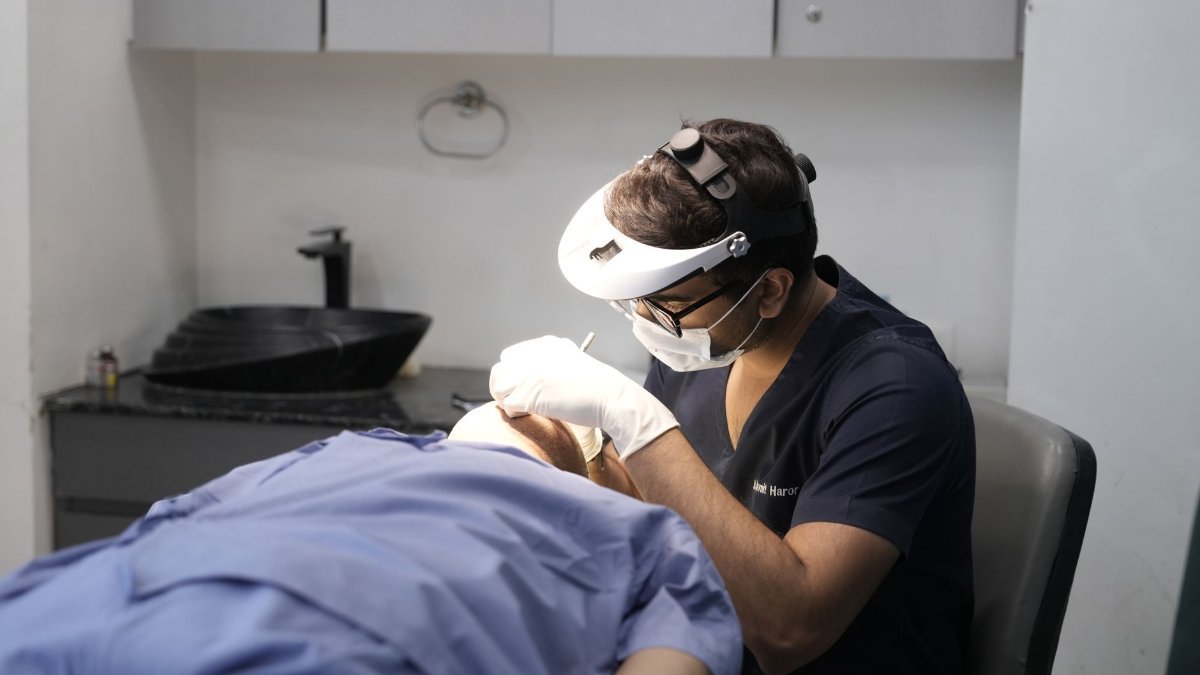
Hair transplant surgery moves follicles from a donor area to a thinning area. It requires adequate donor hair, a careful assessment of future hair loss, and a plan to protect non-transplanted hair. Surgery may offer improved coverage for suitable candidates, but it involves recovery, cost, and a greater commitment than non-surgical options.
Where PRF May Fit Into A Treatment Plan
PRF may be considered for early-to-moderate thinning when follicles are still producing hair. The goal may be to support existing follicles, improve perceived density, or complement a broader plan. It is not designed to restore every lost follicle or independently reverse complete baldness. Scalp health, the stage of loss, medications, medical history, and willingness to follow a maintenance plan can all affect whether it is a reasonable option.
What The Research Can And Cannot Tell You
Hair-restoration research can be difficult to compare because studies may use different diagnostic criteria, preparation methods, treatment schedules, and outcome measures. When reviewing a claim, look for controlled research, standardized photographs or hair counts, adequate follow-up, and clearly reported side effects. The International Society of Hair Restoration Surgery emphasizes that a root-cause assessment helps match treatment choices to the type of hair loss rather than relying on a one-size-fits-all approach.
How Long Should Results Take?
- Before treatment: Take consistent photographs and record medications, shedding patterns, and recent health changes.
- First few weeks: Watch for expected short-term effects such as tenderness, redness, irritation, or changes in shedding.
- One to three months: Focus on consistency and scalp tolerance rather than dramatic visible change.
- Three to six months: Compare photos taken under the same conditions and review progress with the provider.
- Six months and beyond: Decide whether to continue, adjust, or add maintenance care based on documented results.
Questions To Ask Before Choosing A Provider
- What is the most likely cause of my hair loss?
- What findings support that assessment?
- Do I need testing or a dermatology referral?
- Why is this treatment recommended instead of another option?
- How many sessions, follow-up visits, and maintenance treatments are expected?
- How will progress be measured?
- What result is realistic for my current stage of hair loss?
- What are the common risks, side effects, and total first-year costs?
Red Flags In Hair Loss Marketing
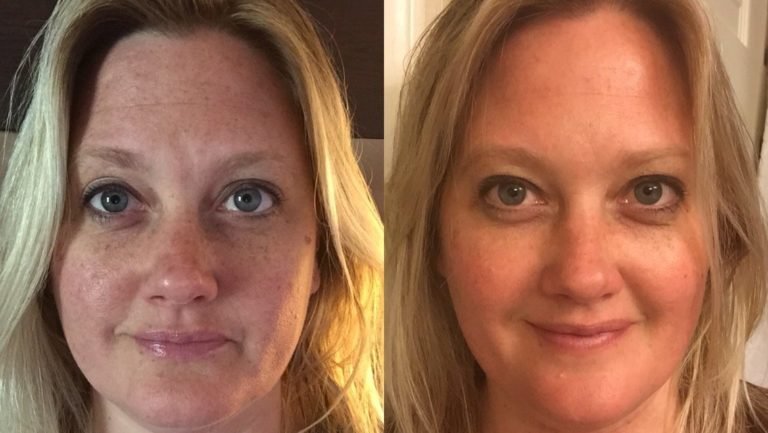
Be cautious with guaranteed regrowth claims, promises that one session will solve ongoing hair loss, or before-and-after images with inconsistent lighting and angles. Other concerns include packages sold before an examination, vague references to “growth factors” without an explanation of limitations, and pressure to purchase immediately. A credible provider should explain alternatives, expected maintenance, and what happens if the treatment does not help.
How To Track Progress At Home
Take photographs monthly in the same room, using the same lighting, angle, hair part, and camera distance. Record changes in shedding, scalp symptoms, illnesses, supplements, medications, and major stressors. These details provide a more reliable record than checking the mirror every day and can make follow-up conversations more productive.
Conclusion: Choose The Plan That Fits The Diagnosis
Choosing an effective hair-loss treatment requires more than following the latest trends or selecting the option with the most advertising. A suitable approach should begin by identifying the underlying cause of hair loss, since factors such as genetics, hormonal changes, medical conditions, medications, and lifestyle habits can influence which treatments are appropriate. The stage and pattern of hair loss, the condition of the scalp, and the health of the remaining hair follicles should also be considered before deciding on a treatment plan. Some options may focus on slowing further hair loss, while others aim to support regrowth or restore areas where hair has become noticeably thinner. It is important to discuss the potential benefits, limitations, costs, and possible side effects of each option with a qualified healthcare professional. Results may take time to become noticeable, so following the recommended schedule and attending regular follow-up appointments can help determine whether a treatment is working as expected. Keeping realistic expectations and documenting changes over time can also make progress easier to evaluate. With proper assessment, consistent care, and clear communication with a provider, individuals can make more informed decisions about hair restoration and choose an approach that reflects their needs and circumstances in 2026.
- What To Expect During Your Visit to the Dentist
- The Engineering Questions Behind data center liquid cooling
- How To Compare Hair Loss Treatments: A Practical Guide To Candidacy, Evidence, And Expectations
- Understanding the Options for Braces for Adults
- Factors To Evaluate When Choosing Dental Implants for Tooth Replacement
Table of content
- Why Hair Loss Treatment Should Begin With The Cause
- Step One: Identify The Pattern Of Hair Loss
- Step Two: Compare The Main Treatment Categories
- Where PRF May Fit Into A Treatment Plan
- What The Research Can And Cannot Tell You
- How Long Should Results Take?
- Questions To Ask Before Choosing A Provider
- Red Flags In Hair Loss Marketing
- How To Track Progress At Home
- Conclusion: Choose The Plan That Fits The Diagnosis