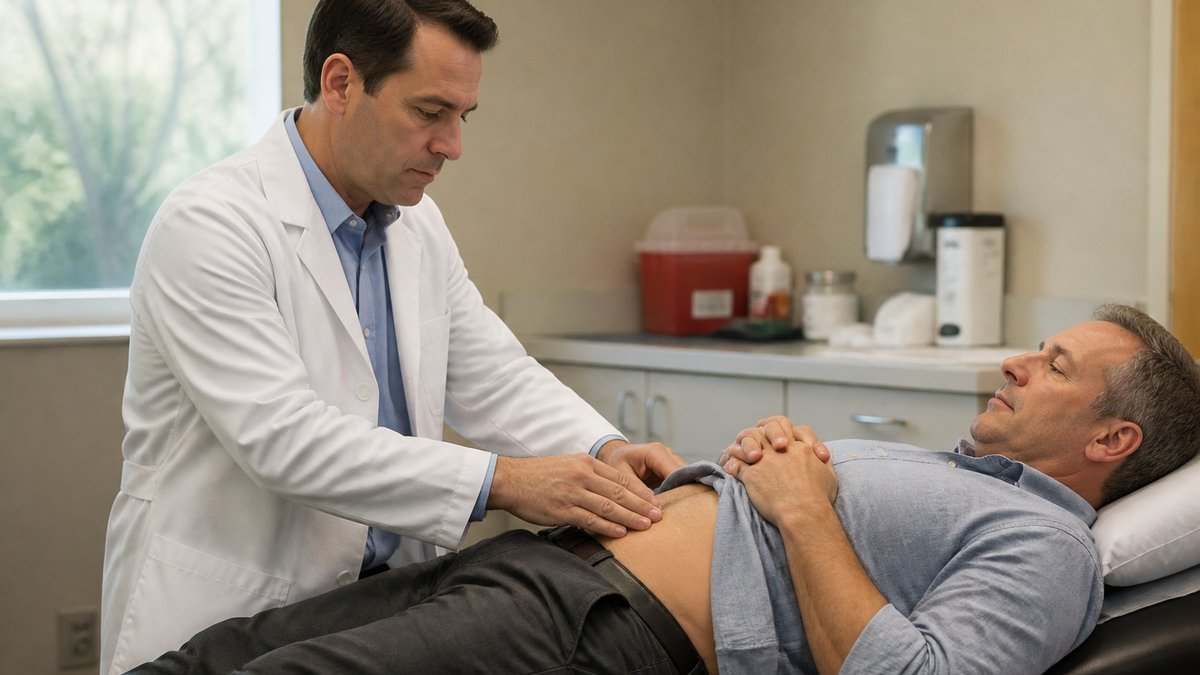
A colonoscopy is a medical procedure in which a doctor uses a thin, flexible tube fitted with a small camera to examine the inside of the colon and rectum. Providers may order it for routine screening, and it can also help investigate digestive concerns. Understanding what the process involves helps you follow your provider’s instructions closely and arrive fully prepared. Here are some things to know before a colonoscopy appointment:
Dietary Changes and Bowel Preparation
Dietary changes typically begin two to three days before your colonoscopy. Providers may ask you to avoid high-fiber foods, such as nuts, seeds, raw vegetables, and whole grains. The day before, you will switch to a clear liquid diet. Options may include:
- Water
- Clear broth
- Apple juice
- Black coffee or tea
Bowel preparation steps help clear the colon so the doctor has an unobstructed view. Your provider will prescribe a laxative solution and explain when to take it. Plans may split the dose between the evening before and the morning of the appointment; read your instructions thoroughly and follow the timing precisely. Plan to stay home near a bathroom once prep begins, as you will need to use the restroom frequently. Sharing a full medication list with your provider before prep begins is a key step. Blood thinners, diabetes medications, and iron supplements may need adjusted timing. Avoid stopping or modifying any medication without direct guidance from your provider.
Transportation and Time Off
Sedation during the colonoscopy prevents you from driving after the procedure. The facility may require a responsible adult to accompany you, not just meet you outside; confirm the policy with your facility and arrange your ride in advance. Plan to take the full day off from work and other obligations. Because recovery time varies, keeping your schedule clear gives you the flexibility you need. Contact your facility ahead of time to verify your arrival time and insurance coverage.
Packing List and Arrival
Gathering any required items the night before helps eliminate last-minute issues on appointment day. You may need to bring the following:
- Photo ID and insurance card
- A current list of medications, supplements, and allergies
- Your prep instructions and any completed intake forms
- Contact information for your driver
- Loose, comfortable clothing that is easy to change
- A case for glasses or contact lenses
Leave jewelry and valuables at home. When you arrive, staff will check you in, ask you to change into a gown, and walk you through the remaining steps. A nurse will review your health history and place an IV line; they should also confirm your consent before the exam begins.
During the procedure, you’ll lie on your side while the doctor examines your colon. The exam itself typically takes between 30 and 60 minutes, but your total visit may run longer. After the exam, staff will monitor you in a recovery area until the sedation wears off. The doctor may share preliminary findings before you leave, while results from any tissue samples generally take several days. Your care team will advise you on when to resume eating and which symptoms warrant a follow-up call.
Schedule a Colonoscopy
Colonoscopies help diagnose various conditions; this include colon cancer and inflammatory bowel disease. Preparing for this procedure involves adjusting your diet, completing your bowel prep, arranging transportation, and gathering your documents in advance. Each step plays a fundamental role in a smooth, well-organized visit. Contact your provider’s office today to review your instructions and confirm your appointment details so you arrive ready.