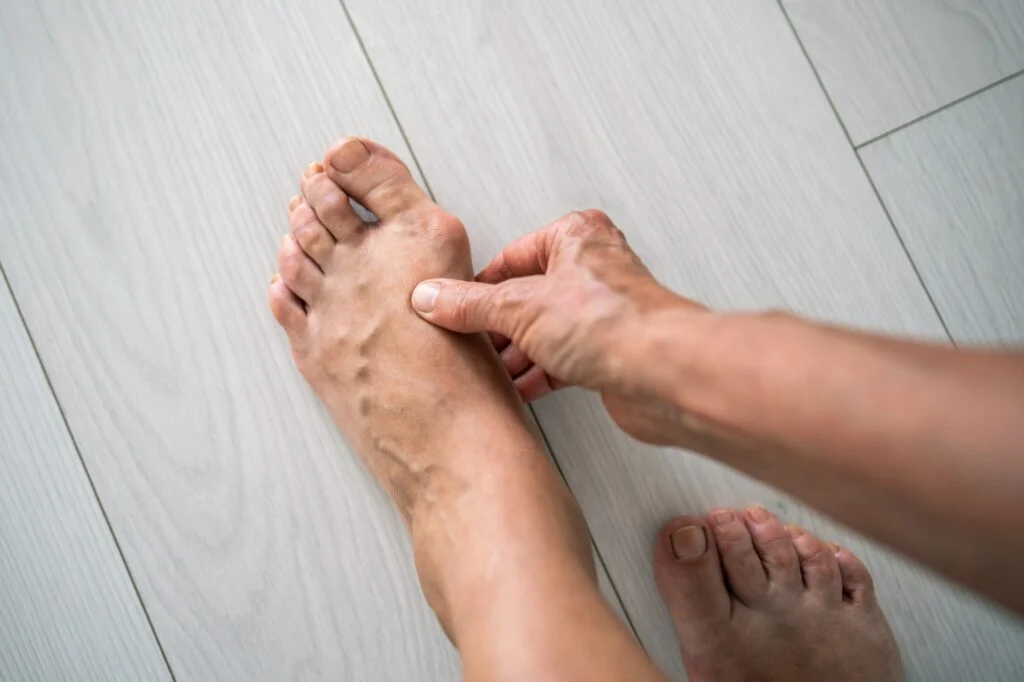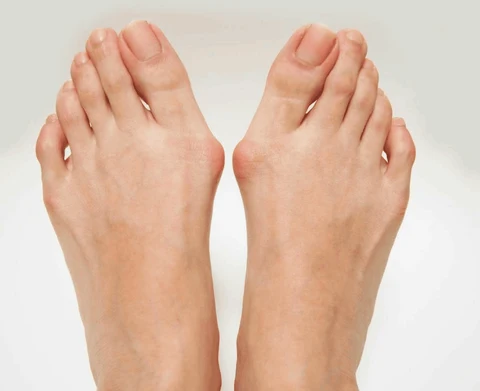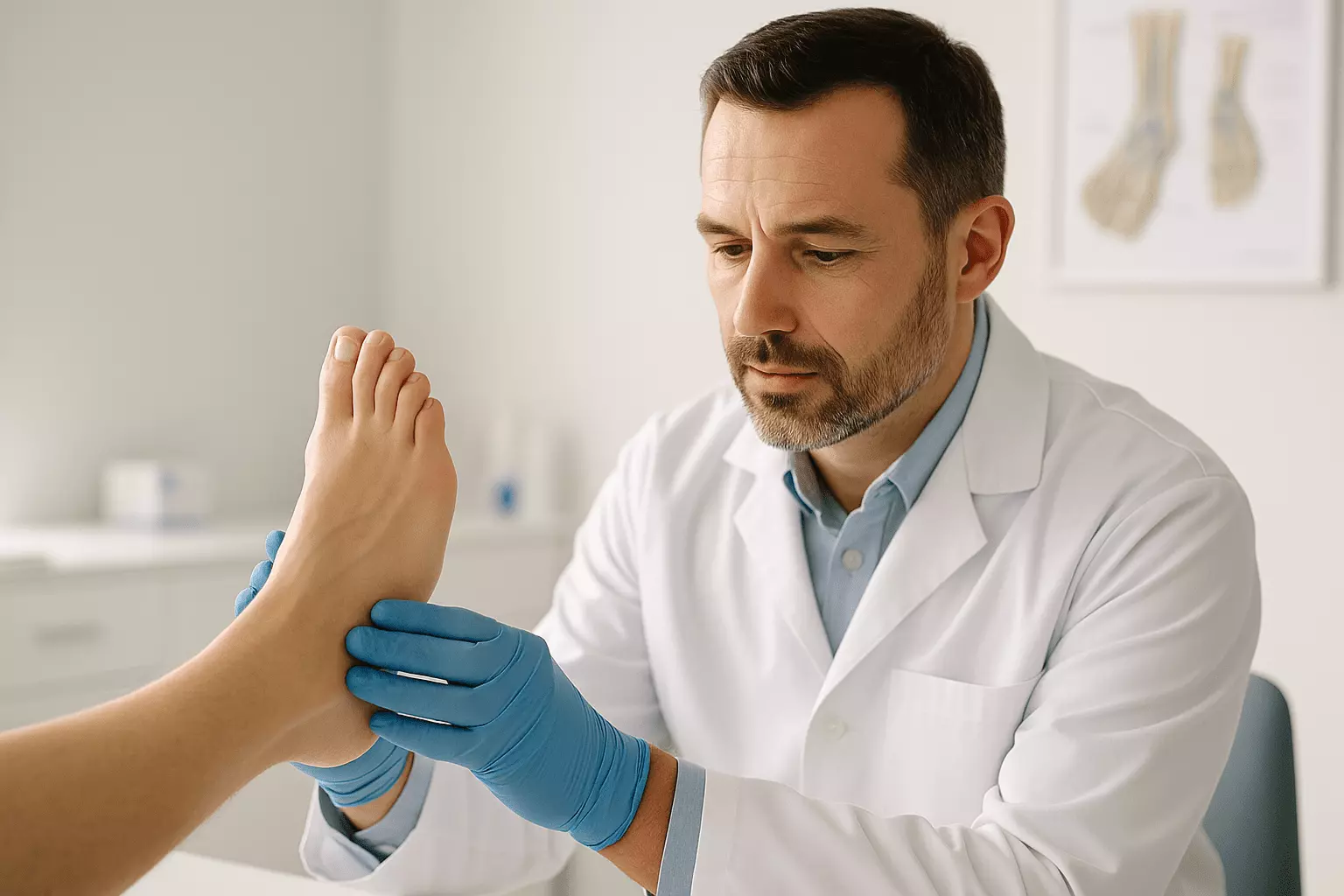
Foot wounds may worsen or become infected without timely and appropriate treatment. A foot doctor can evaluate the wound and address underlying causes to support healing and prevent complications. Here are some signs that indicate when to seek help from a foot doctor for wound care:
Nonhealing Foot Wounds
A healthy wound usually closes within a few weeks, and you should notice improvement day by day. If a sore on your foot stays open, changes color, or expands, it may need professional attention. Some wounds stall because of poor blood flow, pressure from walking, or hidden problems beneath the surface. A foot doctor examines the area, checks how well blood reaches your foot, and creates a plan to help the wound close safely. If healing stalls for a few weeks, book a visit so the problem does not spread. Early action often shortens recovery time and lowers the chance of further trouble.
Visible Signs of Foot Infection
An infection can turn a minor wound into a serious concern, so identifying the signs early helps. Watch the wound closely and note any changes over a short period. The following signs suggest you should see a foot doctor:
- Redness that spreads: A growing red area around the wound often points to an infection that needs treatment.
- Warmth and swelling: Skin that feels hot and looks puffy may signal that your body is fighting germs.
- Discharge or odor: Fluid, pus, or a bad smell from the wound strongly suggests you need care.
- Increased pain: Pain that worsens instead of improving can mean the wound is not healing on its own.
- Fever: A high body temperature alongside a foot wound may show that the infection is spreading.
High-Risk Medical Conditions
Certain health conditions increase the risk that a simple wound becomes a lasting problem. People with these conditions often heal slowly, and small injuries can escalate quickly. A foot doctor understands how these factors affect recovery, so they tailor care to each patient. Here are some conditions that require extra attention:
- Diabetes: High blood sugar can slow healing and reduce sensation in the feet, making wounds harder to notice.
- Poor circulation: Weak blood flow limits the oxygen and nutrients a wound needs to close properly.
- Nerve damage: Reduced sensation may hide pain, so a person does not know there is an injury until it worsens.
- Weakened immune system: A body that struggles to fight germs faces a higher chance of infection.
- Swelling in the legs: Fluid buildup can press on the skin and slow healing.
Professional Wound Care Options
A foot doctor offers several methods to treat wounds that will not heal on their own. The specialist first cleans the wound and removes any tissue that blocks recovery, preparing the area for further care. They may apply special dressings that keep the wound moist, protect it from germs, and support new skin growth. Each plan reflects the wound’s size, depth, and location, so treatment stays focused on your needs.
Some patients benefit from tools that reduce pressure on the foot, such as padded footwear or custom supports. A foot doctor may also guide you on how to clean the wound at home and how often to change the dressing. Regular checkups let the specialist track progress, adjust the plan, and detect new problems early.
Consult a Foot Doctor Today
Effectively managing foot wounds requires personalized care, consistent monitoring, and appropriate tools like padded footwear or custom supports. Regular checkups with a specialist help track progress, make necessary adjustments, and address potential complications early. Patients can achieve improved outcomes by following a structured treatment plan. Contact a qualified foot doctor in your area to book your consultation today.