
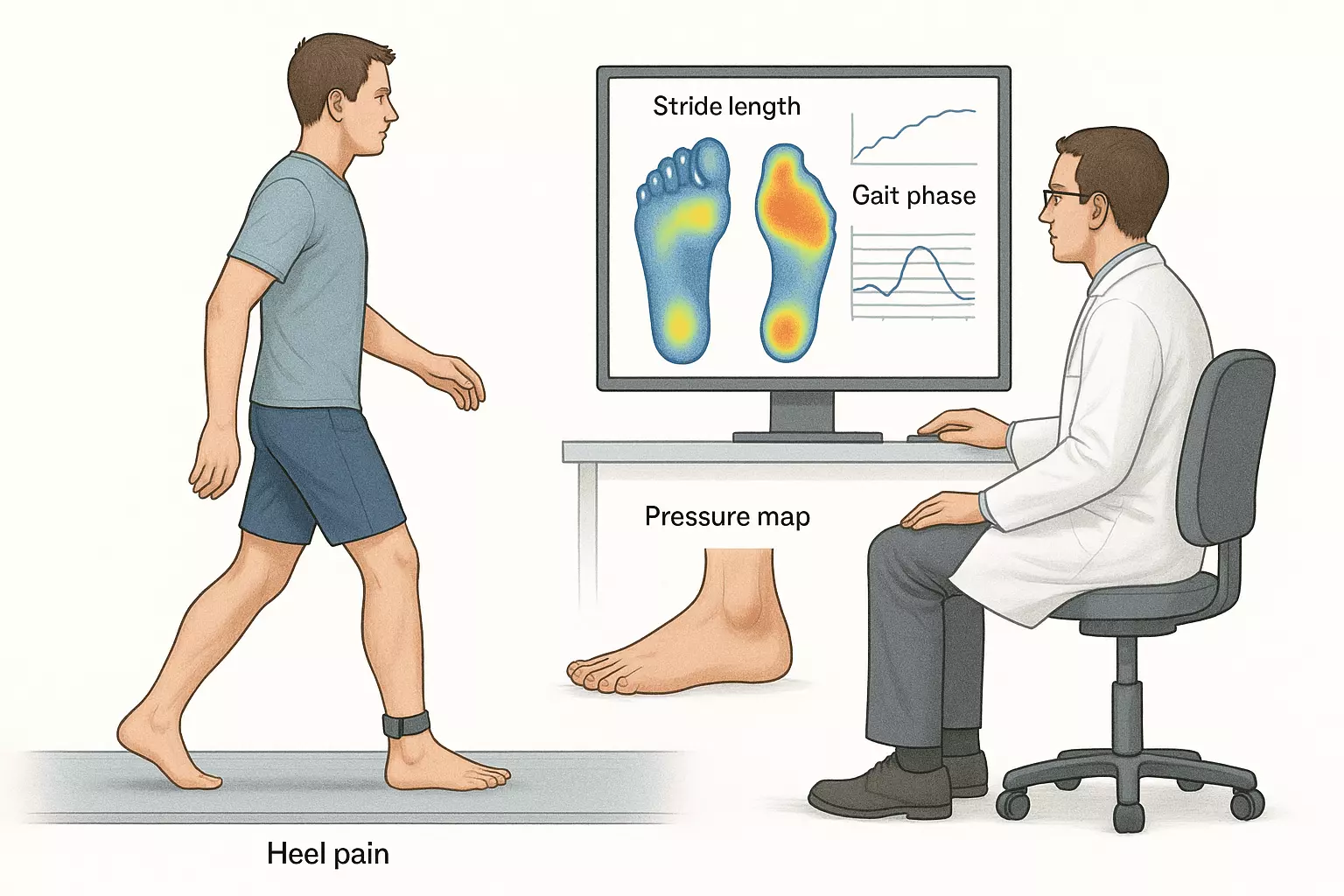
A first podiatry visit typically includes a medical history review, physical foot and ankle examination, and a discussion of treatment options. Podiatrists diagnose and treat conditions ranging from heel pain to ingrown toenails, and they develop personalized care plans to improve foot health and mobility. Each patient presents with unique needs, so the care provided is tailored accordingly. Here is more information on what to expect from a first visit with a podiatrist:
What Is a Podiatrist?
When conditions affect the foot, ankle, or lower extremity, a podiatrist, who is a licensed medical professional, provides specialized diagnosis and treatment. Podiatrists treat patients across all age groups; their scope of practice covers everything from minor skin and nail issues to complex musculoskeletal problems. Children with developmental foot concerns and older adults managing chronic conditions both fall within a podiatrist’s area of expertise.
What Services Do They Offer?
Podiatric care covers a wide range of services. Standard treatments include:
- Nail and skin care: Ingrown toenails, fungal infections, corns, and calluses
- Biomechanical assessment: Gait analysis and orthotic prescription to correct structural issues
- Wound care: Particularly for diabetic patients at risk of foot ulcers
- Fracture and injury management: Sprains, stress fractures, and sports-related trauma
Patients with diabetes, arthritis, or circulatory disorders benefit from regular podiatric monitoring to prevent complications before they develop.
What Do First Visits Involve?
Arriving prepared helps make the first appointment more productive. Patients may be asked to bring a list of current medications, any relevant medical records, and footwear they wear regularly, as these items provide the podiatrist with valuable context into the patient’s foot health. The podiatrist will begin by reviewing medical history, and they will ask about the patient’s symptoms, lifestyle, and any previous treatments.
A physical examination follows, during which the podiatrist assesses the structure and function of the patient’s feet and ankles. Skin condition, nail health, circulation, and nerve sensitivity are all evaluated. Depending on the presenting concern, diagnostic tools such as X-rays may be used to gather additional information; these tools allow for a more precise assessment. The examination is generally non-invasive. After the assessment is completed, the podiatrist will discuss their findings and outline a treatment plan.
How Is Specialized Care Beneficial?
General practitioners can identify basic foot problems, but podiatrists bring a deeper level of expertise to lower limb conditions. This specialization allows for faster, more accurate diagnoses. Because podiatric training focuses specifically on foot and ankle mechanics, treatment plans are tailored to address the unique structural demands of the lower limb. This precision is valuable for chronic or recurring conditions.
Podiatric care addresses underlying causes rather than symptoms alone. A patient presenting with knee pain may have a gait abnormality contributing to the problem, and by correcting foot alignment through orthotics or physical therapy guidance, a podiatrist helps reduce pain throughout the entire kinetic chain. People with diabetes are more likely to experience foot problems due to nerve damage and poor circulation. Routine podiatric visits are a central component of diabetes management; specialized foot care helps reduce the risk of serious complications.
Know What To Expect
A first podiatry visit is a structured, informative appointment designed to assess your foot health and establish a treatment plan. The process moves from history-taking and physical examination to diagnosis and treatment planning, which gives you a better understanding of your condition. Podiatrists treat a broad spectrum of conditions and work with patients to develop care plans suited to their individual needs. If you’re experiencing foot or ankle pain, schedule an appointment with a podiatrist.
- Understanding the Causes and Symptoms of Plantar Fasciitis
- Why International Buyers Are Turning to a Buyer’s Brokerage in Panama
- How EMDR Therapy Facilitates Healing From Past Experiences
- Exploring the Benefits of IV Therapy for Enhanced Hydration and Wellness
- How To Get a Medical Marijuana Card and What To Expect During the Process