A sinus infection, also called sinusitis, occurs when the tissue lining the sinuses becomes inflamed or swollen. The sinuses are hollow spaces behind the forehead, cheeks, and nose. When they become blocked and filled with fluid, bacteria, viruses, or fungi can cause an infection. Most sinus infections clear within a few weeks, but some people experience them repeatedly or for extended periods. These become chronic cases, often linked to allergies, nasal polyps, structural differences in the nasal passages, or ongoing inflammation that prevents proper drainage. Here is more on the symptoms and treatments for sinus infections:
Common Signs and Symptoms
Sinus infections have several recognizable signs, including facial pressure or pain, a stuffy or runny nose, and thick nasal discharge. Symptoms often intensify when bending forward or lying down, since these positions increase pressure in the affected areas. Many people also notice reduced sense of smell, headaches, and pain around the eyes, cheeks, or forehead. Some people develop a fever, and others report pain in the upper teeth because of the sinuses located near the roots. Additional symptoms of a sinus infection may include a cough, sore throat, fatigue, and bad breath.
Chronic Cases
Acute infections last less than four weeks, but when symptoms persist for 12 weeks or longer despite treatment, the condition is chronic. Recurring episodes throughout the year may also point to a chronic pattern that requires closer medical evaluation. Diagnosing chronic sinusitis usually begins with a review of your symptoms and medical history, followed by a physical examination.
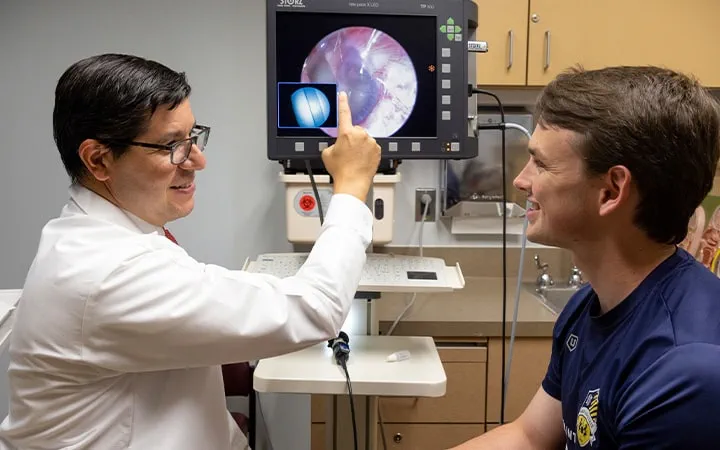
A clinician may examine the inside of your nose using a small instrument or a nasal endoscope, which is a thin tube with a light and camera. Imaging tests such as a CT scan can reveal blockages, inflammation, or structural issues within the sinuses. Allergy testing is often recommended when allergies are suspected, and a sample of nasal discharge can help identify the specific cause of the infection.
Possible Treatment Options
Treatment for sinusitis depends on the cause, severity, and duration of the infection. A clinician may suggest one approach or combine several methods depending on individual needs. Intranasal steroid sprays are applied directly into the nostrils to reduce inflammation in the nasal passages. By decreasing swelling, they may help improve drainage and ease congestion. These sprays are often used over a period of time rather than for immediate relief.
Leukotriene Antagonists or Antihistamine Medications
Leukotriene antagonists work by blocking substances that contribute to inflammation and swelling, thereby reducing someone’s chance of reinfection. Antihistamines are often recommended when allergies play a role in triggering or worsening sinus symptoms. Both types of medication address underlying factors rather than the infection alone, and a clinician can advise which option fits a person’s situation.
Surgery To Address Structural Infections
When structural issues block proper drainage, surgery may be discussed. Functional endoscopic sinus surgery is a common procedure that removes blockages and enlarges the sinus openings. Surgery may also correct problems that contribute to repeated infections, but this option is typically explored when other treatments have not produced sufficient results.
Manage Your Sinus Infections Effectively
Sinus infections range from short-lived episodes to ongoing conditions that affect daily comfort. Recognizing the symptoms early helps you seek appropriate care before the problem becomes more difficult to manage, as the infection may spread. Chronic cases often benefit from an evaluation that identifies the underlying cause, whether it involves allergies, inflammation, or structural factors. A range of treatment options exists, from nasal sprays and medications to surgical procedures for more complex situations. To learn more about your treatment options, contact a primary care provider for a consultation.
- How To Prepare for Your Joint Injection Appointment
- Benefits of Using Invisalign Over Braces
- Why Medical AI Needs Diverse, Ethically Sourced Medical Imaging Data (and How to Get It)
- Sewer Backup Cleanup Companies: A Homeowner’s Guide for Emergencies
- The Role of Family Dentistry in Maintaining Oral Health