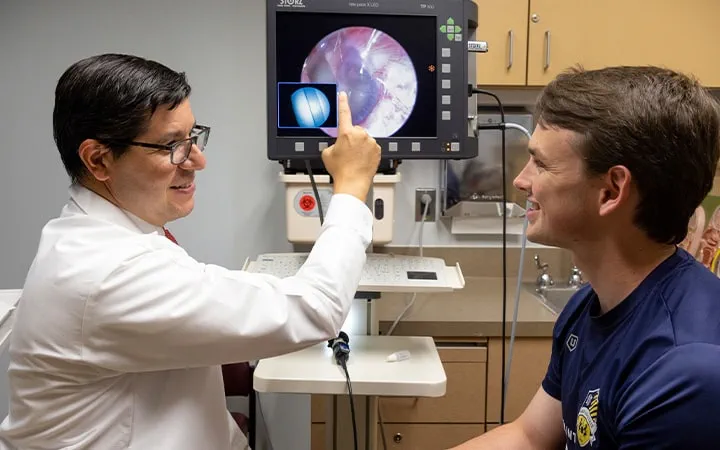
Chronic sinusitis can cause persistent nasal congestion, facial pressure, headaches, and difficulty breathing. An ENT doctor identifies the underlying cause of these symptoms and develops a treatment plan to reduce inflammation and prevent recurring problems. Here is a closer look at the role of an otolaryngologist in managing chronic sinusitis:
Evaluating Persistent Symptoms
The first step in managing chronic sinusitis is a careful review of your symptoms. An ENT doctor asks how long the symptoms have lasted and notes how the problem affects daily activities such as sleep, work, or school. This detailed history gives the specialist a clear starting point and helps distinguish a lingering condition from a passing cold. During the visit, the ENT doctor may examine the inside of your nose using a small and lighted instrument. A thin scope called an endoscope also reveals swelling or blockage in the deeper passages. Here are some common signs the specialist looks for:
- Nasal congestion or blockage: Difficulty breathing through the nose that does not fully clear.
- Facial pain or pressure: Discomfort around the cheeks, eyes, or forehead.
- Thick nasal discharge: Mucus that drains from the nose or down the throat.
- Reduced sense of smell: A dulled ability to detect odors over an extended period.
These observations indicate to the specialist whether further testing is helpful.
Identifying Underlying Causes
Detecting the source of chronic sinusitis is often the key to lasting relief. An ENT doctor looks beyond the symptoms to identify what keeps the sinuses inflamed. Several factors may contribute, so the specialist reviews your medical background alongside the physical exam. Imaging tests, such as a CT scan, show the sinus structure in detail, and they can reveal blockages, thickened tissue, or unusual anatomy. Allergy testing may follow when the specialist suspects that pollen, dust, or other triggers play a part. Nasal polyps, which are soft growths in the lining, can also narrow the passages, and a deviated septum may limit airflow on one side. Connecting these findings helps the ENT doctor identify the cause.
Developing a Treatment Plan
After the diagnosis, the ENT doctor develops a treatment plan matched to your specific situation. The plan often begins with steps to reduce swelling and improve drainage, and it may be adjusted over time based on your response. Plans often start with non-surgical measures, and the specialist explains how each one supports recovery. The following options are often part of an early plan:
- Saline nasal rinses: Flushing the passages to clear mucus and irritants.
- Prescribed nasal sprays: Medicated sprays that lower inflammation in the lining.
- Managing triggers: Limiting contact with allergens that worsen symptoms.
- Scheduled follow-ups: Regular checks that monitor progress and refine the plan.
The otolaryngologist reviews your response to these steps, and the plan may change if symptoms persist.
Exploring Advanced Treatment
When standard measures do not fully resolve the condition, an ENT doctor may recommend advanced options. These procedures aim to open blocked passages and restore normal drainage, and the specialist explains each choice before moving ahead. The goal is to address the physical causes that keep the sinuses inflamed.
Balloon sinuplasty is one such minimally invasive procedure that uses a small balloon to gently widen narrowed sinus openings. Endoscopic sinus surgery is another option that removes blockages or polyps through the nostrils, so no external cuts are needed. The otolaryngologist deliberates on the benefits and risks with you, and they tailor the recommendation to your anatomy and history.
Consult an ENT Doctor Today
Chronic sinusitis can disrupt daily life, but a clear management process makes it easier to handle. An otolaryngologist evaluates persistent symptoms, identifies the underlying causes, and develops a treatment plan. They also explore advanced options when they are helpful. Contact a qualified ENT doctor near you to schedule your consultation today.
- How To Prepare for Your Joint Injection Appointment
- Benefits of Using Invisalign Over Braces
- Why Medical AI Needs Diverse, Ethically Sourced Medical Imaging Data (and How to Get It)
- Sewer Backup Cleanup Companies: A Homeowner’s Guide for Emergencies
- The Role of Family Dentistry in Maintaining Oral Health