Plantar warts can cause discomfort, pressure, and difficulty walking when they develop on weight-bearing areas of the foot. A plantar wart specialist evaluates the affected area, identifies the type and severity of the wart, and recommends treatment options that support proper healing and foot comfort. Here is a closer look at the role of a foot wart specialist in managing foot health:
Identifying Plantar Wart Symptoms
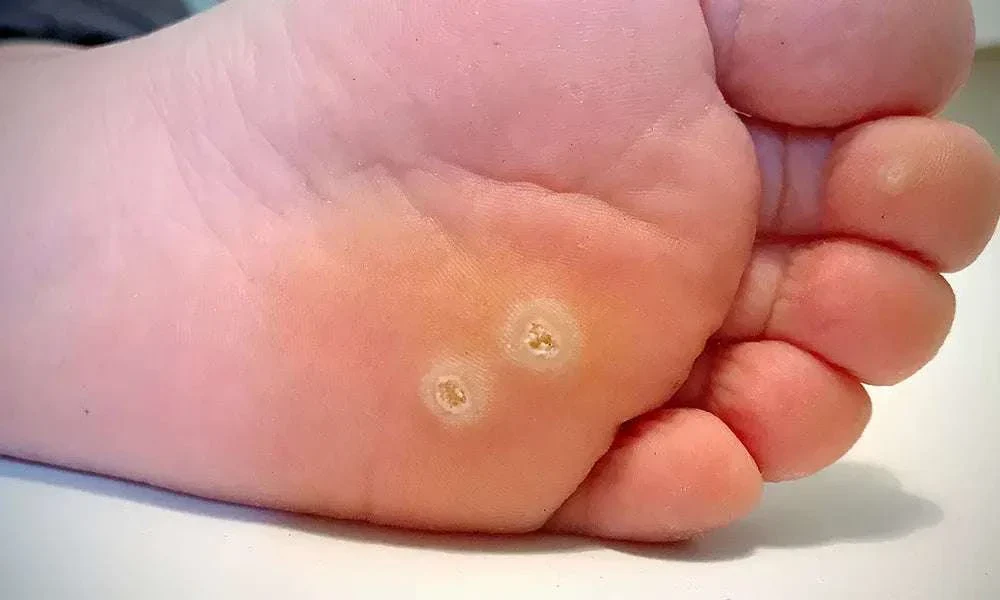
A plantar wart specialist begins by reviewing the physical signs on your foot. Plantar warts often appear as rough, thickened patches and may contain tiny dark dots resembling seeds. You may feel tenderness when standing or walking, though the growth itself appears small. The specialist also compares your symptoms with those of other common foot conditions because a callus or a corn can look similar at first glance. During the exam, the provider studies the texture, location, and pattern of the skin lines, which helps confirm what you are dealing with. This careful review is a key part of accurate identification, and it prevents unnecessary treatment.
Recommending Targeted Treatment
Once the specialist confirms a plantar wart, they map out a treatment approach based on the size, depth, and number of growths. Some warts respond to gentle methods, while others may need repeated sessions over several weeks. Here are several approaches a foot wart specialist may recommend:
- Topical applications target growth, with solutions applied directly to the skin on a set schedule.
- Cryotherapy uses cold temperatures to address the wart tissue during in-office visits.
- Minor in-office procedures may remove stubborn growths that do not respond to other methods.
- Debridement trims thickened skin to reduce pressure and discomfort as you walk.
A follow-up schedule often accompanies treatment, allowing the provider to track progress and adjust course when needed.
Preventing Wart Spread
Plantar warts can spread to other areas of the foot or to other people, so a specialist also focuses on prevention. The provider explains how the growths are transmitted through direct contact and shared surfaces, which helps you protect your household. Here are practical steps the specialist may recommend as part of preventive care:
- Wear sandals in public showers, locker rooms, and pool areas to limit contact with shared floors.
- Keep feet dry by changing damp socks and drying between the toes after washing.
- Avoid touching the wart and then other parts of your body, as this can spread the growth to new skin.
- Use separate towels and files rather than sharing items that come into contact with the affected area.
Following this guidance helps you manage the current wart while lowering the risk of future ones.
Supporting Foot Comfort
A plantar wart specialist looks beyond the immediate growth and pays attention to how your feet feel over time. Repeated pressure on one spot can change the way you stand or walk, so the provider reviews your gait and footwear. Minor adjustments, such as cushioned insoles, may reduce strain on sensitive areas.
The specialist also checks whether the wart has affected the surrounding skin and offers tips to keep that tissue healthy. Regular visits allow the provider to detect changes early, which supports steady comfort as you move through your day. When your feet feel balanced, everyday tasks like walking, exercising, and standing become easier to manage.
Consult a Plantar Wart Specialist
Effective treatment and management of plantar warts require professional care that addresses the immediate and surrounding factors. Consulting a specialist can promote proper removal techniques, protect the surrounding skin, and maintain overall foot balance and comfort. Contact a qualified plantar wart specialist near you to schedule your consultation today.
- Understanding the Role of Pediatric Orthopedic Specialists in Children’s Health
- Navigating the Process of STD Testing
- When Should You See an Orthopedic Specialist for Hand Pain?
- Understanding the Different Types of Chemical Peels and Their Uses
- The Science of Skin Elasticity: Unlocking Youthful Texture with Bioactive Peptide Complexes