
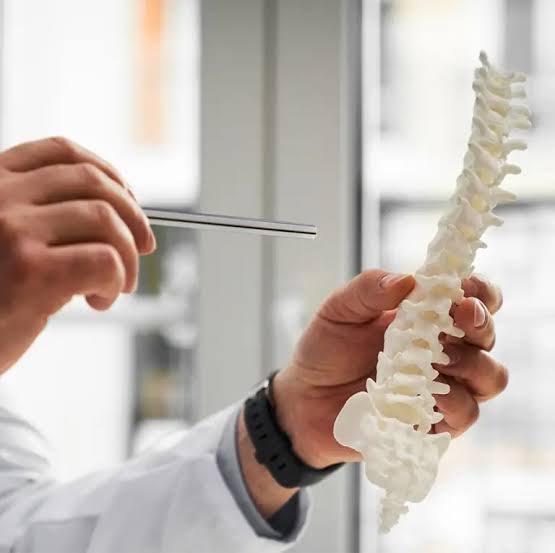
A spinal cord injury (SCI) is damage to the bundle of nerves that carries signals between your brain and the rest of your body. These injuries often result from car accidents, falls, or sports incidents. The location of the injury affects the symptoms, and the severity of the damage influences how much function is lost. Here are some impacts of spinal cord injuries on mobility and independence:
Causes Paralysis
Paralysis is the most visible outcome of spinal cord injuries. When the cord is damaged, nerve signals no longer travel past the point of injury. This results in loss of movement and sensation below that level. Higher injuries produce wider effects. An injury in the neck may cause tetraplegia, which affects the arms, trunk, legs, and pelvic organs. Damage lower down, in the thoracic or lumbar regions, typically causes paraplegia; this affects the legs and lower body while leaving the arms functional. Doctors also classify injuries as complete or incomplete. A complete injury means no signals pass below the damaged area, while an incomplete injury allows some function to remain. This distinction shapes what daily movement looks like and which mobility aids you might use, such as a manual wheelchair, a power chair, or supportive braces.
Impacts Physiological Control
In addition to movement, the spinal cord also regulates bodily functions, and an injury can disrupt many of them. Some physiological changes include:
- Bladder and bowel control frequently change, since the nerves that manage these organs sit low in the spine. Many people adopt scheduled routines or use catheters to manage these functions.
- Breathing may be affected when the injury sits high in the neck, near the nerves that control the diaphragm. Some individuals rely on ventilators or breathing support as a result.
- Blood pressure and heart rate also depend on nerve signals, so sudden drops or spikes sometimes occur.
- Body temperature regulation shifts too, because the body struggles to sweat or shiver below the injury level.
Leads to Secondary Health Risks
Beyond the initial injury, a spinal cord injury increases the likelihood of additional health problems that require ongoing attention. Reduced movement and sensation affect multiple body systems, making preventive care a key part of long-term health. Limited mobility places constant pressure on certain areas of the body, increasing the risk of pressure injuries unless you reposition regularly and check your skin. The same lack of movement also slows circulation in the legs, so doctors often recommend compression garments to reduce the likelihood of blood clots.
Changes in the nervous system also create challenges. Muscle spasticity can cause involuntary tightening or jerking that affects comfort and positioning, while chronic nerve and muscle pain sometimes persists after the initial injury. Weakened breathing muscles also make respiratory infections, including pneumonia, more common. Although these complications are common, regular monitoring and consistent preventive care help prevent more serious problems.
Manage Spinal Cord Injuries
Living with a spinal cord injury involves a coordinated plan that addresses movement, daily function, and long-term health. Rehabilitation specialists and physicians work together to support your goals. Adaptive equipment and structured routines help you maintain as much independence as possible. Regular check-ups allow your team to track secondary risks and adjust your care over time. If you are navigating a spinal cord injury, contact a spinal cord specialist today to schedule a consultation.
- Understanding the Role of Pediatric Orthopedic Specialists in Children’s Health
- Navigating the Process of STD Testing
- When Should You See an Orthopedic Specialist for Hand Pain?
- Understanding the Different Types of Chemical Peels and Their Uses
- The Science of Skin Elasticity: Unlocking Youthful Texture with Bioactive Peptide Complexes