Foot health affects how the body moves and holds itself upright. The feet are the body’s primary point of contact with the ground, which makes them central to overall musculoskeletal function. Addressing foot health is key. When foot health is compromised, measurable effects can occur throughout the entire musculoskeletal system, and these effects sometimes manifest as pain or reduced mobility in areas far removed from the feet. Here is more information on what foot health means, how it influences posture and mobility, and when to see a podiatrist:
What Is Foot Health?
Foot health refers to the structural, functional, and biomechanical condition of the feet. The foot contains bones, joints, muscles, tendons, and ligaments, and these components work together to support weight-bearing and movement. When any of these components are compromised through injury, chronic conditions, or poor footwear, the body compensates in ways that can affect areas beyond the foot itself.
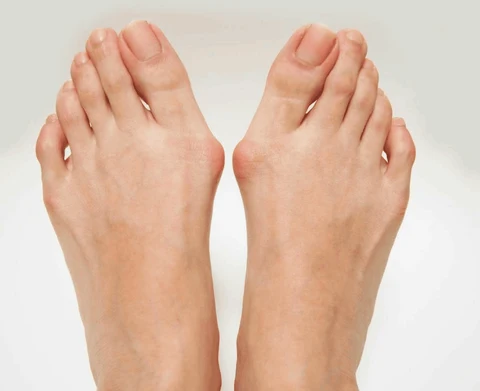
A podiatrist is a medical specialist trained to assess, diagnose, and treat conditions affecting the foot and lower limb. Common conditions include plantar fasciitis, flat feet, bunions, and heel spurs; each of these can contribute to broader musculoskeletal dysfunction if left unaddressed. Early intervention is advantageous, as minor foot problems can progress into significant postural and mobility issues when a podiatrist is not consulted in a timely manner.
How Is Posture Affected?
The feet serve as the base of the body’s postural chain. When the foot is misaligned through overpronation or supination, the ankle, knee, hip, and spine adjust to compensate, and these shifts alter how weight is distributed across the body. Muscle imbalances and joint stress follow, which disrupts healthy postural alignment over time. Flat arches may contribute to postural dysfunction.
How Does Mobility Change?
Foot pain limits the range and ease of movement; if walking or standing causes discomfort, individuals may shorten their stride, shift weight unevenly, or reduce overall activity. These compensatory patterns place additional stress on the knees, hips, and spine. Restricted upward movement of the foot can impair gait mechanics, which reduces the ability to squat, climb stairs, or walk on uneven terrain.
Reduced mobility has secondary effects on cardiovascular health, muscular strength, and joint flexibility. The less a person moves, the more the supporting muscles of the foot and lower limb weaken, and this deterioration further destabilizes the arch. Weakened foot and calf muscles reduce shock absorption during weight-bearing activities; restoring mobility often depends on addressing the underlying foot condition first, which a podiatrist helps with.
How Can a Podiatrist Help?
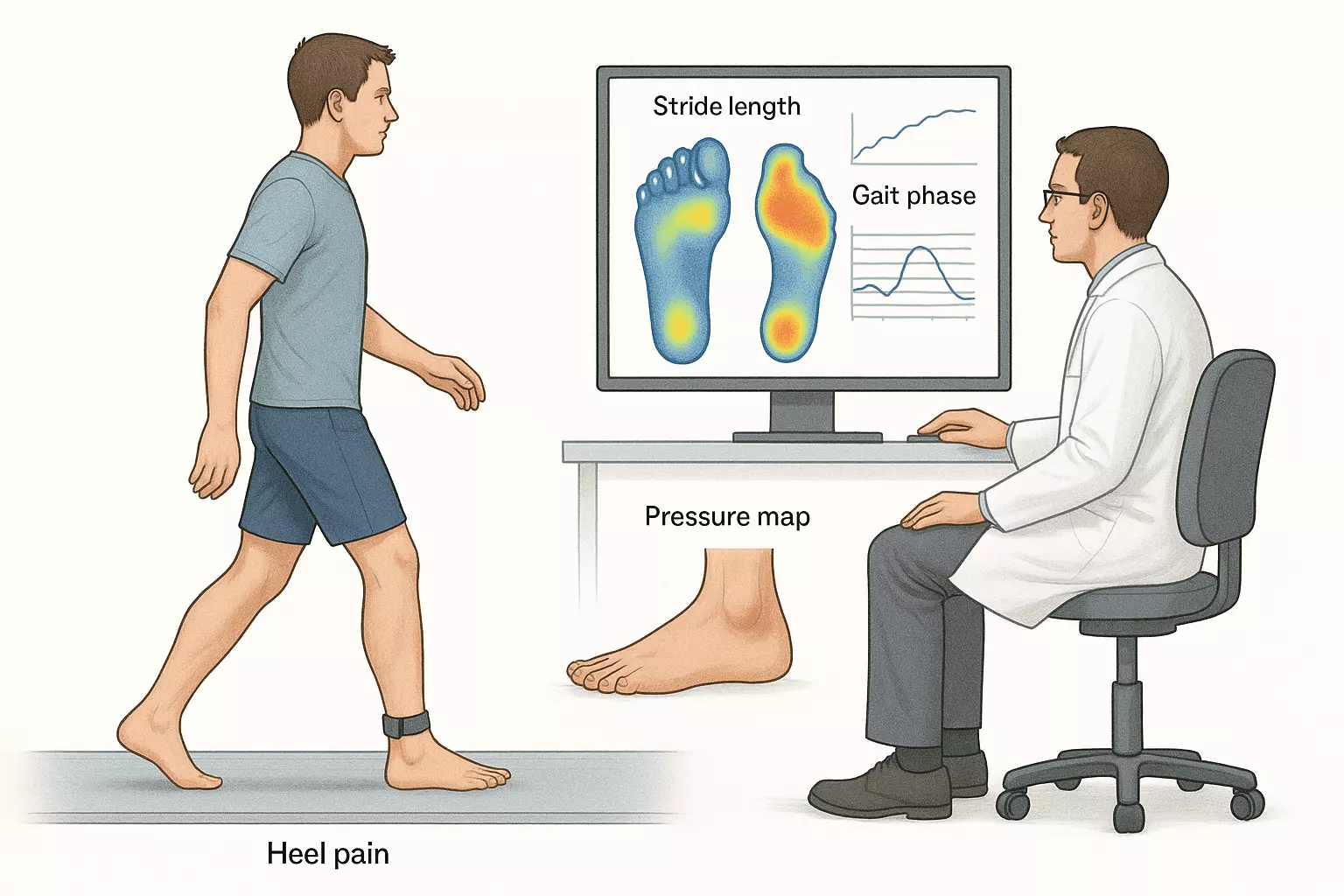
A podiatrist assesses gait, foot structure, and lower limb alignment to identify contributing factors to postural or mobility issues; based on their findings, a tailored treatment plan is developed. Standard interventions include:
- Custom orthotics to correct biomechanical alignment and redistribute pressure across the foot
- Stretching programs to improve flexibility and reduce strain on surrounding muscles
- Footwear recommendations to support proper alignment during daily activity
Improve Your Foot Health
Foot health has direct consequences for overall musculoskeletal function; structural problems at the foot level create a chain of compensatory changes that affect the ankles, knees, hips, and spine. Identifying and treating these issues early helps prevent long-term complications. A podiatrist provides the clinical assessment and targeted treatment needed to address foot-related postural and mobility concerns effectively. If you are experiencing foot pain, postural discomfort, or limitations in mobility, book an appointment with a podiatrist.