
Regular eye examinations evaluate a patient’s vision health. Licensed eye care professionals conduct these clinical assessments, and the testing procedures sometimes reveal early indicators of systemic disease. Since the blood vessels of the retina are visible during an evaluation, clinicians can identify signs of diabetes, hypertension, and neurological disorders before other symptoms manifest. Here is more information on how these exams are connected to overall health:
What Is an Eye Exam?
An eye exam is a clinical evaluation performed by an ophthalmologist, and it assesses the health and function of the eyes. It covers a wide variety of assessments. These range from basic visual acuity tests to detailed examinations of internal eye structures, which vary based on a patient’s age, medical history, and presenting symptoms.
Standard eye exams are recommended at regular intervals throughout a patient’s life. Children may have their first exam before starting school, while adults are advised to schedule exams every one to two years. Patients with pre-existing conditions such as diabetes or glaucoma may require more frequent visits, as these conditions affect eye health, necessitating closer monitoring.
Why Are They Conducted?
Eye exams are conducted to detect vision problems, as early detection of conditions like cataracts, macular degeneration, and glaucoma can improve treatment outcomes. Ophthalmologists use the eye as a diagnostic reference point due to its unique anatomical properties. The retina is a site where blood vessels can be observed without invasive procedures; this makes retinal examination a non-invasive method for identifying cardiovascular and metabolic irregularities.
What Does the Process Entail?
A comprehensive exam typically begins with a review of the patient’s medical and visual history, and the practitioner may ask about symptoms, medications, family history of eye disease, and any recent changes in vision. The examination itself includes several components, including:
- Visual acuity testing, which measures the clarity of vision at various distances using a standardized eye chart
- Refraction assessment, which determines the appropriate prescription for corrective lenses
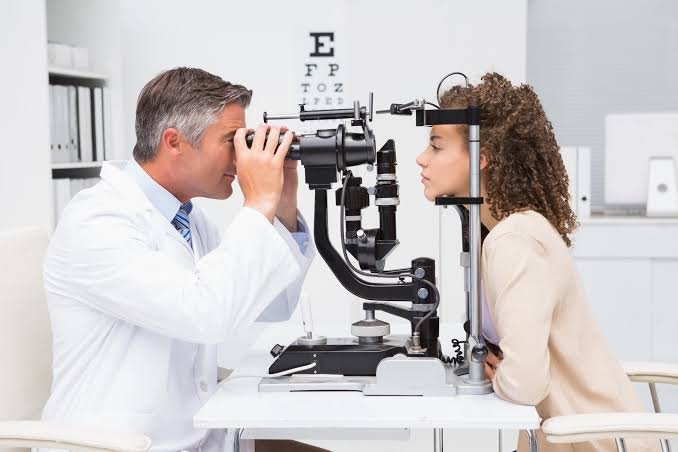
- Slit-lamp examination, which allows the practitioner to inspect the anterior structures of the eye under magnification
How Is Overall Health Affected?
Findings from an exam sometimes prompt further investigation into systemic health conditions. Retinal blood vessel changes are associated with hypertension, and these vascular anomalies can also indicate diabetic retinopathy. When these systemic conditions are identified early, clinicians can manage them effectively to prevent serious complications. Optic nerve abnormalities have the potential to indicate elevated intracranial pressure, which is associated with neurological disorders.
Eye exams can detect clinical signs of autoimmune diseases and thyroid disorders. Ocular tissues may exhibit changes during active disease, so optometrists closely monitor these structures. When a specialist communicates these findings to a primary care provider, the patient receives a more comprehensive diagnostic evaluation. Regular exams serve as an ongoing monitoring tool for patients with chronic illnesses. Diabetic patients require regular retinal screenings to track disease progression, and treatment plans are adjusted if pathological changes occur. Since vision preservation depends on early detection, consistent eye care remains an integrated part of systemic disease management.
Book an Exam Today
Eye exams provide valuable information about overall health. These evaluations detect early markers of systemic disease, and they monitor the progression of chronic conditions. If you are due for an exam, contact your ophthalmologist to schedule an appointment.
- Understanding the Role of Pediatric Orthopedic Specialists in Children’s Health
- Navigating the Process of STD Testing
- When Should You See an Orthopedic Specialist for Hand Pain?
- Understanding the Different Types of Chemical Peels and Their Uses
- The Science of Skin Elasticity: Unlocking Youthful Texture with Bioactive Peptide Complexes