
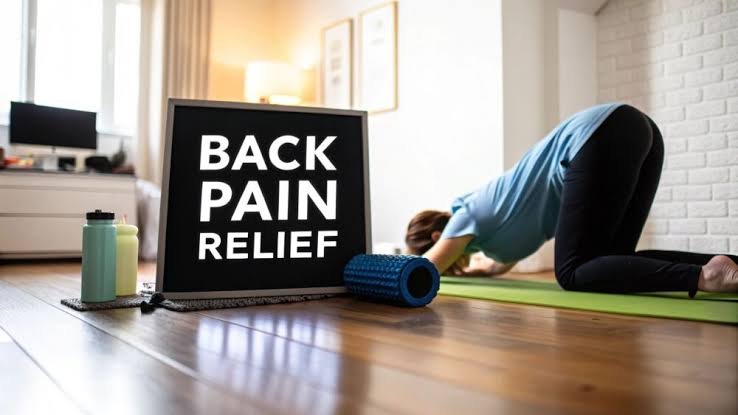
Back pain refers to discomfort felt anywhere along the spine, from the neck down to the lower back, and it ranges from a dull ache to a sharp, sudden sensation. This is one of the most common physical complaints among adults; it can interfere with sleep, work, and everyday movement. People with pain in the back often find it harder to sit for long periods or stay physically active, which affects both their productivity and their overall comfort throughout the day. Here is more information about back pain and home remedies:
Understanding Back Pain Causes
Back pain can stem from muscle strain, poor posture, heavy lifting, or extended periods of sitting. Age-related changes in the spine may also contribute, and certain movements trigger discomfort in people who are already prone to it. Some activities tend to worsen the pain. Activities that can worsen pain in the back include:
- Sitting for extended periods without support: increases pressure on the muscles and discs
- Sudden twisting motions: places extra stress on the spine
- Improper lifting: strains the muscles and discs surrounding the spine
- Staying in one position for too long: causes the surrounding muscles to stiffen
Other habits may reduce discomfort. Gentle movement, good posture, and short breaks from sitting often help; staying hydrated supports the tissues that cushion the spine.
Stretching and Movement
Low-impact exercise keeps the muscles that support the spine active without adding heavy strain. Walking, swimming, and cycling are common examples, and these activities encourage blood flow to the affected area. Regular movement may also help maintain flexibility over time.
Targeted stretching focuses on the muscles around the back and hips. Because tight muscles in these areas can pull on the spine, gentle stretches often ease tension and improve range of motion. Consistency matters more than intensity, so short daily sessions tend to work better than occasional long ones.
Using Heat, Cold, and Ergonomics
Hot and cold therapy are two simple approaches many people use at home. Cold packs may reduce swelling shortly after a strain, while heat helps relax tight muscles and improves circulation to the sore area. Alternating between the two for short periods is a method some people find useful. Improving ergonomics means adjusting your surroundings to support better posture.
- Supportive chair: Use a chair that supports your lower back and promotes good posture during long work sessions.
- Screen at eye level: Position your monitor at eye level to reduce neck and back strain.
- Feet flat on the floor: Keep your feet flat on the floor to maintain proper spinal alignment.
- Lumbar cushions: Use these to support the curve of your back throughout the day.
- Keep frequently used items within easy reach: Avoid repeated stretching or twisting, as these movements can aggravate back pain.
- Position your arms at 90 degrees: This helps keep your shoulders relaxed.
Knowing When To Seek Help
Most mild pain improves with rest and home care, but certain signs suggest a visit to a professional is worthwhile. Pain that lasts several weeks, spreads down the legs, or comes with numbness may need closer attention. After an injury, you should seek help to identify any hidden causes or resulting serious conditions.
Learn More About Back Pain
Back pain affects daily life in many ways, and understanding its causes is the first step toward managing it. While home strategies can provide relief for some pain, other cases require professional help to improve. To learn more about back pain management, consult an orthopedic surgeon near you.
- Understanding the Role of Pediatric Orthopedic Specialists in Children’s Health
- Navigating the Process of STD Testing
- When Should You See an Orthopedic Specialist for Hand Pain?
- Understanding the Different Types of Chemical Peels and Their Uses
- The Science of Skin Elasticity: Unlocking Youthful Texture with Bioactive Peptide Complexes