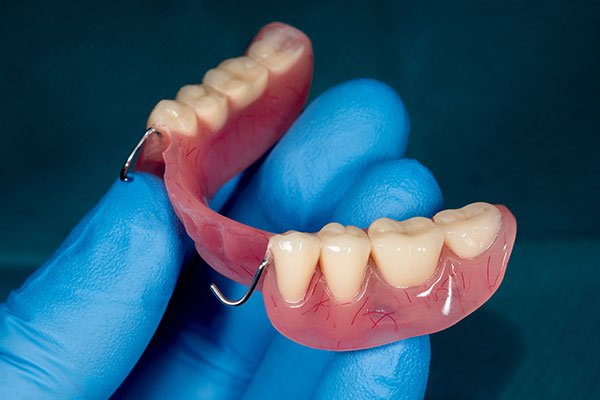
Dentures are removable dental appliances that replace missing teeth and the surrounding tissue. They can be complete, replacing a full arch of teeth, or partial, filling gaps left by a few missing teeth. They support facial structure, since missing teeth can cause the cheeks and lips to lose their natural shape. Made from materials like acrylic resin, metal, and porcelain, dentures also restore the ability to chew and speak clearly. Here’s information on how to care for your dentures to help them last for years:
Daily Denture Cleaning
Dentures collect food particles, plaque, and bacteria throughout the day, so regular cleaning is fundamental to maintaining them. A daily routine keeps oral appliances fresh and helps protect your gum and mouth health. To clean your dentures, start by rinsing them under running water to remove any loose food particles. Use a soft-bristled brush or a brush designed for dentures, and use a non-abrasive denture cleaner instead of regular toothpaste, which can scratch the surface.
Gently brush every part of the denture, including the areas that rest against your gums. Clean your oral appliances over a folded towel or a basin filled with water to protect them if they slip from your hands. Rinse them thoroughly after brushing to remove any cleaning product. When you are not wearing them, keep them in water or a denture-soaking solution to prevent them from drying out.
Nightly Removal
Removing your dentures at night gives your gums and other mouth tissues a chance to rest. Wearing your appliances around the clock can trap moisture and bacteria against gum tissue, which may lead to irritation. To reduce this, take your dentures out before bed and store them in water or a soaking solution overnight. This keeps them from drying out and helps them retain their shape. Rinse them again in the morning before placing them back in your mouth.
The lifespan of dentures depends on several factors, including the materials used, how often you wear them, and how carefully you maintain them. On average, dentures last between five and 10 years, but this range depends on your daily habits. Your mouth changes shape over time after tooth loss, and this can affect how well your dentures fit. A loose or worn appliance may need:
- Relining
- Adjustment
- Replacement
Regular dental visits help track your dentures’ condition and identify when you may need a replacement.
Daily Oral Hygiene Care
Even without natural teeth, plaque and debris can collect on your gums, tongue, and the roof of your mouth. This is why caring for your mouth is just as invaluable as caring for your dentures. For effective oral hygiene, use a soft toothbrush or a damp cloth to gently brush your gums and tongue each day. This removes buildup and keeps the tissues clean, supporting a comfortable, secure denture fit. If you wear partial dentures, brush your remaining natural teeth thoroughly to keep them healthy.
Effectively Maintain Your Dentures
Handling your dentures carefully reduces the risk of damage, and storing them properly keeps them from drying out. Clean them daily with the right tools and products, remove them at night to let your gums rest, and keep the rest of your mouth clean through regular brushing and rinsing. To maintain your oral appliance effectively, see a dentist regularly and keep consistent oral hygiene habits. Routine dental checkups let a professional monitor your appliance’s fit and condition over time. By following these steps consistently, you help protect your oral health and extend the life of your dentures.
- Choosing a Heart Blockage Treatment Hospital: Emergency Care, Procedures and Long-Term Support
- Exploring the Benefits of Family Dentistry for All Ages
- The Role of TMS Therapy in Managing Anxiety Disorders
- The Role of Foot and Ankle Specialists in Sports Injury Recovery
- What To Expect During Your First Gynecologist Appointment