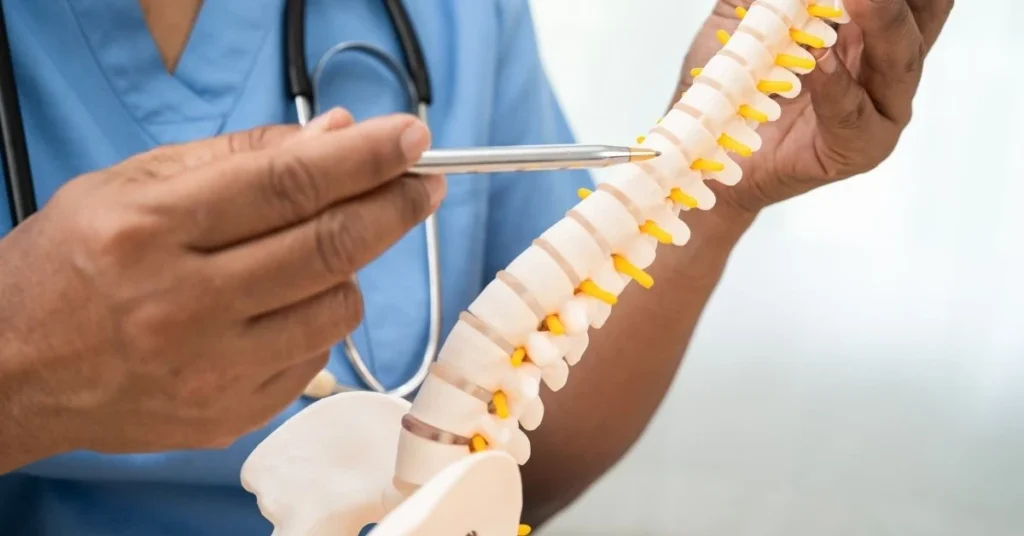
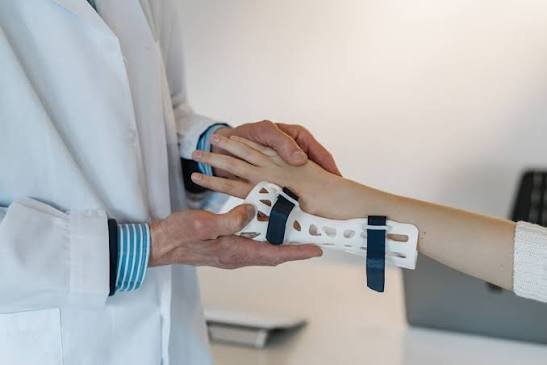
Orthopedics treats bones, joints, muscles, and connective tissue, and surgeons and specialists in this field help people who deal with injuries, arthritis, and chronic pain. New tools and techniques have changed how these problems are treated, and many options now require smaller incisions. If you face a joint or bone issue, understanding these methods helps you talk with your doctor. Here is more information on innovative treatments in orthopedics:
Computer-assisted Robotic Surgery
Robotic systems help orthopedic surgeons plan and perform procedures with detailed guidance. The surgeon controls the equipment, while software maps the joint before any incision. During knee or hip replacement, these tools support several steps:
- Creating a 3D model of the joint
- Guiding implant placement
- Measuring alignment in real time
Robotic assistance does not replace the surgeon’s judgment, and the surgeon makes every decision. If your case involves joint replacement, ask an orthopedics clinic whether a robotic system fits your situation. This technology adds precision to complex cases, though it suits specific procedures.
Regenerative Therapy
Regenerative therapy uses the body’s own cells to support healing in damaged tissue. Since these therapies draw on natural materials, doctors collect samples directly from the patient. Stem cell injections are one major approach in this category.
When needed, platelet-rich plasma (PRP) is another regenerative option that some specialists offer. Doctors draw blood, concentrate the platelets, and inject them into the affected area. This process targets tendons, ligaments, or joints, and it takes place in a clinical setting.
Not every patient qualifies for these treatments, so a full evaluation comes first. Your doctor reviews imaging, medical history, and symptoms before recommending a path. Regenerative options remain an active area of study, and researchers continue to test their limits. Discussing potential risks and benefits with your doctor is crucial to determining if regenerative medicine aligns with your treatment goals.
Arthroscopic Surgery
Arthroscopic surgery is a minimally invasive method for diagnosing and treating joint problems. The surgeon inserts a small camera through a tiny incision, and a screen displays the inside of the joint. Doctors use this approach on knees, shoulders, hips, and ankles.
When the incisions stay small, this technique often shortens the visible wound area. Surgeons repair torn cartilage, remove loose fragments, or smooth damaged surfaces during the procedure. Recovery details vary by patient, so your care team explains what to expect. Many procedures happen on an outpatient basis, and you return home the same day.
Advanced Cartilage Restoration
Cartilage may not heal easily on its own, so specialists have developed targeted repair methods. Some implantation techniques use your own cartilage cells, grown in a lab, to fill a defect. The surgeon places these cells into the damaged spot during a follow-up procedure. Your surgeon selects a method based on the location and extent of the damage.
Find Orthopedics Near You
New treatments give patients more paths for addressing bone and joint conditions. Talk with a qualified specialist who reviews your symptoms and explains your options clearly. Schedule a consultation with an orthopedic provider near you to discuss the right approach. Bring your questions and any prior imaging, and start the conversation about your care today.
- Understanding the Role of Pediatric Orthopedic Specialists in Children’s Health
- Navigating the Process of STD Testing
- When Should You See an Orthopedic Specialist for Hand Pain?
- Understanding the Different Types of Chemical Peels and Their Uses
- The Science of Skin Elasticity: Unlocking Youthful Texture with Bioactive Peptide Complexes