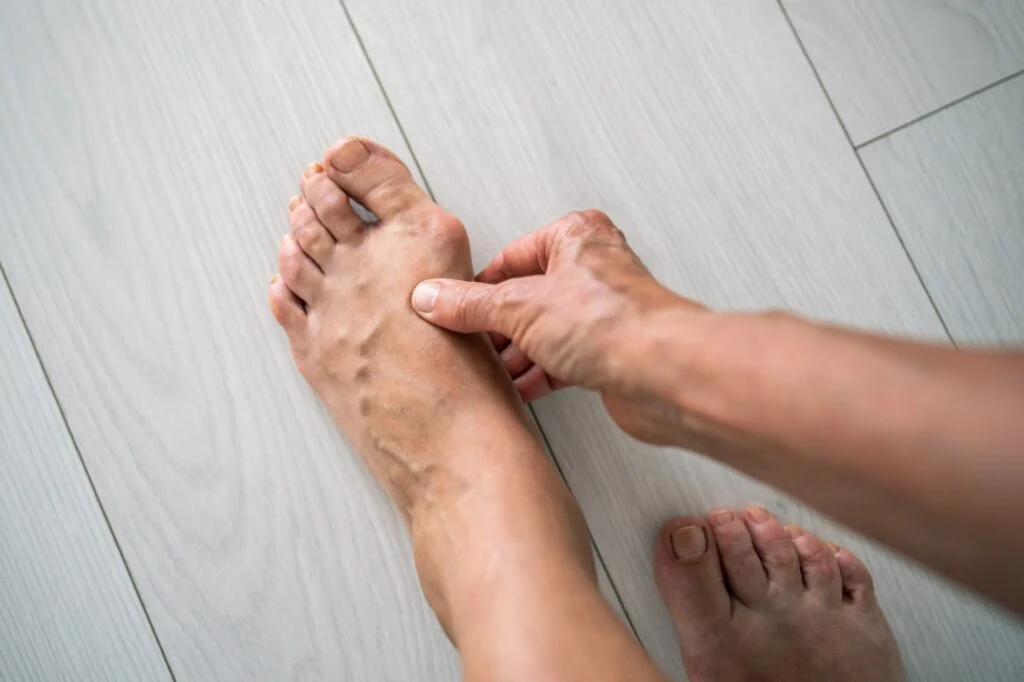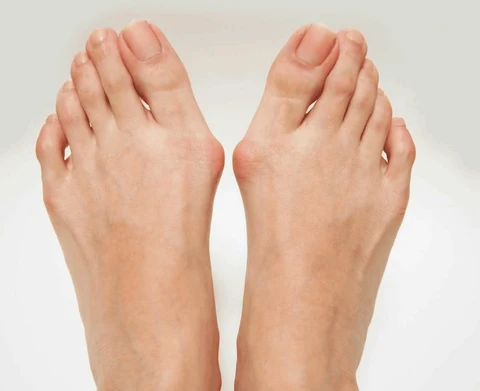
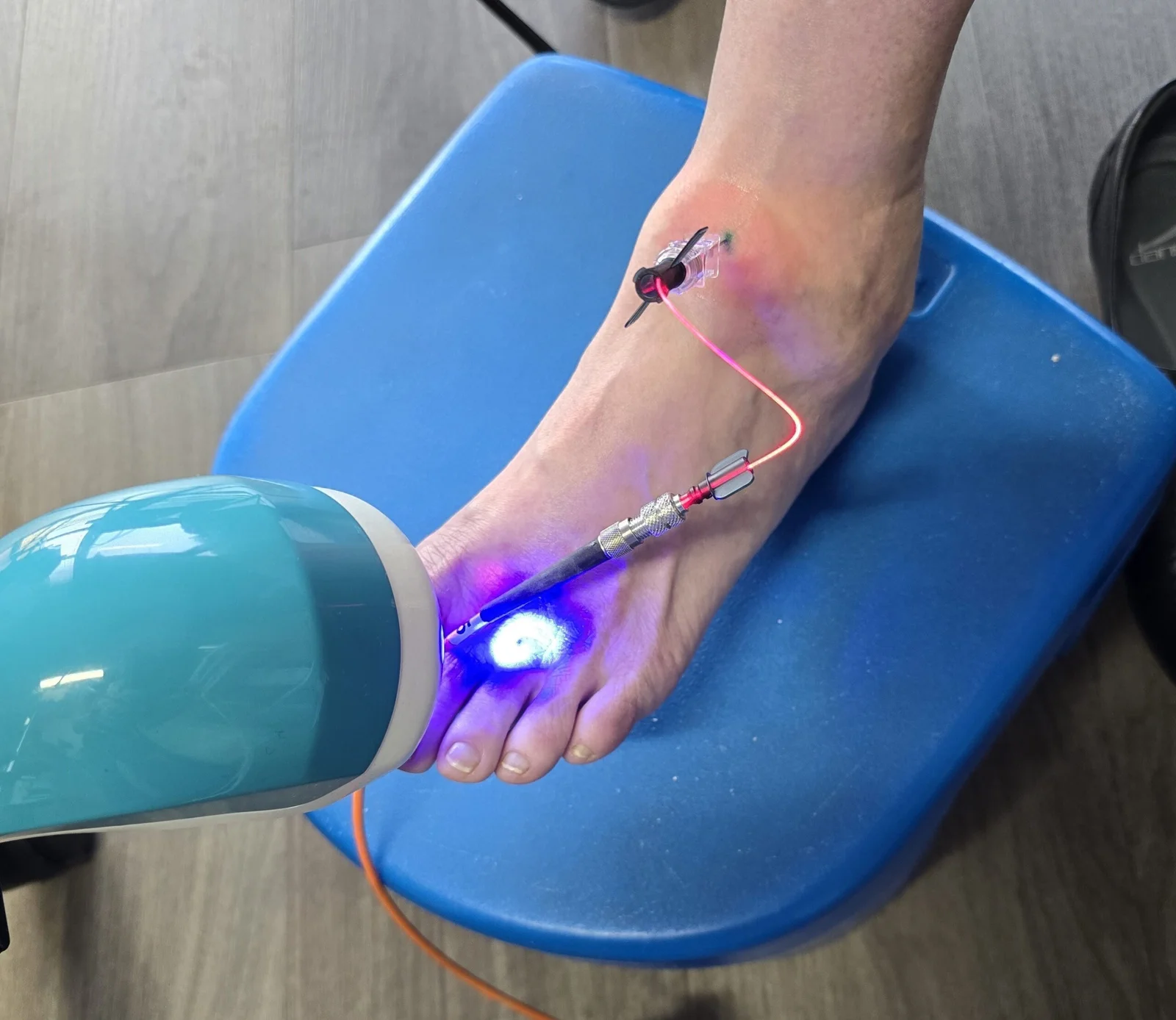
Plantar fasciitis causes sharp heel pain that worsens with your first steps in the morning, and it develops when the thick band of tissue along your foot becomes inflamed. New treatment methods target this inflammation directly, which focuses on relief and long-term structural support. If you address the root cause early, you avoid months of ongoing discomfort. Here are some innovative plantar fasciitis treatment options you can try:
Corrected Footwear
Your shoes shape how your feet absorb daily impact. Since worn-out soles shift pressure toward the heel, footwear correction often becomes the first plantar fasciitis treatment step. Supportive shoes reduce strain, and they distribute your weight more evenly across the arch.
Look for specific features when you replace your current pair:
- Firm heel counters that limit side-to-side motion
- Cushioned midsoles with arch support
- Slight heel-to-toe drop
When you match these features to your foot type, pressure on the fascia drops. Specialists measure your gait first, and then they recommend styles that fit your stride. This targeted approach removes guesswork from shoe selection.
Custom Orthotics
Custom orthotics differ from the inserts you buy at a pharmacy. A specialist molds these devices to the exact contours of your foot. Since they hold the arch in a corrected position, they limit the repeated stretching that irritates the tissue.
The fitting process follows clear steps, and each one adds precision. First, a technician scans or casts your foot. Next, a lab builds the device from your measurements. When the orthotics arrive, your provider checks the fit and adjusts pressure points as needed.
Guided Stretches
Tight calf muscles and a stiff fascia pull directly on your heel. Guided stretches loosen these areas, and a therapist teaches the exact movements. This supervision prevents the overstretching that sometimes worsens symptoms.
A typical routine focuses on three areas:
- Calf stretches against a wall
- Fascia rolls using a chilled bottle
- Toe extensions that lengthen the arch
Consistency matters more than intensity here. Since the tissue responds slowly, you repeat these stretches several times daily. When you follow the schedule your therapist sets, the fascia gradually regains flexibility.
Low-impact Exercise
High-impact activity keeps the fascia inflamed. Low-impact exercise maintains your fitness, and it protects the healing tissue at the same time. Swimming, cycling, and elliptical training move your body without pounding your heels.
A structured plan controls how much stress your feet absorb. Your provider sets duration limits, and these limits rise as symptoms fade. Since you build activity gradually, you avoid the setbacks that come with sudden overexertion. This measured pace keeps you active during recovery.
Some patients add water-based exercise for extra support. The water reduces the load on your joints, and it lets you move through a fuller range of motion. When land-based workouts feel painful, this option gives you a gentler alternative.
Schedule Plantar Fasciitis Treatment
Plantar fasciitis responds well when treatment starts early. Since these methods work together, a specialist often combines them into one plan. A trained provider examines your foot, identifies the source of strain, and builds a treatment approach around your needs. Call a foot and ankle clinic today to schedule an evaluation and take the first step toward relief.
- Understanding the Role of Pediatric Orthopedic Specialists in Children’s Health
- Navigating the Process of STD Testing
- When Should You See an Orthopedic Specialist for Hand Pain?
- Understanding the Different Types of Chemical Peels and Their Uses
- The Science of Skin Elasticity: Unlocking Youthful Texture with Bioactive Peptide Complexes