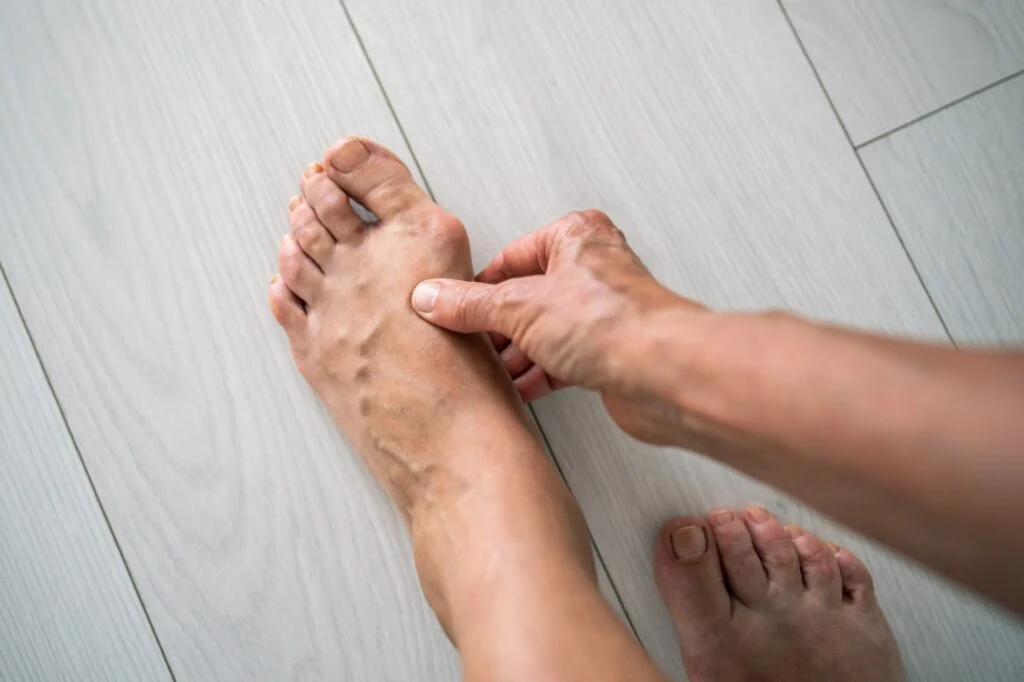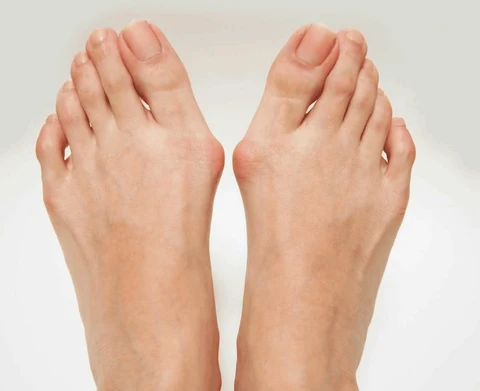

Heel pain can result from conditions such as plantar fasciitis, Achilles tendinitis, heel spurs, or injury. Identifying the underlying cause allows a healthcare professional to recommend appropriate treatments to reduce discomfort and restore mobility. Here are some common causes of heel pain:
Identifying Plantar Fasciitis
Plantar fasciitis is inflammation of the plantar fascia, the thick band of tissue that connects your heel to your toes. The pain usually appears near the bottom of the heel, and it tends to worsen with your first steps in the morning. Certain patterns point toward this condition, and knowing them helps you describe your symptoms clearly to a clinician. Watch for these signs before your evaluation:
- Morning stiffness: Sharp heel pain hits with the first few steps, then fades as the tissue loosens.
- Pain after rest: Discomfort returns when you stand up after sitting for a while.
- Tenderness at the heel base: Pressing the underside of the heel triggers a localized ache.
These signs do not confirm a diagnosis on their own, so a professional exam remains the reliable approach.
Recognizing Achilles Tendon Problems
The Achilles tendon connects your calf muscles to the back of your heel bone, and problems here create heel pain that differs from plantar fasciitis. You may feel stiffness or a dull ache along the back of the heel, and the area swells or feels warm. Runners and people who increase activity quickly often report this pattern, though it can affect anyone.
Achilles tendon issues frequently develop over time, and repeated strain plays a fundamental role in their onset. The pain may intensify during activities such as climbing stairs, jumping, or sprinting, and it can linger afterward. A clinician can assess the tendon’s flexibility and strength, which helps distinguish tendon strain from other sources of heel pain.
Detecting Heel Spurs
A heel spur is a bony growth that forms on the underside of the heel bone, and it often develops alongside plantar fasciitis. Some spurs cause no symptoms at all, but others produce a sharp pain when you place weight on the heel. The growth builds gradually, and it results from repeated stress on the foot’s ligaments and tendons. Imaging tools such as X-rays confirm a heel spur, so a clinical visit is the practical way to detect one. You cannot see or feel the spur directly, but it often causes persistent discomfort that other treatments have not eased.
Treating Heel Pain Effectively
Treatment for heel pain usually begins with conservative measures, which often provide relief without surgery. Rest, stretching, and supportive footwear form the foundation of early care, while more advanced options exist when simple steps fall short. A clinician tailors the plan to your specific cause, and this targeted approach improves your chances of lasting relief. Here are several options that can reduce heel discomfort:
- Supportive devices: Orthotic inserts and night splints reduce strain on the heel and surrounding tissue.
- Physical therapy: Guided stretches and exercises strengthen the foot and improve flexibility.
- Activity changes: Lowering high-impact movement gives inflamed tissue time to recover.
- Medical procedures: Injections or surgery may follow when conservative care does not deliver results.
Conservative care resolves some cases, but some conditions need a stronger intervention. Your provider may recommend imaging, corticosteroid injections, or a surgical consultation if pain persists despite months of effort.
Schedule Your Heel Pain Evaluation
Heel discomfort can significantly impact your daily activities, but understanding the potential causes and pursuing the proper treatment can lead to successful outcomes. Addressing symptoms early through conservative care can help most individuals achieve relief. For persistent cases, advanced options such as imaging, injections, or surgical consultation may be necessary. Contact a qualified podiatrist near you to schedule your heel pain evaluation today.
- Understanding the Role of Pediatric Orthopedic Specialists in Children’s Health
- Navigating the Process of STD Testing
- When Should You See an Orthopedic Specialist for Hand Pain?
- Understanding the Different Types of Chemical Peels and Their Uses
- The Science of Skin Elasticity: Unlocking Youthful Texture with Bioactive Peptide Complexes