
Spinal cord stimulation is used for certain nerve and pain conditions. It may be used for back pain, neuropathic pain, spinal cord injuries, or persistent pain after spine surgery. Preparation matters, so you will need to understand the steps. Talk to your provider about what is involved, since you should be prepared.
Examinations Before Surgery
Your surgeon will schedule a basic physical exam. You will complete blood tests, and the staff will order imaging tests. Before spinal cord stimulation, you can expect:
- Blood tests help identify infections, anemia, or other issues related to surgery.
- Imaging includes MRI scans of soft tissues and spine X-rays to evaluate bones and alignment.
- Providers may order additional scans to get a full view of your spine.
- Bring a complete list of prescription and over-the-counter medications, as well as supplements, to your appointment.
- Some medications or supplements may require adjustment or suspension before surgery, per your provider’s instructions.
Bring a complete list to your appointment, so the care team understands your regimen. Vitamins and herbal supplements could interact with anesthesia or affect bleeding risk, so your doctor reviews each item. If you take prescription or non-prescription pills, describe them in detail. Discuss topics with your care team.
Trials and Test
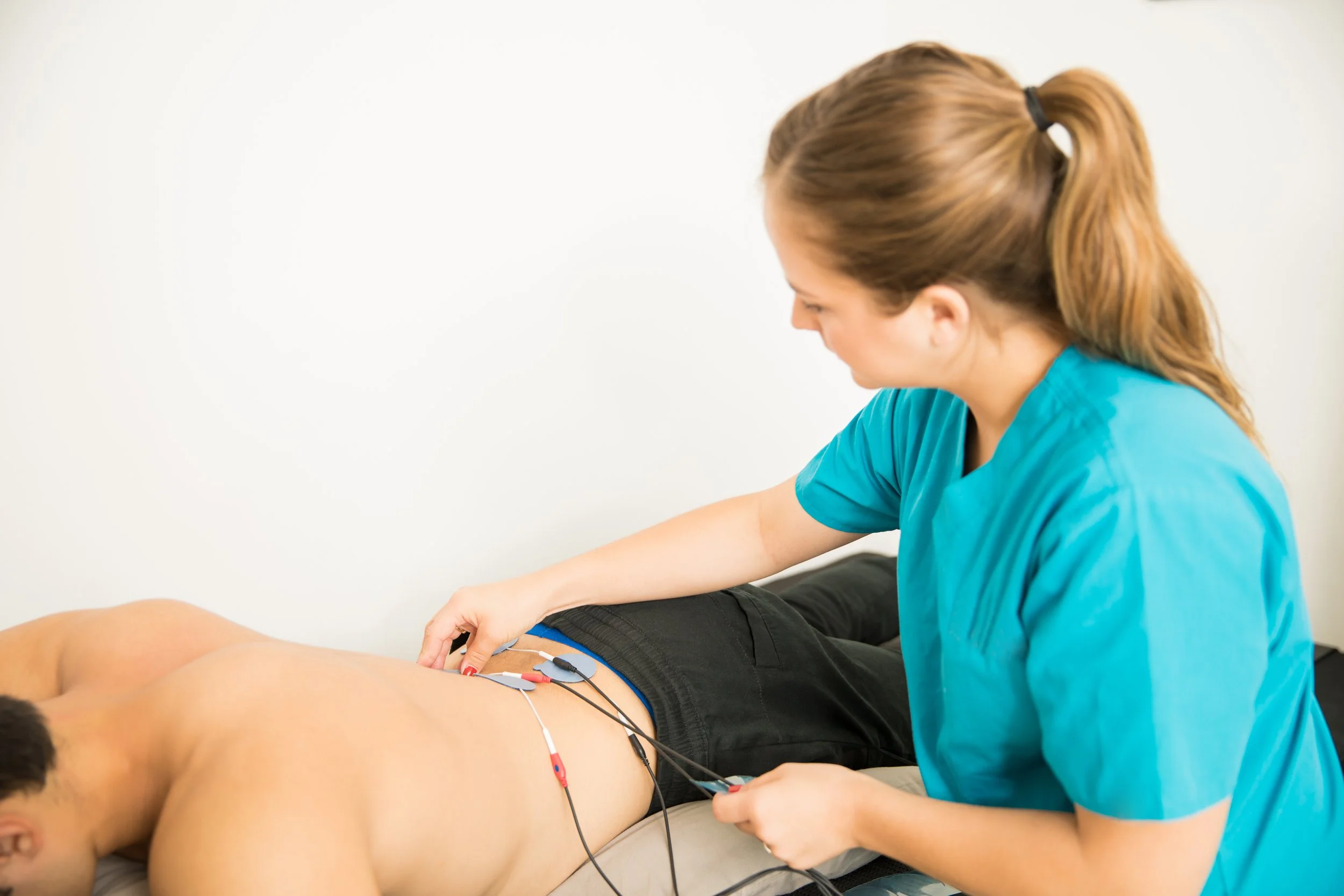
This trial helps you and your provider see if your pain changes with stimulation. See if it is manageable before getting a permanent device. During this period, you try different settings to determine which offers the most relief, and you share your observations on pain relief and any unusual sensations with your care team. While the temporary device is in place, you can note how it affects your symptoms. Your provider will review your feedback. This feedback helps your team understand your comfort, and they identify any needed adjustments.
The process provides information on whether spinal cord stimulation is suitable for your pain management, but no specific outcome is guaranteed. Your provider and care team will use the trial data to guide recommendations about the next step. During the trial, follow all activity guidelines to reduce the chance of equipment moving out of place. Avoid heavy lifting, strenuous activity, or bending over. Temporary stimulation does not require a commitment to surgery. Record pain levels and daily experiences, since this helps give your care team a clear picture.
Complications and Sensations
Some people experience tingling, numbness, or changes in sensation when using the device. These sensations are usually not harmful, and the care team may adjust settings. Infection is a potential risk after any surgery, even with sterile techniques and careful cleaning. If you have redness, swelling, drainage, or fever, inform your provider; early reporting supports prompt treatment and helps address any additional concerns. If your pain pattern changes unexpectedly, notify your care team. Do not hesitate to reach out. The team will decide if imaging is necessary or adjust the device, and another procedure might be suggested to reposition the leads. If the device will not charge, report these issues to your care team.
Schedule Spinal Cord Stimulation Today
Review your medical history today, and contact your surgical team. Preparation aids a smooth surgical experience. Before you arrive for the procedure, you should gather your test results. Follow the medical advice closely. Bring your questions to the clinic, and ask the provider about the trial phase. Take charge of your health. Because the process requires precise steps, you must prepare in advance.
- Understanding the Role of Pediatric Orthopedic Specialists in Children’s Health
- Navigating the Process of STD Testing
- When Should You See an Orthopedic Specialist for Hand Pain?
- Understanding the Different Types of Chemical Peels and Their Uses
- The Science of Skin Elasticity: Unlocking Youthful Texture with Bioactive Peptide Complexes