
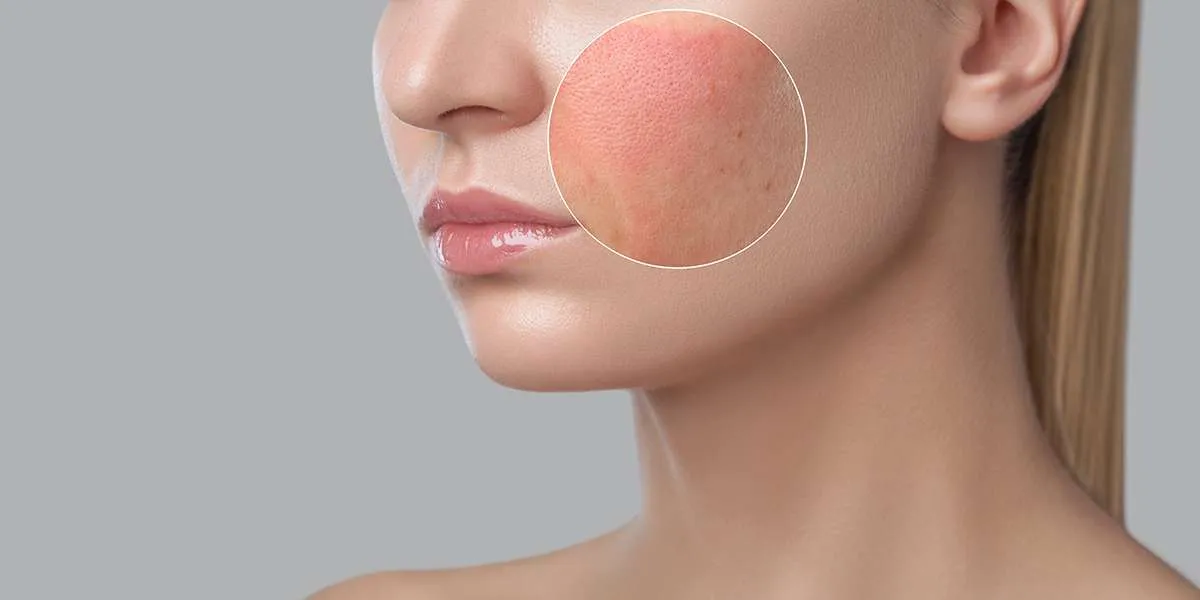
Rosacea is a common skin condition that affects the face, often producing redness, visible blood vessels, and small bumps. People who live with rosacea may notice that certain triggers make their symptoms worse, and sunlight is a common factor. Understanding how the sun interacts with this condition can help you manage your skin more effectively and reduce the frequency of flare-ups.
What Is Rosacea?
Rosacea is a long-term skin disorder that mainly involves the central part of the face. It tends to develop in adults, and it may appear as persistent flushing or redness that comes and goes over time. While the exact cause remains under study, researchers point to a combination of genetic factors, an overactive immune response, and abnormalities in the small blood vessels of the skin.
Sun exposure stands out as one of the most common triggers for people with this condition. Ultraviolet (UV) rays are able to damage the skin, and this may lead to increased redness and visible flushing. Heat from direct sunlight also raises the skin’s temperature, which can add to the discomfort. For many individuals, spending time outdoors without protection results in a noticeable worsening of symptoms. Because the face may receive significant daily sun exposure, protecting the skin is a central part of managing rosacea. Broad-spectrum sunscreen, protective clothing, and shade all play a role in limiting UV contact.
What Are the Signs?
Rosacea presents in several ways, and the signs may vary from one person to another. Recognizing these signs early can help you seek appropriate care. Common indicators range, including:
- Persistent Redness: A flushed appearance across the cheeks, nose, or forehead that does not fully fade.
- Visible Blood Vessels: Small blood vessels near the surface of the skin may become noticeable, a feature often described as spider veins.
- Notable Bumps: Some people develop red bumps that can resemble acne.
- Sensitive Skin: The affected areas may feel warm, tender, or prone to stinging and burning.
- Thickened Skin: The skin can thicken, particularly around the nose.
Symptoms often appear in cycles, with periods of flare-ups followed by times of improvement. Triggers such as sun exposure, heat, spicy foods, alcohol, and stress can bring on these episodes.
How Is It Treated?
Although rosacea has no permanent cure, a range of treatment approaches may help control symptoms and reduce their impact on daily life. A dermatologist can evaluate your skin, and they will recommend a plan suited to your specific type and severity. Topical medications applied directly to the skin are a common first step. These products aim to reduce redness and calm inflammation. For cases involving bumps and pimples, oral medications may be prescribed to address more persistent symptoms. Laser and light-based therapies represent another option, as they target visible blood vessels and can improve overall skin tone.
Daily skincare habits also contribute to symptom management. Using mild skin products helps to support the skin, and wearing broad-spectrum sunscreen every day is another practical step. Avoiding known triggers, including prolonged sun exposure, further supports the effectiveness of any treatment plan.
Meet With a Dermatologist
Managing rosacea works best when guided by a professional who understands the condition and its patterns. A dermatologist can assess your condition, and they will develop a personalized approach that fits your situation. With the right combination of sun protection and targeted treatment, people may find that their symptoms become more manageable. If you notice ongoing redness or other signs of this condition, reaching out to a dermatologist is a practical way to take control of your skin health and protect it from further sun-related effects.
- How To Prepare for Your Joint Injection Appointment
- Benefits of Using Invisalign Over Braces
- Why Medical AI Needs Diverse, Ethically Sourced Medical Imaging Data (and How to Get It)
- Sewer Backup Cleanup Companies: A Homeowner’s Guide for Emergencies
- The Role of Family Dentistry in Maintaining Oral Health




