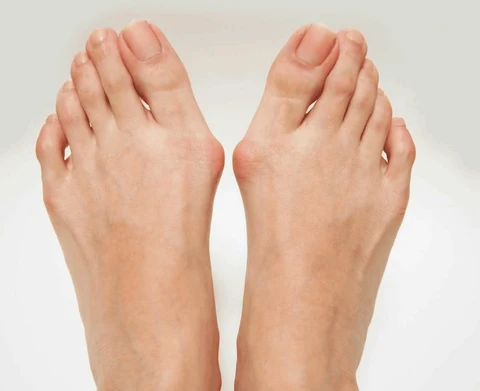

Podiatrists study how your feet move, and they treat problems that affect your daily comfort. When flat feet cause aching arches or tired heels, a podiatrist examines the root of the trouble. Their training covers many methods, from simple exercises to surgical repair. Here is more on how they can treat flat feet and foot pain:
Custom Orthotics
Custom orthotics are shoe inserts made to fit your exact foot shape. A podiatrist takes measurements, and they map the pressure points across each foot. Since flat feet lower your arch, these inserts add support where you feel strain.
The fitting process starts with a scan or a mold of your foot. Your podiatrist reviews how you walk, and the lab builds inserts based on that data. Orthotics fit inside most everyday shoes. They redistribute weight, and they ease pressure on your heels and arches. When you wear them daily, the support stays consistent throughout your activities.
Targeted Exercises
Targeted exercises aim to strengthen the muscles that hold up your arch. A podiatrist teaches specific moves, and they adjust the routine as your feet respond. Since weak muscles worsen flat feet, regular practice matters for steady progress.
Helpful exercises focus on a few key areas:
- Calf stretches to loosen tight tendons
- Toe curls that build arch strength
- Heel raises for ankle stability
- Towel scrunches to activate small foot muscles
Your podiatrist demonstrates each move during your visit. They correct your form, and they explain how often to repeat the sets. Since technique affects results, careful practice keeps the exercises safe.
Proper Footwear Guidance
Proper footwear supports flat feet during long days on your feet. A podiatrist reviews your current shoes and points out features that add or remove support. Since the wrong shoe strains your arches, this guidance targets your specific needs. They may suggest shoes with firm heels and wide toe boxes. Good arch support helps, and a stable sole keeps your foot aligned.
Surgical Interventions
Surgery becomes an option when other treatments fall short. A podiatrist reviews your history, and they recommend surgery only after careful evaluation. Since each case differs, the surgical plan matches your exact condition.
Several procedures address flat feet and related pain. Some reshape bones, and others repair tendons that support the arch. When you and your podiatrist discuss risks, you weigh recovery time against expected changes.
Recovery involves rest, follow-up visits, and gradual movement. Your podiatrist monitors healing, and they guide you through each stage. Since bodies heal at different rates, your timeline depends on your progress. Your first appointment includes an exam and a walking assessment. When you understand the plan, you make choices that fit your routine.
Schedule a Podiatrist Visit Today
Foot pain from flat feet doesn’t fade on its own, so a podiatrist identifies the cause and builds a plan around your symptoms. Since early care may slow further strain, timing plays a role in your treatment path. The podiatrist explains your options, and they answer your questions in plain terms. Reach out to a local podiatry clinic to book your visit; bring your usual shoes, and note when your pain feels worst.
- Understanding the Role of Pediatric Orthopedic Specialists in Children’s Health
- Navigating the Process of STD Testing
- When Should You See an Orthopedic Specialist for Hand Pain?
- Understanding the Different Types of Chemical Peels and Their Uses
- The Science of Skin Elasticity: Unlocking Youthful Texture with Bioactive Peptide Complexes