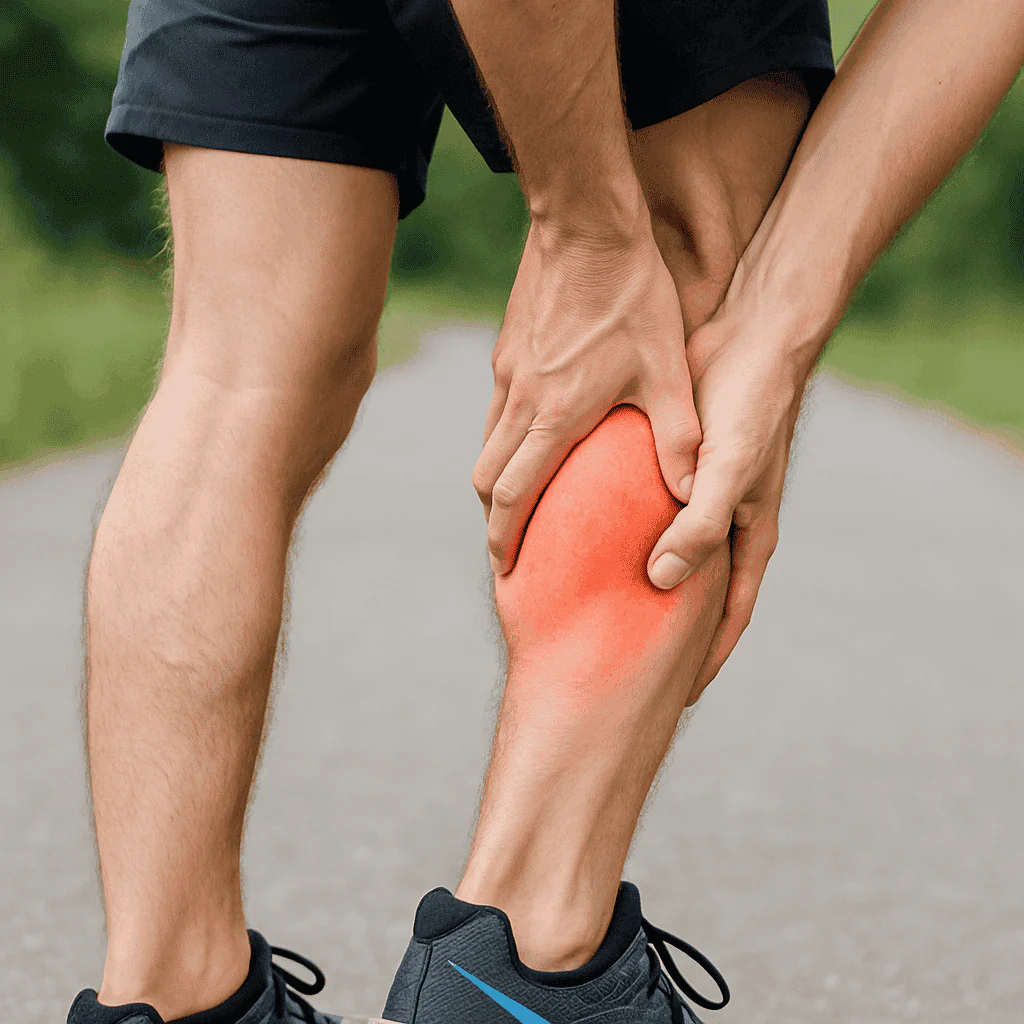
Leg pain has many possible sources, and some significant ones relate to the cardiovascular system. Your legs depend on healthy blood flow to function well, so problems with your arteries or veins can lead to discomfort, cramping, swelling, or aching. When blood cannot move freely to or from the lower limbs, the tissues may not receive enough oxygen or retain too much fluid. Here’s more information on the connection between circulation and leg pain and how to manage those health conditions:
Peripheral Artery Disease
Peripheral artery disease (PAD) develops when the arteries that supply blood to the legs become narrowed or blocked. This narrowing usually occurs because of atherosclerosis, a process in which fatty deposits called plaque build up along the inner walls of the arteries. These deposits reduce the space available for blood to flow, and the muscles in the legs may struggle to get enough oxygen during activity. People with PAD often notice leg pain, cramping, or fatigue when walking, which tends to ease with rest.
Treatment focuses on improving circulation and managing the factors that contribute to plaque buildup. A specialist may recommend lifestyle adjustments such as regular walking, a balanced diet, and quitting smoking. In more advanced cases, procedures such as angioplasty or bypass surgery may be discussed to restore better blood flow through the affected arteries. Medications can also help control:
- Cholesterol
- Blood Pressure
- Blood Sugar
Chronic Venous Insufficiency
Veins rely on small valves to keep blood moving upward; when those valves weaken, blood pools in the lower legs. Chronic venous insufficiency occurs when the veins in the legs have trouble returning blood to the heart. Common causes of venous insufficiency include aging, prolonged standing or sitting, a history of blood clots, and a family history. Treatments for chronic issues aim to improve circulation and reduce pooling.
Symptoms from venous insufficiency often involve swelling, heaviness, aching, skin changes, or the appearance of varicose veins. Compression stockings are a widely used management option, and elevating the legs may relieve swelling. Regular movement and weight management can also support healthier veins. For more persistent cases, a specialist may suggest minimally invasive procedures that close or remove problem veins so that blood can reroute through healthier pathways.
Deep Vein Thrombosis
Deep vein thrombosis (DVT) occurs when a blood clot forms in a deep vein, most often in the leg. Reduced movement, injury to a vein, certain medical conditions, and factors that increase the risk of blood clotting can all contribute to its development. Treatment typically centers on preventing the clot from growing and reducing the risk of complications. Anticoagulant medications, often called blood thinners, are commonly prescribed to prevent blood clots. Compression stockings are used to support circulation during recovery, but additional procedures may be discussed to directly address the clot.
Contact a Leg Pain Specialist
Leg pain can stem from several cardiovascular conditions, and identifying the source is a key step toward finding targeted relief. Peripheral artery disease, chronic venous insufficiency, and deep vein thrombosis each affect circulation in different ways. To learn what may be causing your leg pain, contact a cardiologist to schedule a consultation.
- Understanding the Role of Pediatric Orthopedic Specialists in Children’s Health
- Navigating the Process of STD Testing
- When Should You See an Orthopedic Specialist for Hand Pain?
- Understanding the Different Types of Chemical Peels and Their Uses
- The Science of Skin Elasticity: Unlocking Youthful Texture with Bioactive Peptide Complexes