
Varicose veins are enlarged or twisted veins that may cause discomfort, swelling, heaviness, or visible changes in the legs. Treatment options can vary depending on the severity of symptoms, vein function, and overall health needs. Here are some effective treatments for varicose veins:
Conservative Care
Conservative care is usually the first step in treating varicose veins, and it focuses on managing symptoms without surgery. These methods will not remove affected veins, but they can reduce discomfort and slow the progression of new ones. Here are several conservative measures that can ease common symptoms:
- Compression stockings: These snug garments apply gentle pressure to the legs, helping blood flow upward and reducing swelling.
- Regular movement: Walking, stretching, and standing breaks help keep blood flowing and reduce strain on your veins.
- Leg elevation: Raising your legs above heart level for short periods can relieve leg heaviness and fatigue.
- Weight management: Maintaining a stable weight reduces pressure on the veins in your lower body.
These approaches, when practiced consistently, can significantly alleviate discomfort and promote better vascular health.
Targeted Sclerotherapy Treatment
Sclerotherapy is a common in-office procedure that targets small to medium varicose veins. A provider injects a special solution directly into the affected vein, which irritates the vein wall, causing it to collapse and close. Blood then reroutes to healthier veins nearby, while the treated vein gradually fades over time. This treatment works well for spider veins and smaller varicose veins that sit close to the surface. Your provider may recommend more than one session, depending on the number and size of veins. After the procedure, you may need to wear compression stockings to support the treated area and improve results.
Minimally Invasive Laser Ablation Treatments
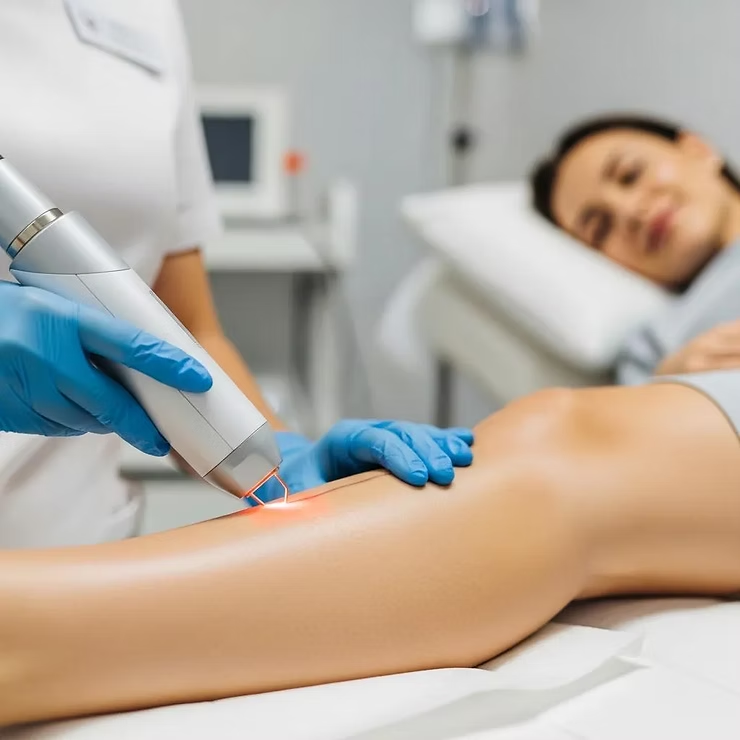
Laser and ablation treatments use heat to seal problem veins from the inside. Endovenous laser and radiofrequency ablation are two common options; they rely on a thin fiber or catheter guided into the vein. The device delivers controlled energy that closes the vein, and your body slowly absorbs it over time. These procedures are minimally invasive, and they typically require only local anesthesia. Here are some key features of these treatments:
- Small entry points: The catheter is inserted through a tiny puncture rather than a large incision, reducing scarring.
- Quick recovery: People often walk shortly after the procedure and resume light activity within a day or two.
- Targeted precision: Imaging guidance helps the provider treat the exact vein causing symptoms.
These minimally invasive options provide a middle ground between conservative care and surgery, and your provider can explain which method best suits your veins.
Surgical Vein Removal
Surgical vein removal may be an option when veins are large, painful, or unresponsive to other treatments. Vein ligation and stripping are traditional approaches in which a surgeon ties off and removes the affected vein through incisions. Ambulatory phlebectomy is another method, and it removes surface veins through tiny punctures using specialized tools. Both procedures are performed by trained specialists, and they often involve anesthesia. Recovery from surgery generally takes longer than recovery from minimally invasive treatments. You may need to limit strenuous activity for a short period, and your provider will give you specific aftercare guidance.
Schedule Your Varicose Veins Appointment
Varicose veins develop when weakened valves allow blood to pool, and several treatments can address appearance and symptoms. Conservative care offers a practical first step, while sclerotherapy targets smaller veins with an injection. Laser and ablation treatments seal problem veins through minimally invasive techniques, and surgical removal remains available for larger or persistent cases. Contact a qualified vein specialist near you to schedule your appointment for varicose veins today.
- How To Prepare for Your Joint Injection Appointment
- Benefits of Using Invisalign Over Braces
- Why Medical AI Needs Diverse, Ethically Sourced Medical Imaging Data (and How to Get It)
- Sewer Backup Cleanup Companies: A Homeowner’s Guide for Emergencies
- The Role of Family Dentistry in Maintaining Oral Health




