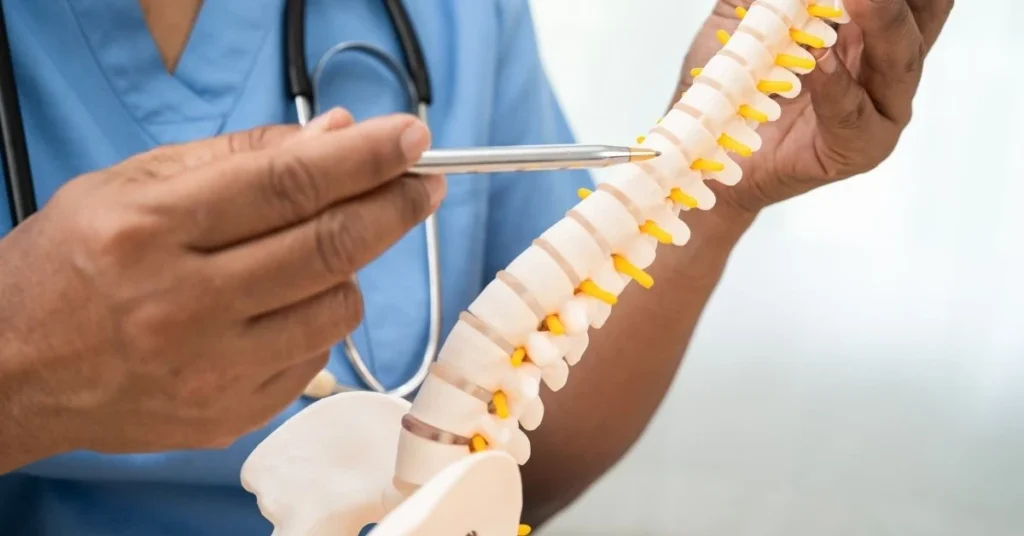

Back pain affects people of various ages, activity levels, and occupations, and left unmanaged, it can disrupt sleep, limit mobility, and reduce quality of life over time. A sustainable relief plan addresses both the symptoms and their root causes, offering a structured, lasting recovery. Here is more information on creating a sustainable back pain relief plan:
What Is Back Pain?
Back pain refers to discomfort, stiffness, or aching that occurs anywhere along the spine, from the cervical (neck) region to the lumbar (lower back) area. It ranges in severity from mild, intermittent soreness to chronic, debilitating pain, limiting daily function. Back pain relief is the process of reducing or eliminating that discomfort through targeted, evidence-based interventions, and understanding the nature of back pain helps when choosing the right treatment approach.
What Causes It?
Back pain arises from a wide range of physical, lifestyle, and medical factors. Muscle strain, herniated discs, and poor posture are among the most frequent causes, and spinal stenosis further compounds the issue in some cases. Sedentary behavior places significant pressure on the lumbar spine, so prolonged sitting weakens the surrounding musculature over time. Underlying conditions such as osteoarthritis or scoliosis also contribute to chronic discomfort.
Lifestyle factors play a role in the development of back pain. Excess body weight shifts the body’s center of gravity, increasing spinal load and accelerating joint degeneration. Nutritional deficiencies weaken bone density. Calcium and vitamin D deficiencies can raise the risk of vertebral fractures, and identifying these contributing factors accurately allows healthcare providers to design relief plans that target the actual source of pain.
What Are Back Pain Relief Plans?
A back pain relief plan is a structured, multi-modal treatment program designed to reduce pain, restore function, and prevent recurrence. These plans are not one-size-fits-all; they are individualized based on diagnosis, pain severity, and patient health history. Effective plans typically integrate chiropractic adjustment alongside medical and sports therapy, ergonomic adjustments, and functional exercises. Each component addresses a different dimension of the patient’s condition, creating a comprehensive plan for recovery.
Chiropractic adjustment realigns the spine and reduces nerve irritation, while medical and sports therapy address soft tissue damage and improve neuromuscular function. Functional exercises rebuild core strength and flexibility, supporting spinal stability during daily movement. Nutrition counseling targets inflammation and bone health, and ergonomic adjustments modify the patient’s environment to reduce mechanical strain. These elements form a cohesive, sustainable strategy.
How Are They Created?
The creation of a back pain relief plan begins with a thorough clinical assessment. A qualified healthcare provider reviews the patient’s medical history, conducts a physical examination, and may order imaging studies such as X-rays or MRIs. This diagnostic phase establishes the precise nature and origin of the pain before any treatment begins. The provider then develops a phased treatment plan tailored to the patient’s condition and goals. Patient education may form a component of some relief plans.
- Understanding postural mechanics and movement patterns helps patients avoid re-injury in daily life.
- Nutrition guidance equips patients with strategies to manage inflammation and support tissue repair.
- Ergonomic modifications reduce cumulative mechanical stress on musculoskeletal structures during daily occupational activities.
Adherence to the plan, including recommended exercises, dietary changes, and ergonomic modifications, may improve treatment outcomes.
Find Relief Today
Back pain is a complex condition, but a well-structured relief plan can make lasting recovery achievable. By combining chiropractic care, targeted therapy, functional exercise, nutritional support, and ergonomic adjustments, patients gain a comprehensive plan to manage and overcome pain. Consult a qualified healthcare professional to begin your assessment and develop a plan tailored to your specific needs.
- Understanding the Role of Pediatric Orthopedic Specialists in Children’s Health
- Navigating the Process of STD Testing
- When Should You See an Orthopedic Specialist for Hand Pain?
- Understanding the Different Types of Chemical Peels and Their Uses
- The Science of Skin Elasticity: Unlocking Youthful Texture with Bioactive Peptide Complexes