Pediatric dermatology manages skin, hair, and nail conditions in patients from birth through adolescence. Children’s skin differs from adult skin in thickness and sensitivity, so diagnosis and care must match a child’s age and development. Here are some common pediatric dermatology concerns:
Atopic Dermatitis
Atopic dermatitis, often called eczema, is a chronic inflammatory skin condition. It usually begins before age 5, and many cases appear within the first year of life. Symptoms include dry, itchy patches that may look red on lighter skin tones and brown or gray on darker skin tones. In infants, the rash often appears on the cheeks and scalp. Older children often develop patches in the creases of the elbows and knees.
Although eczema can vary over time, it follows a pattern of flares and calmer periods. Common triggers include dry air, sweat, and certain allergens. Scratching damages the skin barrier, so affected areas may thicken over time or become infected.
Daily skin care is key to management. Using fragrance-free cleansers and thick moisturizers helps reduce skin irritation. If symptoms do not improve with daily skin care, a dermatologist often prescribes topical anti-inflammatory medications. Children with moderate to severe symptoms can qualify for newer systemic therapies, and treatment plans differ from child to child.
Congenital Birthmarks
Congenital birthmarks are skin markings present at birth or appearing shortly after, and they vary in size and color. Birthmarks fall into two main groups: vascular and pigmented. Vascular birthmarks form from blood vessels that did not develop typically. Infantile hemangiomas are common; they grow rapidly for several months and then slowly shrink over time. Port-wine stains are flat, pink-to-dark-red patches that last a lifetime and may darken with age. Salmon patches are faint pink marks on the neck, eyelids, or forehead that often fade.
Pigmented birthmarks result from clusters of pigment cells. Congenital moles range from a few millimeters to many centimeters across. Café-au-lait spots are flat and light brown, and six or more may prompt further evaluation. Blue-gray patches on the lower back usually fade as children grow.
Skin Infections
Bacteria, viruses, and fungi all cause skin infections in children. A pediatric dermatology clinic can treat:
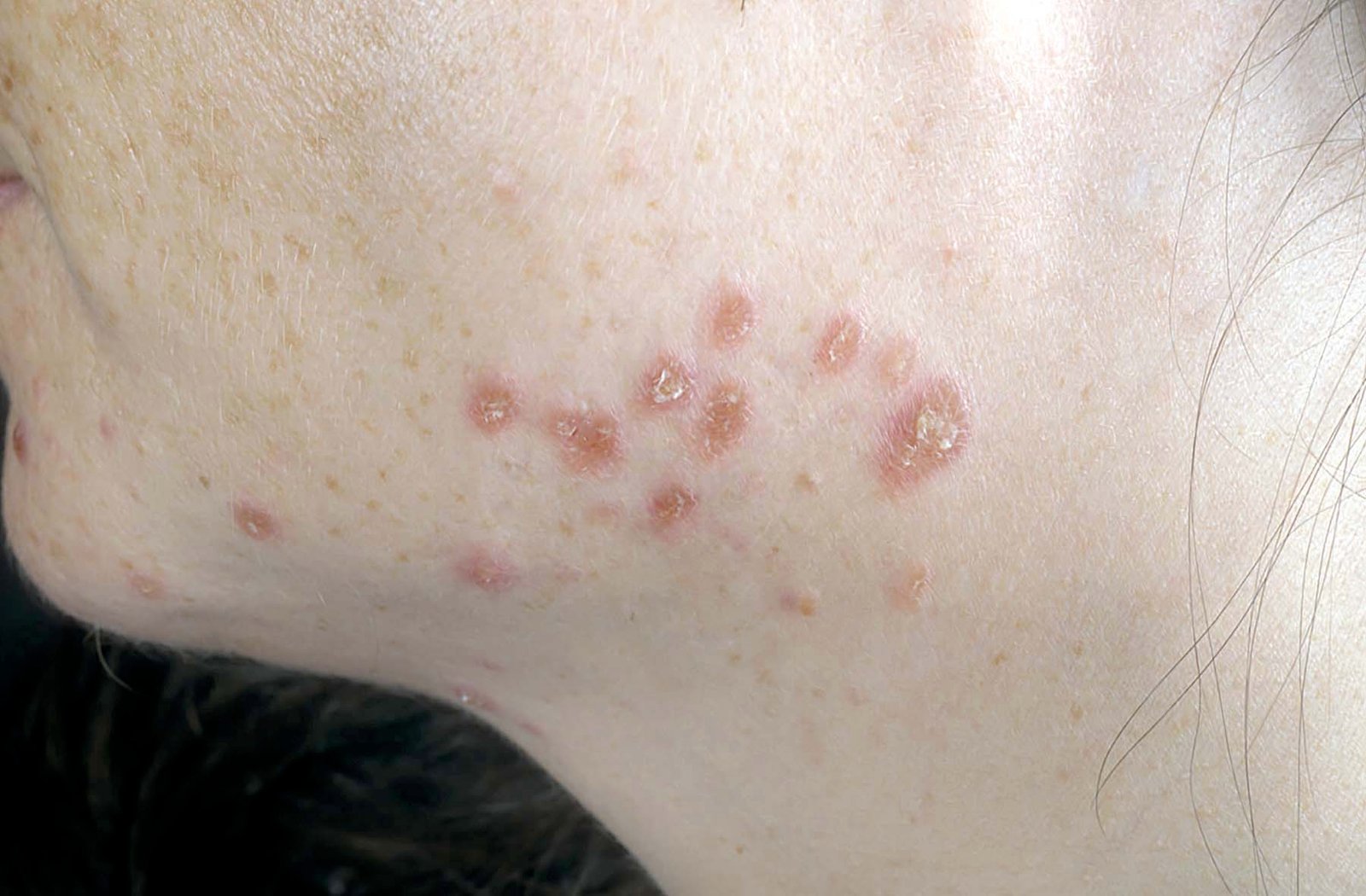
- Impetigo: This contagious bacterial infection produces red sores, often around the nose and mouth. The sores break open and form honey-colored crusts. Treatment usually involves a topical or oral antibiotic.
- Molluscum contagiosum: This causes small, firm, dome-shaped bumps with a central dimple. The viral infection spreads through skin contact and shared towels, and it may take a year or longer to clear.
- Warts: These frequently appear on the hands and feet. They are rough, raised growths that can spread through direct skin contact or by touching contaminated surfaces.
Visit a Pediatric Dermatology Clinic
Skin conditions in children range from mild and temporary to persistent and complex. During a visit, a pediatric dermatologist examines the skin, reviews your child’s history, and recommends a care plan suited to their age. Treatment results vary by patient, so follow-up appointments let the dermatologist adjust the plan. Schedule an appointment with a pediatric dermatology clinic today.