
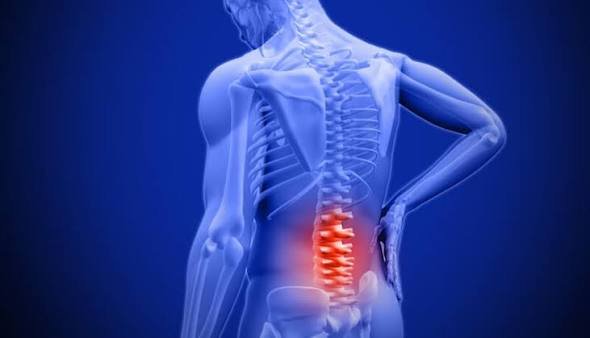
Spine pain is one of the most common physical complaints reported by adults. The spine is a remarkably intricate structure, bringing together bones, joints, ligaments, nerves, tendons, and cartilage, and these all work in concert to support the body and allow movement. Because so many parts interact, pain can arise from many different sources.
What Causes Spine Pain?
Spine pain stems from a wide range of conditions. A spinal disc is a soft, cushion-like pad positioned between the bones of the spine, known as vertebrae. Each disc has a rubbery outer layer surrounding a softer, gel-like center, and a herniated disc happens when that inner material pushes through the outer wall. When this occurs, people may notice tingling, numbness, or pain in the neck or back. Herniated discs can develop through gradual wear and tear.
Spinal stenosis describes a narrowing of the open space inside the spine. As that space tightens, the nerves running through it can face added pressure. Some people are born with a naturally narrow spinal canal, and others develop stenosis over time. Like a herniated disc, spinal stenosis may produce tingling, numbness, and pain along the affected nerves.
Several other conditions can also lead to spine pain, such as degenerative disc disease, muscle strains, arthritis, and injuries. Spine pain is temporary and manageable with conservative care for many, and for others, it becomes a long-term or disabling condition that significantly affects daily life. Identifying the true source of the pain is a key first step toward finding lasting relief.
How Is the Cause Diagnosed?
Many spine conditions share overlapping symptoms, so an accurate diagnosis is a necessary part of finding the right care. Because tingling, numbness, and pain can point to several different problems, a specialist works methodically to narrow down the cause. The process usually begins with a physical examination and a review of the patient’s medical history. When more detail is needed, a specialist may order imaging or nerve-focused tests. Common options include:
- X-ray: Shows the bones of the spine and can reveal issues such as bone spurs or alignment problems.
- MRI: Produces detailed images of soft tissues like discs, nerves, and ligaments.
- Electromyography (EMG): Measures the electrical activity in muscles.
- Nerve Conduction Study (NCS): Checks how well signals travel along the nerves.
These tools help a doctor build a clear picture of the problem and choose a treatment approach suited to the individual.
How Is This Pain Treated?
Treatment for spine pain depends on how severe the pain is, as well as what is causing it. These vary from person to person, so care plans are tailored to each situation rather than following a single fixed formula. People typically begin with conservative, non-surgical options. These commonly include:
- Physical therapy to strengthen supporting muscles and improve movement.
- Pain relievers to help manage discomfort.
- Injections aimed at reducing inflammation or easing pain.
When these approaches do not deliver enough relief, or when the underlying condition calls for it, surgery may become an option. Specialists can perform both minimally invasive procedures and traditional surgical techniques, but this depends on the nature of the problem. Minimally invasive methods often involve smaller incisions. Traditional procedures may be better suited to more complex cases.
Consult an Orthopedic Specialist
Because so many conditions produce similar symptoms, a professional evaluation offers the clearest path toward lasting comfort. An orthopedic specialist will examine your symptoms, and they can outline a plan that matches your specific needs. Prompt, informed care gives you the best opportunity to move comfortably again and return to your daily activities.
- Understanding the Role of Pediatric Orthopedic Specialists in Children’s Health
- Navigating the Process of STD Testing
- When Should You See an Orthopedic Specialist for Hand Pain?
- Understanding the Different Types of Chemical Peels and Their Uses
- The Science of Skin Elasticity: Unlocking Youthful Texture with Bioactive Peptide Complexes