
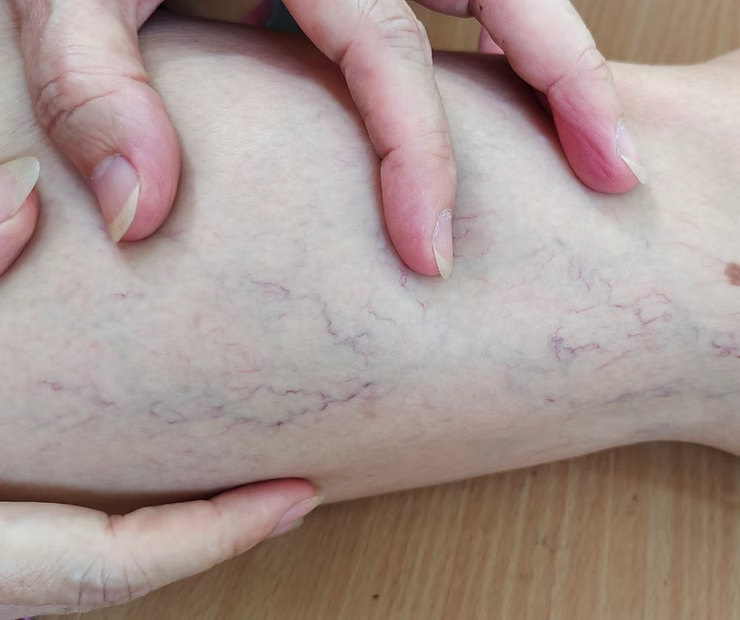
A spider vein is a smaller damaged blood vessel that appears just beneath the surface of the skin. They often look like thin red, blue, or purple lines that branch out in web-like or branch patterns. These veins develop when the tiny valves inside them weaken and stop directing blood in the right direction, allowing blood to pool. While spider veins are usually a cosmetic concern, they can sometimes signal underlying circulation issues worth evaluating. Here’s information on spider veins:
Causes and Risk Factors
Spider veins form when pressure builds inside small blood vessels and weakens their walls or valves; several factors raise your likelihood of developing them. Spider veins most often appear on the legs and thighs, where standing places extra pressure on the veins. They also may show up on the face, particularly around the nose and cheeks, where sun exposure has increased their visibility. Genetics play a significant role, so people with a family history of vein problems face a higher risk.
Age is another common factor, since vein valves tend to weaken over time. Hormonal changes linked to pregnancy, menopause, or hormone therapy can also contribute. Other risk factors include prolonged standing or sitting, excess body weight, prolonged sun exposure, and previous skin injuries.
Symptoms and Life Impacts
For many people, spider veins produce no physical discomfort and are purely a cosmetic issue. In some cases, symptoms may appear, causing aching, burning, throbbing, or a heavy feeling in the legs, especially after long periods of standing. This may indicate an underlying vascular concern that needs to be addressed. Some people notice mild itching or swelling near the affected veins, and these sensations may become more noticeable at the end of the day. When symptoms interfere with aesthetics, comfort, or daily activities, many people choose to explore treatment options.
Treatments and Recovery
Several treatment approaches can reduce the appearance of spider veins and ease related symptoms. The right choice depends on the location, size, and severity of the veins. Compression stockings apply gentle, steady pressure to the legs, which supports blood flow back toward the heart and can help relieve aching or swelling. Compression stockings are non-invasive and are often recommended as an at-home management option. They do not remove existing veins, but they may help manage symptoms and slow the development of new ones.
Endovenous Laser Therapy
Endovenous laser therapy uses focused light energy to close off targeted veins, offering a minimally invasive treatment option that’s performed in an office setting. During this therapy, a specialist inserts a thin laser fiber into the vein, and the heat causes the vein to seal and gradually fade. Recovery is quick, and most people return to normal activities within a short period, though some bruising or tenderness may occur.
Sclerotherapy
Sclerotherapy involves injecting a solution directly into a specific vein, causing it to collapse. The solution irritates the vein lining, leading to its collapse, after which the body gradually absorbs it. Treated veins tend to fade over several weeks. Multiple sessions may be needed for effective results, and patients are often advised to wear compression stockings afterward to support healing.
Treat Your Spider Veins
Spider veins are common, and a range of options exists to address both their appearance and any related discomfort. Because each case is different, the most effective approach depends on your individual situation, health history, and goals. To learn more about your vein health, contact a vascular specialist to schedule a consultation. A vascular specialist can examine your veins, discuss potential causes, and recommend a treatment plan suited to your needs.
- How To Prepare for Your Joint Injection Appointment
- Benefits of Using Invisalign Over Braces
- Why Medical AI Needs Diverse, Ethically Sourced Medical Imaging Data (and How to Get It)
- Sewer Backup Cleanup Companies: A Homeowner’s Guide for Emergencies
- The Role of Family Dentistry in Maintaining Oral Health




