
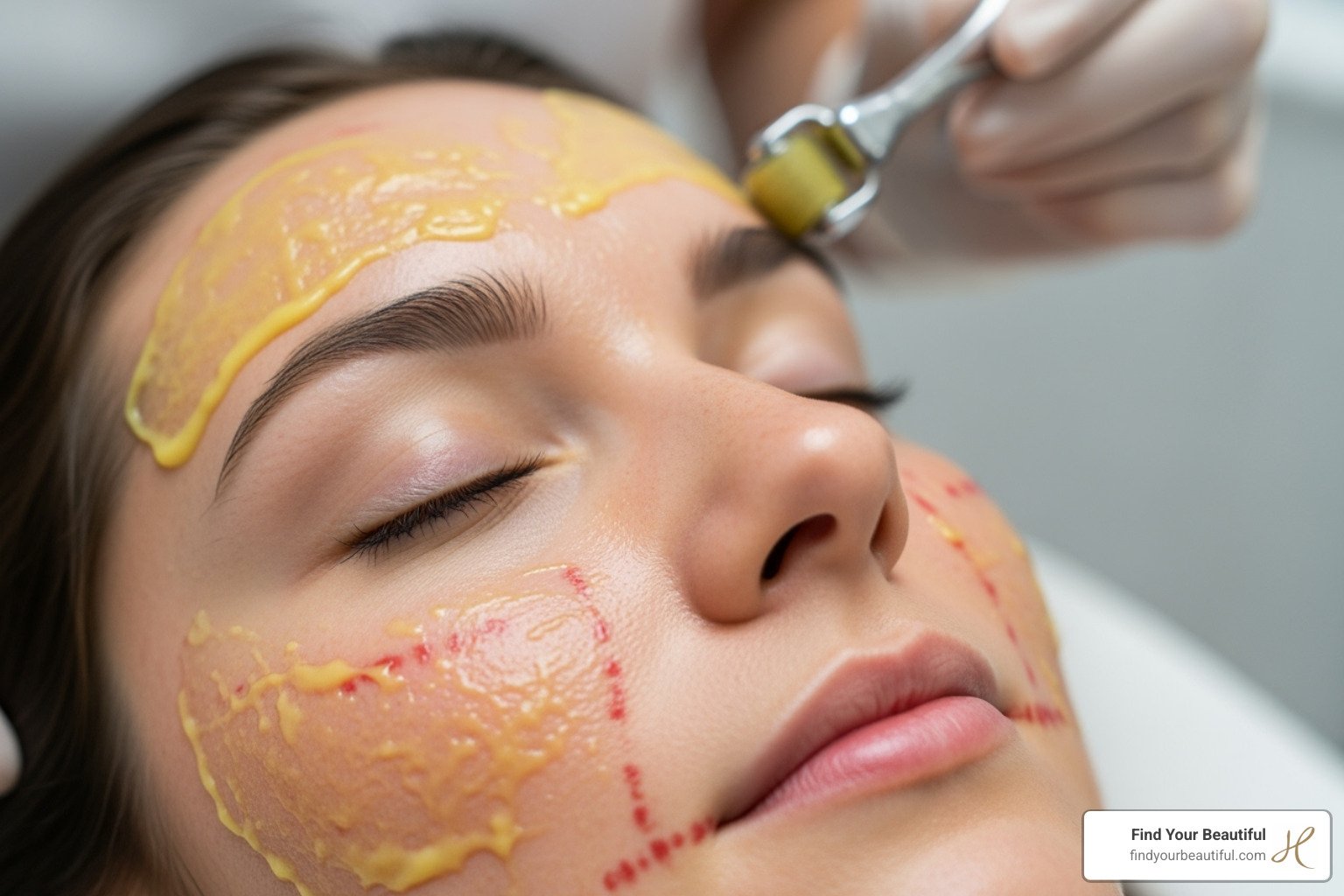
Uneven skin tone is common, and photo facials are a reliable, non-invasive treatment option for addressing it. These facials use broad-spectrum light to penetrate the skin and break down excess melanin, which reduces the appearance of dark spots and discoloration. Here is more information on pigmentation issues, their underlying causes, and the mechanisms by which photo facials treat them:
What Are Pigmentation Issues?
Pigmentation issues refer to changes in skin color caused by an overproduction or uneven distribution of melanin. Melanin is the pigment responsible for skin, hair, and eye color, and when melanocytes become overactive or unevenly distributed, visible changes in skin tone occur. These changes can manifest as dark spots, patches, or areas of discoloration on the skin’s surface, affecting aesthetics and overall appearance. A photo facial is a targeted treatment for addressing these concerns, as they use broad-spectrum light to break down excess melanin at its source.
What Causes Them?
Pigmentation develops when melanin-producing cells, known as melanocytes, become overactive. Several factors can trigger this overactivity, including:
- Sun exposure: UV rays stimulate excess melanin production over time, making this a common cause of pigmentation issues.
- Hormonal changes: Fluctuations during pregnancy or as a result of contraceptive use can contribute to conditions like melasma.
- Skin injuries: Acne, cuts, or burns may leave behind post-inflammatory hyperpigmentation as the skin heals.
- Genetics and age: Some individuals are naturally more prone to developing dark spots, while others experience increased pigmentation as part of aging.
Understanding the underlying cause of pigmentation helps determine the most effective treatment approach.
What Are Photo Facials?
A photo facial, which is also called IPL (intense pulsed light) therapy, is a non-invasive skin treatment. It uses broad-spectrum light to target specific skin concerns, and the light energy penetrates the skin without damaging the surface, selectively breaking down pigment while stimulating collagen production. Sessions require no downtime.
These facials differ from laser treatments in that they emit multiple wavelengths of light rather than a single focused beam, which makes them well-suited for treating a range of pigmentation concerns across larger surface areas. They are versatile. A trained clinician will adjust the light settings based on skin type, tone, and the nature of the pigmentation being treated, and this helps tailor the treatment to the individual patient’s needs.
How Can Facials Help?
IPL therapy targets melanin concentrated in dark spots and patches. The light energy is absorbed by the pigment, which then breaks down and rises to the skin’s surface. It naturally sheds over time. As this process repeats across multiple sessions, discoloration gradually reduces and skin tone becomes more even; patients may require multiple sessions to achieve results.
Photo facials are effective for sun-induced pigmentation, age spots, and mild melasma; this makes facial treatments a versatile option for some patients. Darker skin tones contain higher levels of melanin, so light settings are carefully calibrated to avoid irritation. Consulting with a qualified clinician before beginning treatment is recommended. This helps determine whether photo facials are appropriate for the patient’s specific skin type and pigmentation concerns.
Address Your Pigmentation Issues Now
Pigmentation issues are a common skin concern, and photo facials offer a non-invasive approach to reducing discoloration. Aesthetic improvement is achievable with the right guidance. If you experience pigmentation issues, speak with a clinician at an aesthetic and wellness clinic.
- How To Prepare for Your Joint Injection Appointment
- Benefits of Using Invisalign Over Braces
- Why Medical AI Needs Diverse, Ethically Sourced Medical Imaging Data (and How to Get It)
- Sewer Backup Cleanup Companies: A Homeowner’s Guide for Emergencies
- The Role of Family Dentistry in Maintaining Oral Health




