Understanding the available options for family planning can help people choose what suits their circumstances. A vasectomy is one method that men may explore, typically when they want a long-term approach to preventing pregnancy. This procedure is an established form of male sterilization, and knowing the basics can support informed conversations with a healthcare provider.
What Is a Vasectomy?
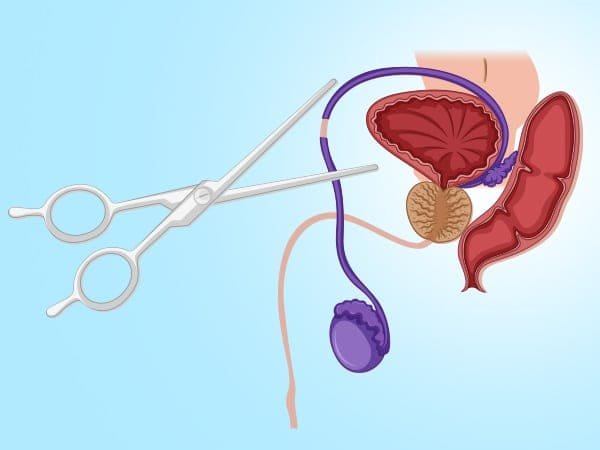
A vasectomy is a surgical procedure that interrupts the pathway sperm travel through before leaving the body. Men have two small tubes called the vas deferens, and they carry sperm from the testicles toward the urethra. During a vasectomy, a healthcare provider cuts, seals, or blocks these tubes. This prevents sperm from mixing with the fluid that is released during ejaculation.
The procedure is often described as a permanent form of birth control. After a vasectomy, the body continues to produce sperm, but the sperm are absorbed naturally rather than passing through the reproductive tract. Because the surgery focuses only on the vas deferens, other functions related to hormones and sexual activity generally remain unchanged.
What Does It Involve?
The specifics of a vasectomy can vary depending on the technique a provider uses. In the conventional approach, a provider makes one or two small incisions in the skin of the scrotum to reach the vas deferens. The tubes are then cut and sealed, and the incisions may be closed with stitches.
An open-ended vasectomy is a variation of the conventional approach that some providers use. In this technique, only one end of the vas deferens is sealed, and the other end is left open. This allows fluid to flow more freely, which may help reduce pressure buildup in the epididymis.
Following the surgery, providers often give instructions related to rest, activity limits, and care of the treated area. A vasectomy does not produce immediate results, and sperm may remain in the reproductive tract for a period after the procedure. Providers generally recommend follow-up testing to confirm the procedure’s success or identify complications.
Who Is It For?
A vasectomy may appeal to men who have decided they do not want to father children in the future. This can include individuals or couples who are seeking a long-term option, rather than a temporary one. Some men explore this procedure as a way to share responsibility for family planning within a relationship. It involves a single procedure with a defined recovery period, so some may find it a practical alternative to methods that require regular maintenance.
Age, health history, and personal goals all influence whether someone chooses to pursue a vasectomy. Reversing one can be complex and is not always successful, so providers typically discuss the permanent nature of the procedure beforehand. Before committing to a permanent procedure, individuals uncertain about future family plans may wish to review other reversible options with a medical professional.
Seek Professional Men’s Health Care
Making a decision about a vasectomy is a choice that benefits from accurate information and professional guidance. A healthcare provider can explain the procedure in detail, and they will address individual health factors that affect the outcome. Understanding the full scope of the procedure, including recovery and follow-up steps, helps people approach the decision with clarity.