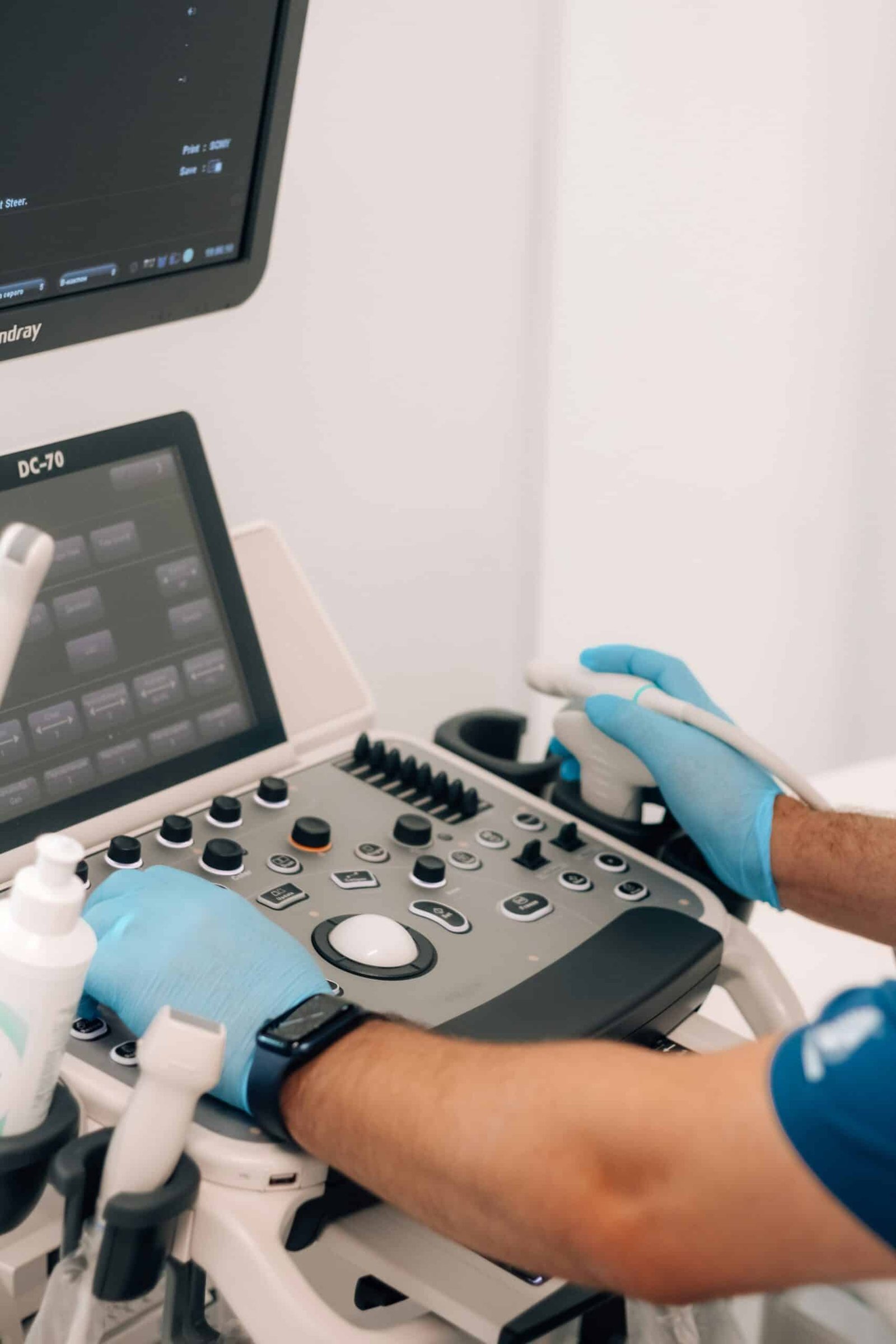
Gynecology is the branch of medicine devoted to the female reproductive system and the health concerns connected to it. This system includes the uterus, cervix, fallopian tubes, vagina, and ovaries; each of these plays a distinct role in reproductive and hormonal function. A gynecologist is a physician trained to evaluate, diagnose, and manage the conditions that affect these organs. Understanding what this field covers helps you recognize when a visit may be worthwhile, as well as what to expect once you arrive.
What Does a Gynecologist Treat?
A gynecologist can address a broad range of conditions that affect the reproductive organs and related systems. Common concerns include premenstrual syndrome, which brings physical and mood-related changes before menstruation, and endometriosis, a condition in which tissue similar to the uterine lining grows outside the uterus. Patients may also seek help for urinary incontinence; this is the involuntary loss of bladder control.
Other frequently treated issues include yeast and bacterial infections, painful intercourse, and the symptoms that accompany menopause. Gynecologists also manage fibroids, which are noncancerous growths in the uterus, along with ovarian cysts. Gynecologists provide routine preventive services. These include well-woman exams for both adolescents and adults, and Pap smears are used to check for early signs of cervical cancer. A gynecologist can also guide patients through birth control options.
When Should You Seek Care?
Reasons to visit a gynecologist include routine preventive care and the presence of new or ongoing symptoms. Preventive visits allow a physician to monitor reproductive health over time, and they can perform standard screenings during an appointment. Scheduling regular appointments supports early detection, providing you a chance to ask questions about your body.
Symptom-based visits are prompted by specific changes that call for evaluation. This can include irregular or heavy menstrual bleeding, and other specific signs indicate the need for a visit, such as pelvic pain, discomfort during intercourse, or unusual discharge. Signs related to hormonal shifts, such as those tied to menopause, may also lead someone to seek guidance.
Gynecologic care is relevant across many life stages, and adolescents can begin visits as their bodies mature and menstruation starts. Adults of reproductive age may seek care for contraception, family planning, and general reproductive health. As people approach and pass through menopause, care shifts toward managing hormonal changes and monitoring long-term health.
What Does Treatment Involve?
Treatment begins with an accurate diagnosis. A physician gathers information about your symptoms, and they may use imaging and specialized tools to identify the cause. Ultrasound is one common method, producing images of the reproductive organs. Other diagnostic techniques include laparoscopy, a minimally invasive procedure that allows a physician to view internal structures, and hysteroscopy, which examines the inside of the uterus.
Once a diagnosis is established, treatment can start with conservative approaches. Many conditions respond well to medication or hormone therapy, but when symptoms do not respond to noninvasive care, surgical treatment may be an option. Procedures can include endometrial ablation, which reduces the uterine lining. More extensive surgeries include the removal of the uterus, the removal of the ovaries, and the removal of the fallopian tubes.
Speak Further With a Doctor
Reproductive health changes throughout life, and staying informed can help you make choices about your care. A gynecologist may explain how a specific condition developed, what monitoring looks like over time, and which approaches align with your health goals. Open conversation with a physician gives you an understanding of your options, helping to support long-term well-being.
- What To Expect During Your First Gynecologist Appointment
- How Hiring Plumbing Services in Glendale Prevents Slab Leaks
- How Historic Homeowners Utilize Plumbing Services in Portland to Prevent Winter Pipe Freezes
- The Role of Regular Check-Ups With Your Gynecologist
- Understanding the Benefits of Non-Surgical Spinal Decompression for Chronic Pain Relief