After a hard training session, your legs often feel heavy, tight, and tired. Whether you have just finished a long run, a leg day at the gym, a cycling session, or a full shift on your feet, the hours that follow matter almost as much as the workout itself. Recovery is when muscles settle, stiffness eases, and the body prepares for the next effort. One recovery tool that has moved from physical therapy clinics into ordinary homes is leg compression massage. This guide explains what it is, how it works, and the potential benefits it may offer as part of a relaxing post-workout routine.
What Is Leg Compression Massage?
Leg compression massage uses inflatable sleeves that wrap around the feet, calves, and thighs. A small control unit pumps air into chambers inside the sleeves, which inflate and deflate in a set pattern. The result is a rhythmic squeezing sensation that moves along the leg, usually from the feet upward toward the hips.
This technique is often called pneumatic compression. The basic idea has been used in clinical settings for years, and modern home devices have made it simpler and more comfortable to use. Instead of booking a massage appointment, people can now sit on the sofa, slip on a pair of sleeves, and choose an intensity and program that suits how their legs feel that day.
How Air-Chamber Compression Works
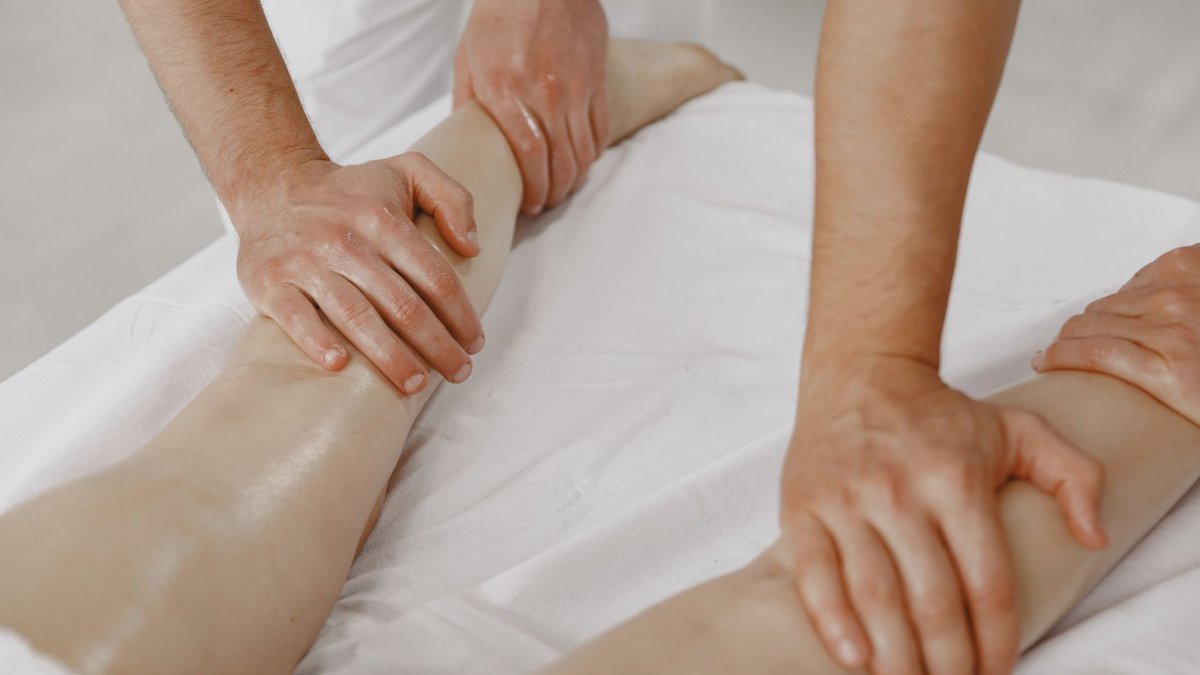
The key to a good compression session is the way pressure moves through the sleeve. Devices with several separate air chambers can inflate in sequence, creating a wave-like motion rather than a single, uniform squeeze. This sequential pattern feels similar to the hands-on technique a massage therapist might use when working along a muscle.
A device with more chambers can divide the leg into smaller zones. That allows the pressure to travel more gradually and evenly, which many users find more comfortable. Most units also offer adjustable intensity levels and timers, so a session can be gentle and soothing or firmer and more focused, depending on personal preference.
Potential Benefits for Post-Workout Relaxation
Everyone’s body responds differently, and compression massage is not a medical treatment. However, many athletes and active people use it because of the following potential benefits.
1. A Sense of Lighter, Less Heavy Legs
One of the most common reasons people try leg compression is the feeling of “heavy legs” after exercise or long periods of standing. The rhythmic pressure can leave legs feeling lighter and more refreshed, which makes it easier to unwind in the evening.
2. Support for Muscle Relaxation
Tight calves and hamstrings are a familiar complaint after training. The gentle, repeated squeezing of a compression session can help muscles relax and may reduce the sensation of stiffness. Many users like to combine a session with light stretching to round out their cool-down.
3. Encouraging Circulation
Compression is often associated with supporting healthy blood flow in the legs. The sequential inflation is designed to move from the feet upward, which is why people commonly describe the experience as refreshing. While research on recovery outcomes continues, the comfort and relaxation benefits are what keep many people coming back.
4. A Calm, Low-Effort Recovery Ritual
Recovery is not only physical. Taking 20 to 30 minutes to sit down, put your feet up, and let a device do the work can be a calming part of your routine. It encourages you to slow down, rehydrate, and let your heart rate settle after an intense session.
5. Convenience at Home
Professional sports massage is valuable, but it is not always affordable or easy to schedule. A home compression device is available whenever you need it, whether that is after a morning run or late at night after work.
Choosing a Leg Compression Device
When comparing devices, it helps to look beyond appearance and focus on features that affect comfort and usefulness.
- Number of air chambers: More chambers can create a smoother, more targeted wave of pressure along the leg.
- Adjustable pressure levels: Being able to choose a gentle or firmer setting makes the device suitable for different days and different users.
- Multiple modes: Different inflation patterns allow you to change the feel of the massage.
- Sleeve coverage and fit: Sleeves that cover the feet, calves, and thighs offer more complete coverage. Adjustable straps help them fit a range of leg sizes.
- Ease of use: Clear controls, a timer, and a lightweight design make the device more likely to become part of your daily routine.
For example, the MZCNU Leg Massager range is designed with these factors in mind. The brand’s 10 Air-Chamber Leg Massager is a full-leg compression massager that uses ten separate chambers to deliver a gradual, wave-like compression from the feet up through the thighs, with adjustable intensity levels so users can tailor each session to how their legs feel after training.
How to Use Compression Massage After a Workout
To get the most out of a session, a simple routine works well:
- Cool down first. Finish your workout with five to ten minutes of easy movement and light stretching.
- Rehydrate. Drink water before you sit down so you are not tempted to get up mid-session.
- Start gently. Begin with a lower pressure level and increase it only if it feels comfortable.
- Keep sessions moderate. Around 20 to 30 minutes is a common choice for relaxation.
- Elevate and relax. Sit or lie down with your legs supported and use the time to rest.
Who Should Take Extra Care?
Compression massage is generally used by healthy adults for comfort and relaxation. However, anyone with circulation problems, a history of blood clots, diabetes-related nerve issues, open wounds, recent surgery, or who is pregnant should speak with a doctor before using a compression device. If you feel pain, numbness, or tingling during a session, stop and reduce the intensity or end the session.
Making Recovery a Habit
The best recovery routine is the one you actually follow. Good sleep, proper nutrition, hydration, and sensible training loads remain the foundation of feeling good after exercise. Leg compression massage can sit on top of that foundation as a comfortable, convenient way to unwind and give tired legs some attention.
If you regularly finish workouts with heavy, tight legs, a quality air-chamber device may be worth considering. Used thoughtfully, it can turn the end of a hard session into a relaxing ritual that helps you feel ready for whatever your training plan brings next.
- How Leg Compression Massage Supports Post-Workout Relaxation
- International logistics for fertility programmes – ARK.CRYO
- The Growing Market for Nootropic Pouches: Ingredients, Innovation and Consumer Trends
- Smart Charger Installation for a New Electric Vehicle
- The Role of Sports Medicine in Injury Prevention for Athletes