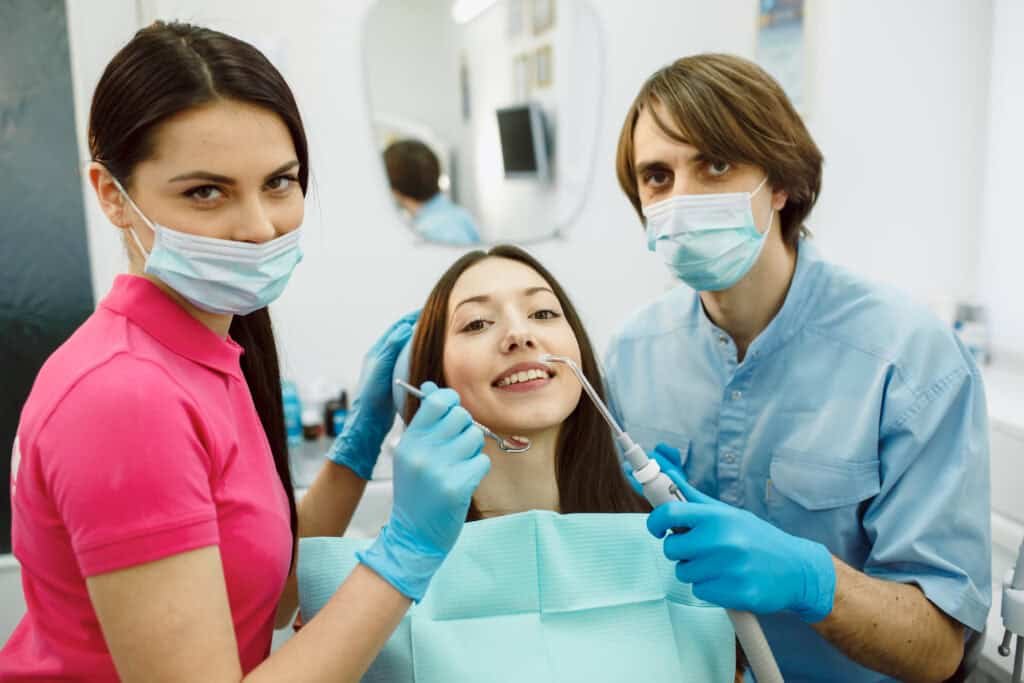
A fall, a sports collision, or a sudden infection may cause pain, bleeding, or visible damage that calls for prompt attention from a dental professional. Emergency dentistry focuses on these urgent situations, and it provides care outside the structure of routine checkups and cleanings. Being able to identify an emergency can help you respond appropriately, allowing you to seek care at the right time.
What Is Emergency Dentistry?
Emergency dentistry is an area of dental care; it is devoted to evaluating and managing oral health problems that need attention without delay. Dentists who offer emergency services may provide same-day appointments. The primary goals of emergency dental care are to relieve discomfort, control bleeding, address signs of infection, and stabilize damaged teeth or restorations. Once the immediate concern is under control, the dentist may recommend follow-up visits to complete treatment.
Not every dental concern requires emergency care. A small chip with no pain may wait for a regular visit, but severe pain, heavy bleeding, or a tooth that has been knocked out generally calls for prompt evaluation. If you are unsure, contacting a dental office directly can help you determine how quickly you should be seen.
What Does It Treat?
Emergency dentists evaluate a wide range of urgent oral health concerns. Each situation is different, and the dentist will examine the affected area to recommend an appropriate course of care. There are many situations that require prompt attention, including:
- Severe Toothaches: Persistent or intense tooth pain may indicate decay, infection, or damage to the inner portion of the tooth.
- Chipped, Cracked, or Broken teeth: Injuries or biting down on hard objects can fracture a tooth, sometimes exposing sensitive inner layers.
- Knocked-out Teeth: A tooth that has been fully dislodged from its socket requires prompt attention, as timing may affect the available treatment options.
- Loose or Displaced Teeth: Trauma can shift a tooth out of its normal position without removing it completely.
- Lost Fillings or Crowns: When a restoration falls out, the underlying tooth may become sensitive or vulnerable to further damage.
- Swollen Face: Swelling in the gums or jaw is a sign of infection and should be evaluated by a dental professional.
Cuts or tears to the lips, cheeks, tongue, or gums can result in bleeding that is difficult to control, warranting prompt attention even if the damage doesn’t affect your teeth.
What Should You Do?
Your actions after a dental emergency may influence the care you receive. Call a dentist as soon as possible, and describe your symptoms clearly. The dental team can advise you on whether to come in immediately and how to manage the situation until your visit. While you wait for care, dental professionals commonly recommend the following measures:
- Rinse gently with warm water to clean the area.
- Apply light pressure with clean gauze to areas that are bleeding.
- Handle a knocked-out tooth by the crown, not the root; rinse it briefly if it is dirty, and keep it moist in milk or saliva until you reach the dentist.
- Save any broken pieces of a tooth or restoration and bring them to your appointment.
Avoid placing aspirin or other medications directly on the gums, and avoid chewing on the affected side.
Seek Immediate Dental Care
Preparation can make an unexpected dental situation easier to manage; saving the phone number of a dental office that offers emergency services allows you to reach help quickly. Regular dental visits also allow a dentist to identify weakened teeth or worn restorations before they become urgent problems. If you are currently experiencing dental pain, swelling, or injury, contact a dental office today to arrange an evaluation.
- What to Look for in Emergency Dentistry Services
- Choosing a Heart Blockage Treatment Hospital: Emergency Care, Procedures and Long-Term Support
- Exploring the Benefits of Family Dentistry for All Ages
- The Role of TMS Therapy in Managing Anxiety Disorders
- The Role of Foot and Ankle Specialists in Sports Injury Recovery