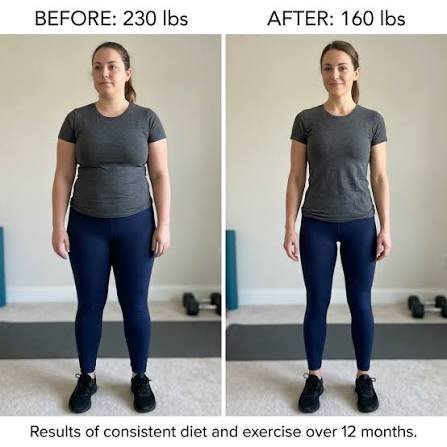
Weight loss programs offer structured approaches to helping individuals achieve and maintain a healthy weight through dietary changes and lifestyle adjustments. Understanding the different types of programs can help individuals choose an approach that aligns with their health needs, preferences, and long-term goals. Here are some common programs and what they offer:
Benefits of Physician Guidance
Physician-guided weight loss programs place a licensed medical provider at the center of your plan. Before recommending an approach, the provider reviews your health history, current medications, and lab results. This process replaces guesswork with a structured approach, and it allows adjustments as your needs change. The main benefits include:
- Personalized assessment: The provider evaluates factors such as age, medical history, and daily habits.
- Ongoing monitoring: Regular check-ins track progress and show when the plan needs changes.
- Prescription access: Qualified patients receive prescription medication options not available over the counter.
- Accountability: Scheduled visits create a consistent routine that keeps your goals in focus.
- Coordinated care: The provider communicates with other specialists when your health needs require it.
Appetite Suppression Programs
Appetite suppression programs use prescription medications that aim to reduce hunger and food cravings. A provider prescribes these medications after reviewing your health profile and sets the dose and length of treatment. When hunger is more manageable, patients may find it easier to follow a reduced-calorie meal plan. Providers typically prescribe medications for short-term use. During treatment, your provider monitors blood pressure, heart rate, and other factors; they also adjust the plan if side effects appear. Programs may pair appetite suppressants with nutrition and activity changes rather than using them alone.
Medication Programs
GLP-1 medications are prescription drugs that act like a hormone the body releases after eating. This hormone affects appetite and digestion. GLP-1 weight loss programs are typically combined with nutrition guidance and regular follow-up visits.
How Do GLP-1 Programs Work?
Most GLP-1 medications come as a weekly injection, while some are available as a tablet. The provider starts with a low dose and gradually increases it over several weeks. This step-by-step approach gives the provider time to see how your body responds. Follow-up visits track progress and side effects, and the provider adjusts the dose when needed.
Who Is a Suitable Candidate?
Providers often discuss GLP-1 options with adults who have a higher body mass index or weight-related health concerns. Body mass index, or BMI, compares weight to height. If you have a personal or family history of certain thyroid conditions, your provider will review whether this option is appropriate.
Supervision and Lifestyle Changes
Medical supervision adds safety and structure to any weight loss plan. Prescription medications have possible side effects, so regular check-ins allow providers to detect concerns early. When a plan stops producing results, the provider reviews your progress and adjusts the approach.
Programs often treat medication as one tool among several; lifestyle changes are the plan’s foundation. Your care team helps you build habits around balanced meals, regular physical activity, and adequate sleep. These habits stay in your routine after the medication phase ends, which makes them a fundamental part of long-term weight management.
Explore Personalized Weight Loss Programs
Medication is a key component of a comprehensive weight management strategy, with sustainable lifestyle habits forming the core of long-term success. These programs emphasize tracking food intake and activity as valuable tools for informed decision-making with your care team. These steps are tailored to your needs, making sure the approach aligns with your health goals and preferences. To explore available weight loss programs, contact a qualified healthcare provider to schedule your appointment today.