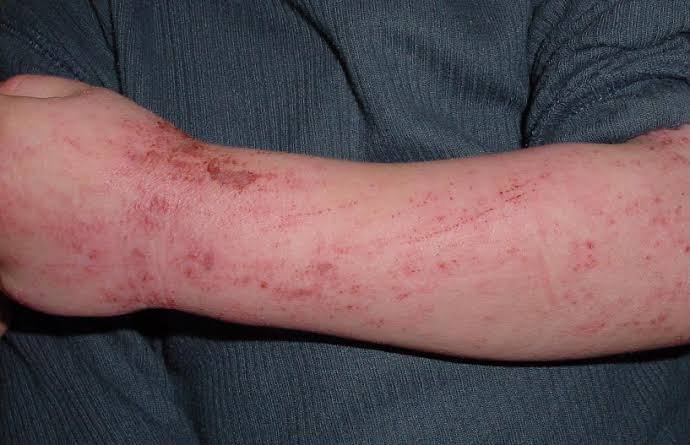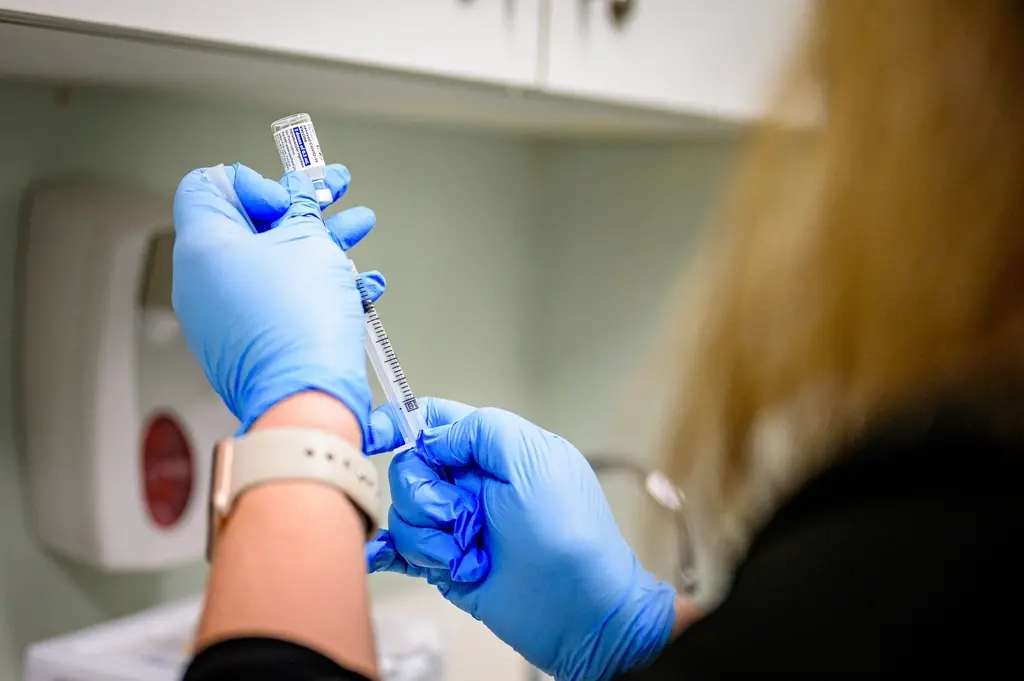
Allergy shots offer a structured approach to reducing sensitivity to specific allergens, which helps patients manage their allergic reactions more effectively. Patients who understand the process are better equipped to follow the recommended schedule, and adherence may improve. Here is more information on what allergy shots are and how they work:
What Are Allergy Shots?
Allergy shots, which are also known as allergen immunotherapy, are injections that contain small amounts of the substances that trigger allergic reactions. Common allergens include pollen, pet dander, dust mites, and mold spores. The immune system adapts to controlled exposure, and symptoms may gradually lessen. Doctors may recommend allergy shots for people with seasonal allergies, year-round allergies, or asthma linked to specific triggers.
How Do They Work?
Allergy shots work by introducing small, controlled amounts of allergens into the body. The immune system responds to these repeated exposures by building tolerance, and this tolerance can reduce the severity of allergic reactions. Because the process is gradual, patients may notice improvement only after several months of consistent treatment.
The underlying mechanism relies on repeated, measured exposure rather than avoidance. Immunotherapy does not simply mask symptoms; it changes how the immune system reacts to allergens over the long term. Full treatment courses last years, depending on the patient’s response and their allergist’s recommendations. Some patients may continue to experience reduced symptoms even after they stop receiving injections, though the degree of lasting relief varies from person to person.
What Does an Appointment Involve?
A typical allergy shot appointment follows a consistent structure. Patients receive their injection from a healthcare professional, and then they wait in the office for an observation period. Because allergic reactions can develop after an injection, clinics require a 30-minute wait to monitor each patient. This waiting period allows staff to respond quickly if a reaction develops.
During the appointment, staff review the patient’s recent symptoms, medication use, and any reactions from previous injections. Staff may also adjust the dosage based on how the patient responded last time. Nurses may record vital signs before and after the injection as part of standard monitoring. These records help the allergist track progress, and they also inform dosage decisions when the patient returns for future visits.
How Can Patients Prepare?
Key steps to follow before and during each visit include:
- Arriving on time to avoid disrupting the treatment schedule
- Avoiding strenuous exercise to reduce the risk of a reaction
- Staying hydrated to minimize the likelihood of lightheadedness
Consistent preparation at each appointment supports the treatment plan’s effectiveness and helps the allergist make informed dosage decisions.
Prepare for Your Appointment Now
Allergy shots follow a structured, long-term process designed to reduce sensitivity to specific allergens through repeated, controlled exposure. Understanding the buildup and maintenance phases, along with what happens during each appointment, helps patients stay consistent with their treatment plan. Preparation matters; arriving on time, communicating past reactions, and following basic guidelines around exercise and medication can make each visit more straightforward. If you are preparing for an allergy shot appointment, talk with your allergist about any questions regarding your specific dosage schedule or reaction history. Consistent communication with your care team supports better outcomes throughout treatment.
- How To Prepare for Your Joint Injection Appointment
- Benefits of Using Invisalign Over Braces
- Why Medical AI Needs Diverse, Ethically Sourced Medical Imaging Data (and How to Get It)
- Sewer Backup Cleanup Companies: A Homeowner’s Guide for Emergencies
- The Role of Family Dentistry in Maintaining Oral Health